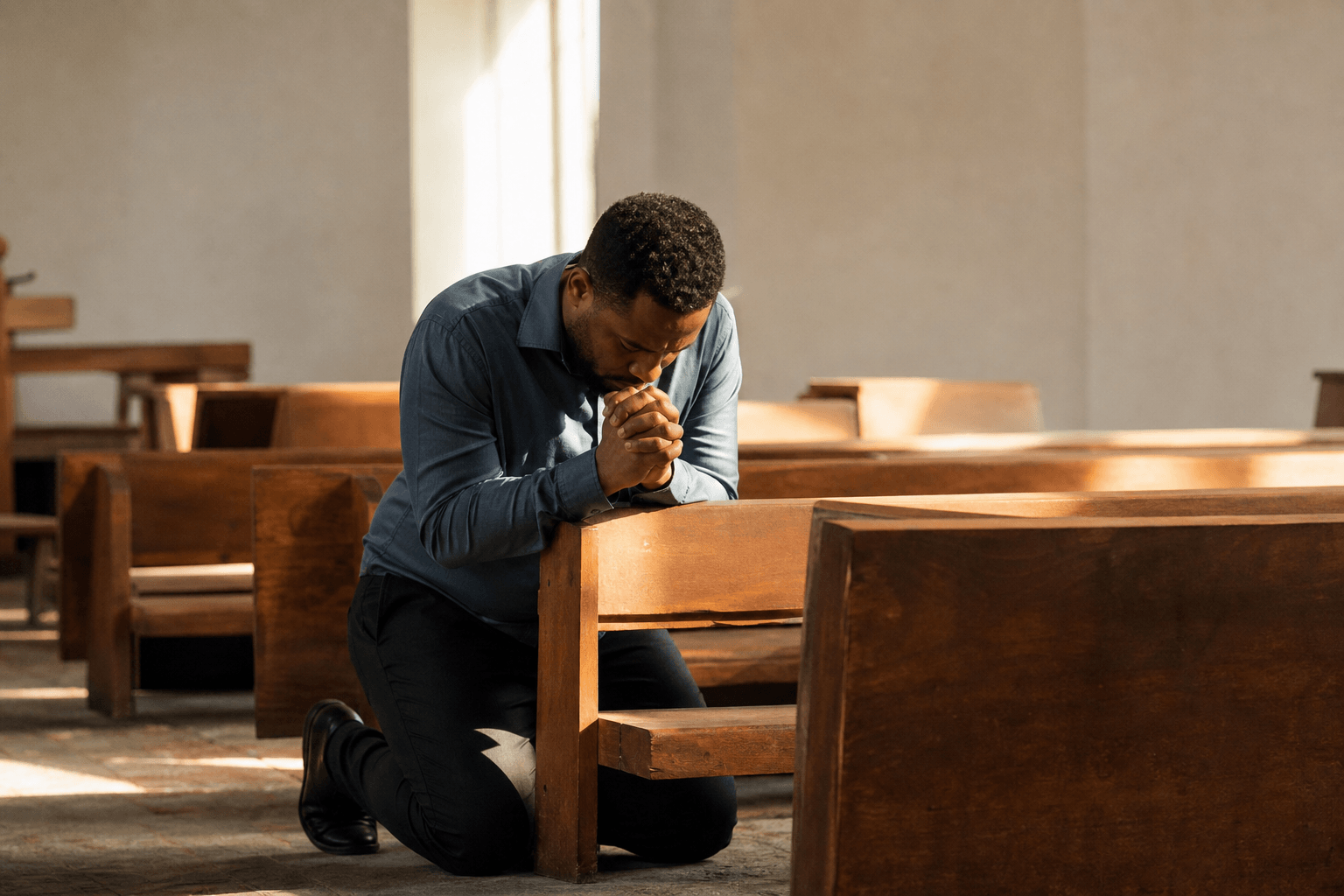
Health anxiety can leave people feeling overwhelmed and distant from their faith. Integrating short, regular prayers and scripture into daily life is a practical way to regain calm and perspective. This article summarizes faith-based coping techniques, clear benefits, and simple steps to strengthen spiritual resilience through prayer.
Techniques for Building Faith-Based Coping Habits

Make spiritual practices small, consistent, and tied to daily rhythms so they become reliable supports during anxious moments.
- Daily Scripture Reading: Short passages or a verse a day for comfort and grounding.
- Consistent Prayer Routine: Brief, scheduled prayers to build stability and connection.
- Community Engagement: Regular contact with a faith group for encouragement and accountability.
Benefits of Faith-Based Practices
Faith practices can reduce stress and strengthen emotional resources. Key benefits include:
- Reduction of Anxiety: Prayer and meditation often lower arousal and promote calm.
- Enhanced Emotional Resilience: Faith offers meaning and coping frameworks for difficult situations.
- Sense of Community: Shared practices create support networks that reduce isolation.
MetaVibe operates faithtime.ai, a platform that helps young Christians build these habits through short practices and community features.
The Role of Prayer in Managing Anxiety
Prayer gives a structured way to name fears, ask for help, and reframe worries. It can make anxiety feel less isolating by connecting the person to God and to others.
Regular prayer also supports emotional regulation: naming emotions, releasing tension, and reinforcing hope.
How Can Prayer Help Manage Health Anxiety? Exploring Faith and Mental Health
Prayer often promotes a felt connection to a higher power, which many people describe as calming. It can reduce rumination by redirecting attention and allowing emotional release.
Further studies reinforce the efficacy of prayer in managing mental health.
Prayer practices also encourage present-focused awareness, reducing worry about future health scenarios and promoting a quieter mind.
What Does Scripture Say About Anxiety and Peace? Key Bible Verses for Comfort
Several verses are commonly used for comfort and focus:
- Philippians 4:6-7: Bring requests to God; receive peace.
- Matthew 6:34: Trust God about tomorrow; live in the present.
- 1 Peter 5:7: Cast anxieties on God because he cares.
How Does Prayer Influence Emotional Resilience? Spiritual Coping Mechanisms Explained
Prayer supports resilience by creating space for reflection, strengthening trust, and connecting people with supportive communities.
- Increased Self-Awareness: Prayer helps identify and name emotions.
- Strengthened Faith: Regular practice reinforces trust amid uncertainty.
- Community Support: Shared prayer builds mutual encouragement.
Such practices are useful building blocks for inner strength against anxiety.
What Are Effective Daily Prayer Routines to Overcome Health Fears?
Simple, repeatable routines are most effective. Examples:
- Morning Prayer for Strength: One short prayer to begin the day.
- Midday Breath Prayer: A brief breathing prayer to reset focus.
- Evening Gratitude Prayer: Thankfulness to close the day and calm the mind.
How to Establish Consistent Prayer Habits for Anxiety Relief
Make prayer a habit by attaching it to existing routines and tracking progress.
- Set Specific Times: Short, scheduled moments work best.
- Use Habit Stacking: Pair prayer with daily activities (meals, hygiene).
- Track Progress: A simple journal keeps practice visible and motivating.
Which Christian Meditation Techniques Complement Prayer for Mental Calm?
Combine short meditative practices with prayer to deepen calm.
- Breath Prayers: Sync a short phrase with inhalation and exhalation.
- Scripture Meditation: Slowly repeat a comforting verse.
- Quiet Reflection: Sit in silence and listen for guidance.
Where Can Young Christians Find Community Support for Health Anxiety?
Look for supportive communities both locally and online:
- Local Churches: Support groups and prayer meetings.
- Online Forums: Safe spaces to share and receive advice.
- Faithtime App: Tools and community features for daily practice.
How Do Faith-Based Anxiety Support Groups Foster Healing and Encouragement?
Groups provide practical and emotional benefits:
- Community Engagement: Mutual learning and belonging.
- Shared Prayer: Collective support through prayer.
- Accountability: Encouragement to maintain healthy routines.
What Role Does Sharing Personal Testimonies Play in Spiritual Growth?
Testimonies encourage and normalize the journey of coping with anxiety:
- Inspire Hope: Real stories of faith and recovery.
- Reduce Isolation: Shared experience builds connection.
- Encourage Practice: Hearing others motivates consistent habits.
What Practical Steps Can Strengthen Faith While Facing Health Anxiety?
Practical, repeatable steps anchor faith during anxious periods:
- Daily Scripture Reading: Short passages for guidance.
- Consistent Prayer Routine: Brief, regular prayers.
- Gratitude Journaling: Note small daily blessings to shift focus.
How to Integrate Bible Lessons and Devotionals Into Daily Spiritual Practice
Use short, focused practices to make learning part of daily life:
- Daily Scripture: Small, regular readings.
- Morning Affirmations: Brief truths to start the day.
- Group Study: Occasional discussions to apply lessons.
Which Resources Support Building Faith Habits for Anxiety Management?
Accessible resources can keep practice consistent:
- Faithtime App: Guided practices and reminders.
- Community Groups: Local or digital support.
- Guided Prayers: Short audio or text guides to follow.
Frequently Asked Questions
How can I incorporate prayer into my daily routine effectively?
Choose specific, short times (morning, lunch, evening), pair prayer with an existing habit, and keep a simple journal to track consistency.
What are some common misconceptions about prayer and mental health?
Prayer is a helpful tool but is most effective alongside professional care, community support, and self-care. Short, heartfelt prayers are often sufficient.
Can prayer be combined with other mental health practices?
Yes. Mindfulness, breath work, and cognitive strategies complement prayer by improving emotional regulation and focus.
How can I find a supportive faith community for health anxiety?
Explore local churches, online forums, and apps like Faithtime to find groups and resources focused on mental health and spiritual growth.
What role does gratitude play in managing health anxiety?
Regular gratitude practice shifts attention from worry to appreciation, boosting resilience and strengthening faith in difficult times.
Are there specific Bible verses that can help with anxiety?
Verses such as Philippians 4:6-7, Matthew 6:34, and 1 Peter 5:7 are often used to find comfort and perspective.
If you want gentle support as you build healthier spiritual coping habits, a Christian devotional app can help you stay consistent with prayer, Scripture, and reflection during anxious seasons. For deeper encouragement, you can explore Bible glossary to better understand faith-based terms that often appear in spiritual care conversations, daily devotionals for regular Bible reading and prayer routines, mental health verses for comforting Scriptures about peace and healing, and Bible meditation guide for practical ways to quiet anxious thoughts through God’s Word. Want a more interactive spiritual experience? Download FaithTime on the App Store or Google Play and continue growing through prayer, guided reflection, and Christian community.