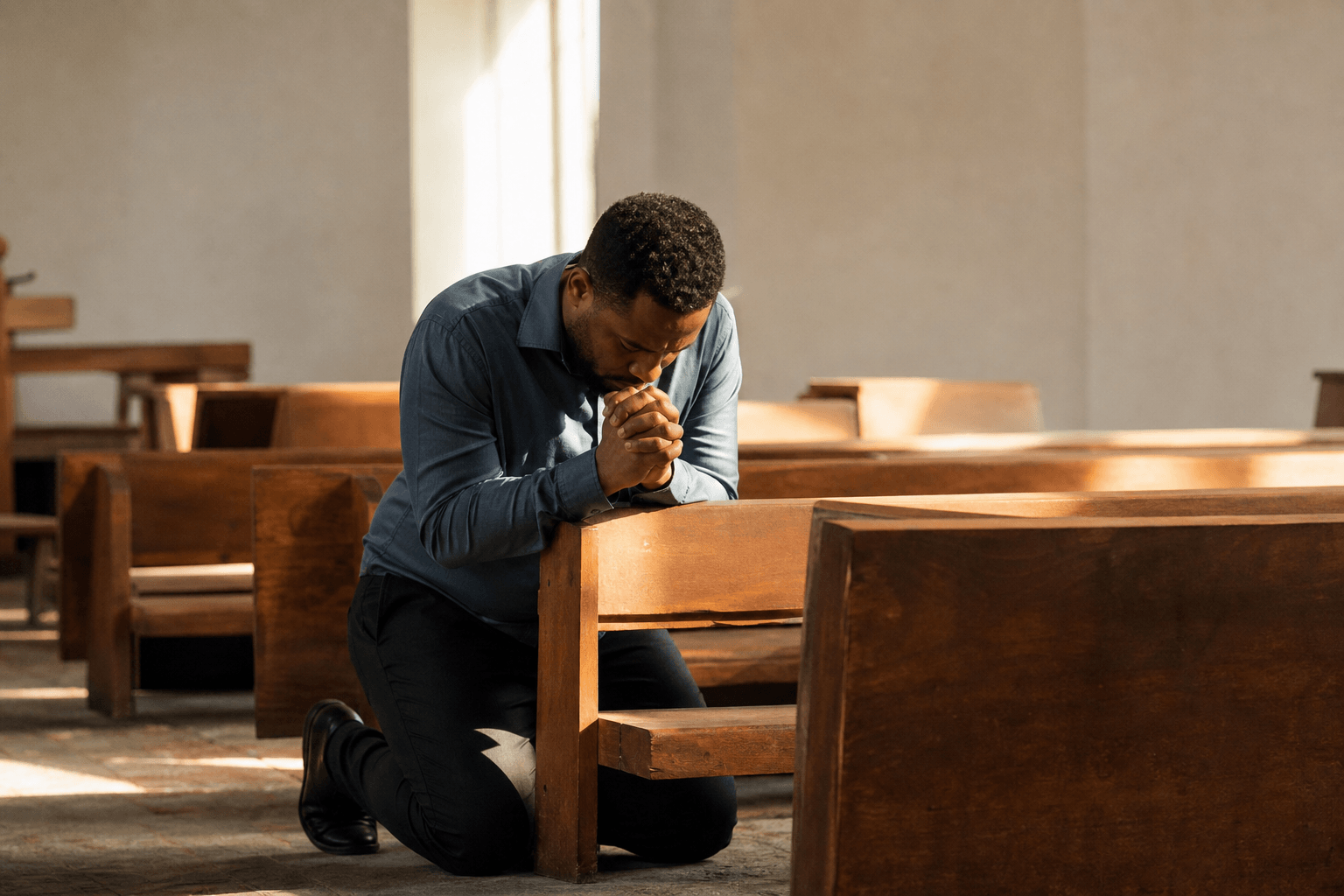
Salvation is a personal, transformative journey that restores a relationship with God through Jesus Christ. This article outlines clear, practical steps—faith, repentance, and community—that help you understand and begin that journey. If you feel uncertain about how to proceed, these concise explanations and next steps are designed to bring clarity and encouragement.
What Is Salvation and Why Is It Important?
In Christianity, salvation means being rescued from sin and its consequences and restored to fellowship with God. It offers spiritual renewal and the hope of eternal life. For practical study tools and guided lessons, explore resources such as bible lessons to help apply Scripture to daily life.
Understanding Salvation as Spiritual Deliverance
Salvation is often called spiritual deliverance: freedom from sin’s control and the start of a new life in Christ. Biblical teaching emphasizes forgiveness and redemption through faith. Many personal testimonies show how faith changes priorities and restores hope. To learn more about resources and study tools, visit the Faithtime AI platform.
How Jesus Christ Offers Salvation to All
Jesus’ death and resurrection provide the way back to God for anyone who believes. Accepting that gift requires admitting the need for forgiveness and trusting Jesus as Savior. Salvation begins with that trust and continues as a growing relationship expressed in obedience and spiritual growth.
What Are the Essential Steps to Salvation?
Essential steps include recognizing sin, repenting, trusting Christ, and committing to follow Him. These are not just a one-time ritual but the start of a life reshaped by grace.
How to Accept Jesus: Faith and Repentance Explained
Acknowledge your sin and your need for a Savior. Repentance means turning away from sin and toward God. Faith is trusting Jesus’ death and resurrection as the payment for sin. Together, repentance and faith begin the believer’s relationship with Christ.
For a deeper dive into the relationship between repentance and salvation, consider the following perspective.
What Is the Salvation Prayer and How to Pray It
The salvation prayer is a short, sincere confession that acknowledges sin, asks for forgiveness, and invites Jesus to be Lord. A simple example: “Dear Jesus, I know I am a sinner. I ask for Your forgiveness. I believe You died for my sins and rose from the dead. I trust and follow You as my Lord and Savior.” Saying this in faith marks the start of a new life in Christ.
How Can You Recognize the Signs of Being Saved?
Signs of genuine salvation include changed desires, a growing love for God and others, and a commitment to spiritual growth. These reflect the Holy Spirit working in a person’s life.
What Changes in Your Life Show True Salvation?
True salvation shows itself in a renewed heart and purpose: more desire to obey God, greater love for people, and a consistent pursuit of spiritual maturity. Behavior changes over time as faith deepens.
How Daily Spiritual Practices Support Your Faith Growth
Daily habits—prayer, Scripture reading, and reflection—anchor faith. They deepen understanding of God’s word and strengthen personal devotion. For reading plans and order suggestions, see the best order to read the Bible.
How Daily Faith Tools Support Salvation
For a long time, I treated salvation as a one-time moment instead of a daily walk with Jesus. I believed in Christ and prayed the “salvation prayer,” but my faith felt fragile and easily drowned out by distraction and doubt. Most days, I would start with good intentions—reading a verse here and there, whispering a quick prayer when I felt guilty—but nothing felt consistent or rooted. I knew I was saved by grace, yet I struggled to live like someone who had truly been made new. That tension finally pushed me to look for simple ways to stay connected to God throughout the day, not just on Sundays.
In that search, tools like the FaithTime app quietly reshaped my habits. Instead of scrolling mindlessly, I began opening the app to reflect on a short verse, track a small faith habit, or read a prayer shared by another believer. The reminders felt gentle rather than demanding—just enough to pull my attention back to Christ when my mind wandered. Over time, those small check-ins helped me see that salvation is not only about being rescued once, but about walking with Jesus daily: confessing sin, receiving grace, and growing in love for God and others. The change wasn’t dramatic overnight, but it was steady; my heart became softer toward God, Scripture felt less distant, and I began to experience the quiet assurance that I truly belonged to Him.
How Does Joining a Christian Community Help Sustain Salvation?
Community is vital: it encourages, corrects, and provides accountability and service opportunities that keep faith active and growing.
Why Community Support Strengthens Your Spiritual Journey
Belonging to a church or small group offers prayer, counsel, and shared spiritual care. Fellowship motivates perseverance and practical growth in faith.
How to Build Consistent Faith Habits with Others
Consistent habits form more easily in community. Try these practical steps:
- Daily Scripture Reading: Read and discuss passages together to apply God’s word.
- Reflective Prayer: Reserve time for group prayer and mutual support.
- Community Involvement: Serve together to live out faith and strengthen bonds.
These simple practices build spiritual rhythm and shared growth.
Frequently Asked Questions
What is the role of faith in the process of salvation?
Faith is central: it is trusting Christ as Savior and relying on His death and resurrection for forgiveness. Faith opens the heart to God’s grace and starts the process of spiritual renewal and lifelong growth.
Can someone lose their salvation once they are saved?
Views differ across Christian traditions. Some teach “eternal security” (true salvation is permanent), while others warn that turning away from faith can forfeit salvation. Regardless of the view, Scripture calls believers to remain faithful and obedient.
How can I help others understand the concept of salvation?
Explain sin, repentance, and Jesus’ grace using clear examples and personal testimony. Share Scripture, answer questions gently, and point people to trusted resources and communities for further growth.
What is the significance of baptism in relation to salvation?
Baptism publicly declares the inward change from faith: it symbolizes cleansing, identification with Christ’s death and resurrection, and obedience. While baptism follows faith, it’s an important visible sign of the new life believers have in Christ.
How can I maintain my faith during difficult times?
Keep spiritual disciplines, stay connected to community, and share struggles with trusted friends or mentors. Remembering past faithfulness and praying for strength helps maintain trust in God through trials.
What are some common misconceptions about salvation?
Common errors include thinking salvation is earned by good works or reserved for a few. Christianity teaches salvation is a gift of grace received by faith and that genuine salvation produces a transformed life aligned with God’s will.
As you continue learning what it means to receive salvation through Jesus, you may also find it helpful to explore more on Bible Lessons and Bible Verses for deeper study, along with related reads like What Is Salvation? and What Is the Gospel? that naturally expand on faith, repentance, and eternal life. For ongoing encouragement in your daily walk with Christ, the faith app can help you stay rooted in prayer and Scripture, and if you want a more interactive spiritual routine, download FaithTime on the App Store or Google Play to connect through devotionals, prayer, and Christian community.