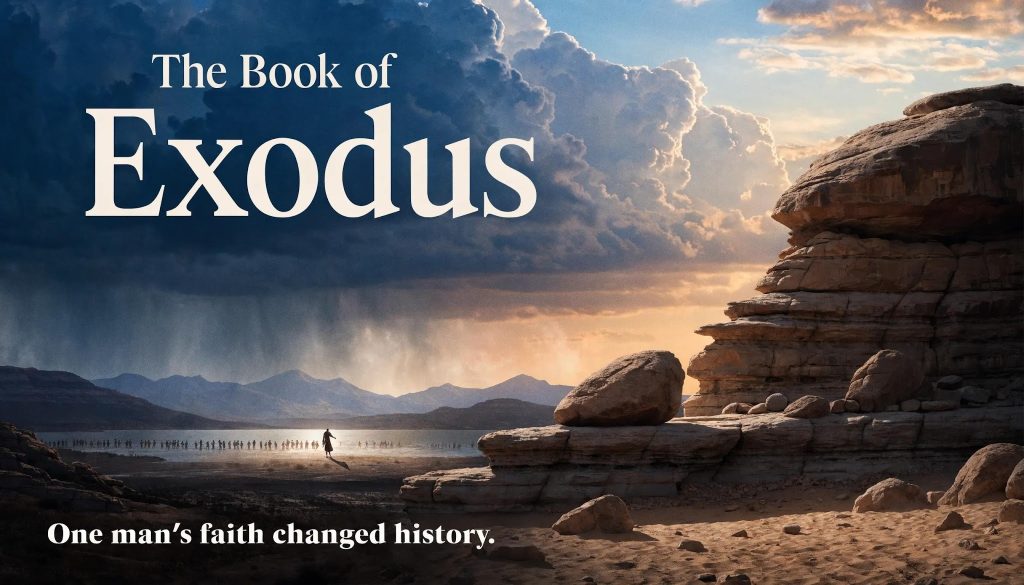
The Book of Exodus tells the story of Israel’s liberation from Egypt and the formation of a people bound by covenant with God. It explores themes of deliverance, law, identity, and faith, offering lessons that continue to shape spiritual life and community practice. This overview highlights Exodus’s significance, major themes, Moses’ leadership, and practical ways the text inspires faith today.
What Is the Book of Exodus and Its Importance in the Bible?
Exodus, the Bible’s second book, records Israel’s rescue from slavery and the giving of God’s law. As a foundational narrative it frames Israel’s identity as God’s chosen people and introduces the Mosaic Covenant, which shapes ethical and communal life through law and promise.
Who Was Moses and What Role Did He Play in Exodus?
Moses is the central leader in Exodus: chosen by God at the burning bush, he confronts Pharaoh, leads the people out of Egypt, and receives the Ten Commandments on Mount Sinai. His role establishes the covenantal and legal framework that guides Israel’s life.
What Are the Important Events That Shape the Exodus Story?
Key episodes—plagues and Passover, the Red Sea crossing, and provision in the wilderness—underscore God’s power, care, and the call to trust. These events mark the transition from slavery to nationhood and model reliance on divine provision amid hardship.
What Are the Central Themes in the Book of Exodus?
Exodus presents major themes that shape Israel’s faith and practice.
| Theme | Explanation | Key Verses |
| Liberation | The ultimate deliverance of the Israelites from slavery to freedom | Exodus 3:8; 14:30 |
| Covenant | God’s establishment of a special relationship with His people | Exodus 19:5; 24:7 |
| Faithfulness | The requirement of faithfulness and obedience to God’s commands | Exodus 20:1-17; 34:27-28 |
| Identity | The formation of Israel’s identity as God’s chosen people | Exodus 6:7; 19:6 |
How Does Exodus Illustrate Liberation and Faith in God?
Exodus links physical deliverance with spiritual trust: moments like the Red Sea crossing call for faith in God’s power, while ongoing wilderness challenges reveal how reliance on God develops within a community under divine care.
What Does the Covenant Teach About God’s Relationship With His People?
The covenant frames a mutual commitment: God promises presence and protection, while the people are called to faithfulness expressed through law and worship. The Ten Commandments and other laws provide the moral and social structure for a just community.
Which Key Lessons Can Christians Learn From Moses’ Leadership?
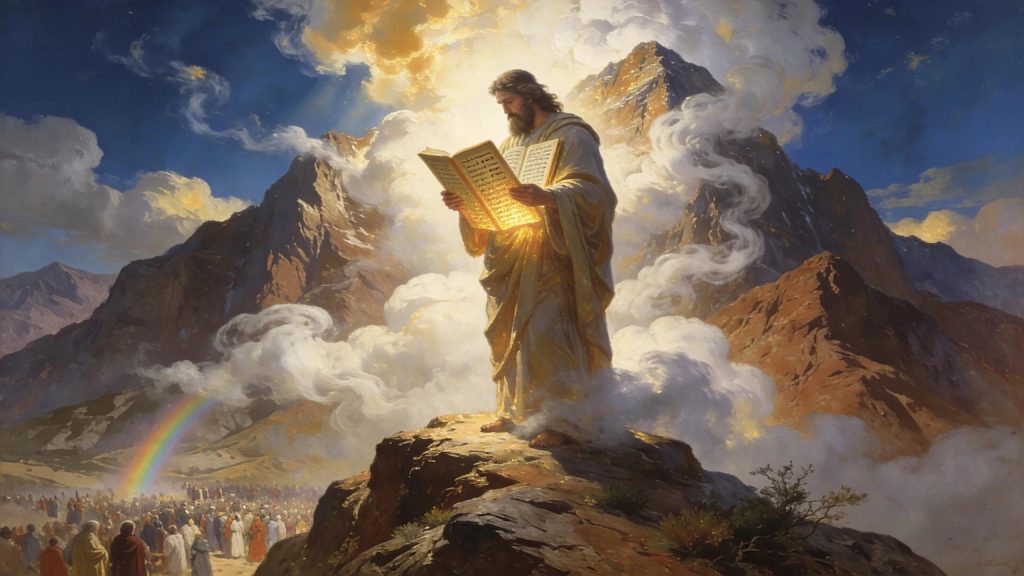
Moses models persistence, dependence on God, and servant leadership. He demonstrates courage in confronting injustice, patience in guiding a people, and a commitment to moral integrity grounded in God’s commands.
How Does Moses Model Leadership and Faith for Believers Today?
Moses’ example encourages leaders to seek guidance in prayer, advocate for justice, and lead with humility and courage—prioritizing the welfare of the community over personal gain.
What Are the Moral Guidelines Given Through the Ten Commandments?
The Ten Commandments set ethical boundaries for life with God and neighbor: they foster respect for God, family, and community and provide a concise framework for moral behavior that supports social stability and personal integrity.
How Can the Book of Exodus Inspire Daily Faith and Community Life?
Exodus offers practical inspiration for worship, ethics, and communal action, calling individuals and congregations to remember liberation, practice faithfulness, and care for the vulnerable.
What Interactive Ways Encourage Engaging With Exodus Today?
Engaging with Exodus today can be practical and communal:
- Daily Reading Plans: Structure Bible study sessions that follow Exodus passages and reflect on themes of deliverance and law.
- Group Discussions: Form study groups to examine Moses’ leadership and the covenant’s implications for justice and community life.
- Community Service: Organize service projects inspired by the call to liberation and care for the marginalized.
These activities help translate Exodus’s teachings into ongoing spiritual formation and collective action.
Frequently Asked Questions
What are some significant symbols used in the Book of Exodus?
Exodus uses vivid symbols—the burning bush for God’s presence and call, the plagues as judgment against oppression, and the Red Sea as salvation—to communicate themes of divine intervention, holiness, and liberation.
How do the themes of Exodus relate to modern social justice movements?
The story’s focus on liberation and justice resonates with contemporary efforts to confront oppression. Exodus encourages advocacy for the marginalized and the pursuit of social structures that reflect covenantal justice.
What lessons can be drawn from the Israelites’ journey in the wilderness?
The wilderness journey teaches trust in provision, patience through trials, and the role of community accountability in spiritual growth. It illustrates that formation often happens through hardship and dependence on God.
How is the theme of obedience portrayed in Exodus?
Obedience in Exodus is tied to covenant faithfulness: following God’s commands produces communal blessing and moral order, while disobedience brings disruption and consequences.
Why is the concept of community emphasized in the Book of Exodus?
Exodus presents Israel as a corporate identity formed by shared memory, law, and worship; community is essential for maintaining identity, justice, and mutual support.
How does Exodus influence Christian worship practices?
Exodus shapes worship through commemorations like Passover and themes that inform Communion, liturgy, and teaching—reminding worshipers of liberation, sacrifice, and God’s sustaining presence.
To continue exploring the meaning of Exodus, readers can deepen their study through these Bible lessons, reflect on key terms in the Christian glossary, learn more about Moses in Did Moses Go to Heaven?, and revisit God’s law through 12 Commandments Explained. For ongoing Scripture reflection and a more consistent habit of prayer and study, the devotional app can also support your daily walk with God.