
Easter marks Jesus Christ’s resurrection and stands at the heart of Christian hope and renewal. This article highlights core resurrection scriptures, practical lessons for spiritual growth, and ways to use these verses in daily devotion and community prayer. Use the passages below to deepen reflection, shape faith habits, and strengthen fellowship through community prayer and devotionals.
What Are the Most Meaningful Resurrection Bible Verses for Easter?

The resurrection is foundational to Christian belief. Key passages to read and meditate on include:
- Matthew 28:5-6 — The angel announces that Jesus has risen; a short, powerful affirmation of the empty tomb.
- John 11:25-26 — Jesus declares, in essence, that he is life and that faith in him opens the way to life beyond death.
- 1 Corinthians 15:55-57 — Paul celebrates victory over death through Christ, summarizing the theological meaning of Easter.
These references point to hope, life, and victory—core Easter themes that shape Christian faith and practice.
Which Scripture Passages Highlight Jesus’ Resurrection?
Several Gospel and Pauline passages recount the event and explain its significance. The verses above are primary examples; reading them alongside the surrounding chapters helps connect narrative detail with theological teaching.
How Can Easter Scripture Readings Inspire Daily Faith Habits?
Short, focused readings from resurrection passages can shape daily routines and deepen faith. Practical ways to use these scriptures include:
- Daily Reflections: Read one verse or passage each morning and reflect on one actionable insight.
- Personalized Prayers: Use resurrection language—hope, new life, victory—in prayers of gratitude and petition.
- Community Engagement: Share a verse and a short reflection with a friend or prayer group to encourage mutual growth.
Regular, simple practices help scripture move from knowledge to lived conviction.
What Practical Lessons Do Easter Verses Teach for Spiritual Growth?
Easter passages give clear, practical direction for Christian living, including:
- Embrace Hope: Resurrection texts remind believers that hopeless situations can be transformed.
- Live with Purpose: The reality of new life calls for intentional, faith-aligned choices.
- Foster Community: Resurrection faith is shared—communities embody and witness hope together.
How to Use Resurrection Passages in Personal Bible Study?
Approach study with a few simple practices:
- Select Key Verses and read them in context.
- Reflect Daily on one short insight to apply that day.
- Discuss with Others to gain perspective and accountability.
Why Is the Resurrection of Jesus Central to Christian Faith?
The resurrection is the decisive proof of victory over sin and death, the foundation for Christian assurance of salvation, and the confirmation of Jesus’ identity. It undergirds Christian doctrine and motivates ethical living and hope-filled witness.
What Does the Resurrection Mean for Believers Today?
Today the resurrection assures believers of eternal life, invites hopeful endurance in trials, and calls for a deeper commitment to faith practices that reflect new life in Christ.
How Does Easter Theology Explain Jesus’ Victory Over Death?
Easter theology presents the resurrection as both a historic event and a present reality: sin’s power is broken, death’s finality is defeated, and believers are invited into transformed life that testifies to that victory.
How Can Community Prayer and Devotionals Enhance Easter Celebrations?
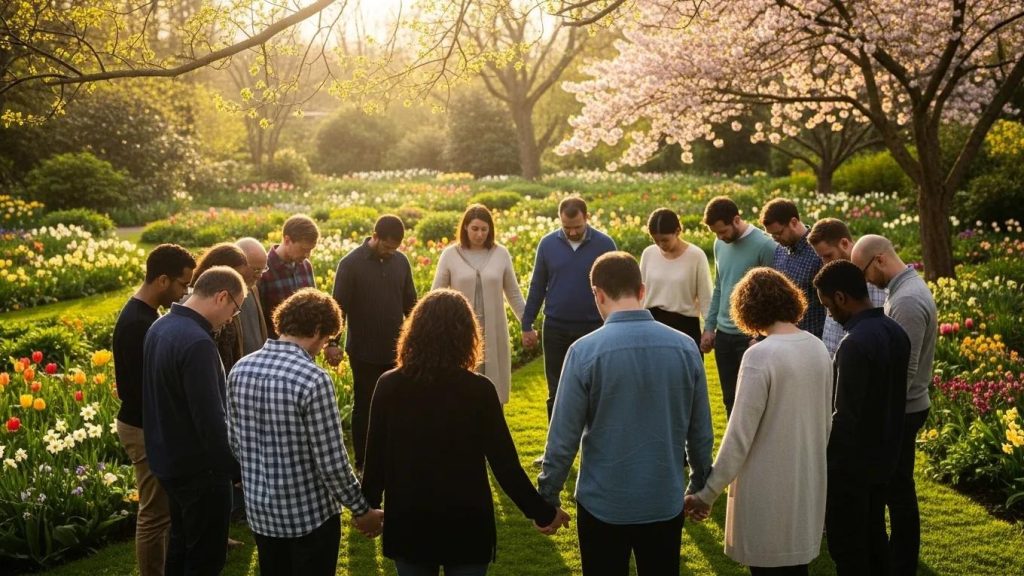
Shared prayer and devotional times deepen Easter worship by creating space for communal reflection, testimony, and encouragement. Group readings of resurrection passages, short prayers, and opportunities to support one another make the season more meaningful.
For resources and fellowship, consider connecting with the Faithtime community.
What Role Do Easter Devotionals Play in Building Faith Together?
Easter devotionals structure group reflection and growth. They help participants share insights, testify to God’s work, and apply resurrection truths in daily life.
How to Engage with Faithtime Community for Easter Support?
To connect with Faithtime for Easter support:
- Join live prayer gatherings for shared worship and brief reflections.
- Share prayer requests to receive and give support.
- Participate in events to build local and online fellowship.
Use the Faithtime contact page to find current opportunities.
Frequently Asked Questions
What is the significance of Easter in the Christian calendar?
Easter commemorates Jesus’ resurrection, marking victory over sin and death and offering believers hope of eternal life. It is a season for reflection, renewal, and communal celebration.
How can I incorporate Easter themes into my daily life?
Integrate short scripture readings, prayer focused on hope and renewal, and acts of kindness. Share brief reflections with family or friends to keep Easter themes active throughout the day.
What are some traditional Easter customs and practices?
Common customs include attending church services, shared meals, and cultural traditions like egg decorating. Many also observe Lent before Easter as a season of reflection and preparation.
How can I deepen my understanding of the resurrection?
Study resurrection passages in context, join a Bible study or group discussion, and listen to trusted sermons or teaching that explain historical and theological dimensions.
What role does prayer play during the Easter season?
Prayer centers attention on gratitude, repentance, and renewal. Community prayer events foster unity and deepen the spiritual impact of Easter themes.
How can I support my community during Easter?
Volunteer with local churches or charities, participate in community events, and share encouraging scripture and prayers. These actions spread hope and build fellowship.
As you continue reflecting on the hope of the resurrection in your own walk with Christ, you can deepen your Scripture study by exploring FaithTime’s Bible verses by topic for passages on hope, strength, and new life, and by using practical daily devotions that help you turn Easter truths into consistent rhythms of prayer and reflection. If you want more focused guidance for this season, you can also read an article like Easter devotional reflections or explore thoughtful prayers for Easter hope that support personal and community worship. To carry these habits beyond the holiday, consider using a simple devotional app that helps you stay in God’s Word, remember key resurrection verses, and stay connected with a community of believers throughout the year.