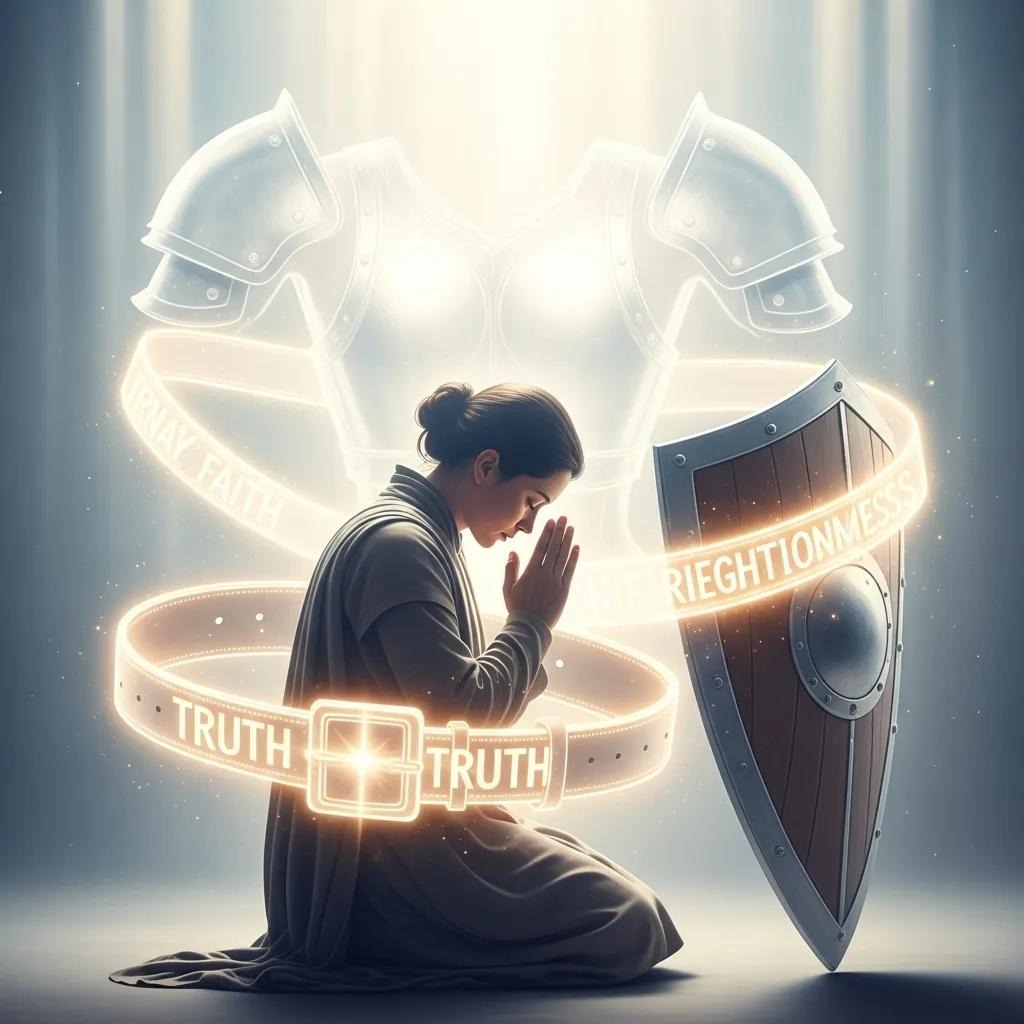

The Bible addresses the complex themes of war and peace, offering profound insights that resonate with believers facing conflict. Through various verses, scripture provides guidance on the nature of warfare, both physical and spiritual, and emphasizes the importance of faith and prayer in overcoming challenges. This article explores key Bible verses about war, the concept of spiritual warfare, and the prayers that can bring peace and protection. Readers will learn how these teachings can be applied in modern life, especially during times of conflict. We will delve into Old and New Testament perspectives, the significance of spiritual warfare, and how God’s promises inspire courage in the face of adversity. Additionally, we will discuss how the “Faithtime” app can enhance your understanding and study of these vital topics.
What Does the Bible Say About War? Key Verses and Their Context
The Bible contains numerous verses that address the topic of war, providing both historical context and spiritual insight. Key verses such as Ecclesiastes 3:8, which states,
“A time for war, and a time for peace,””Blessed be the Lord, my rock, who trains my hands for war, and my fingers for battle,”
Which Old Testament Verses Describe War and Conflict?
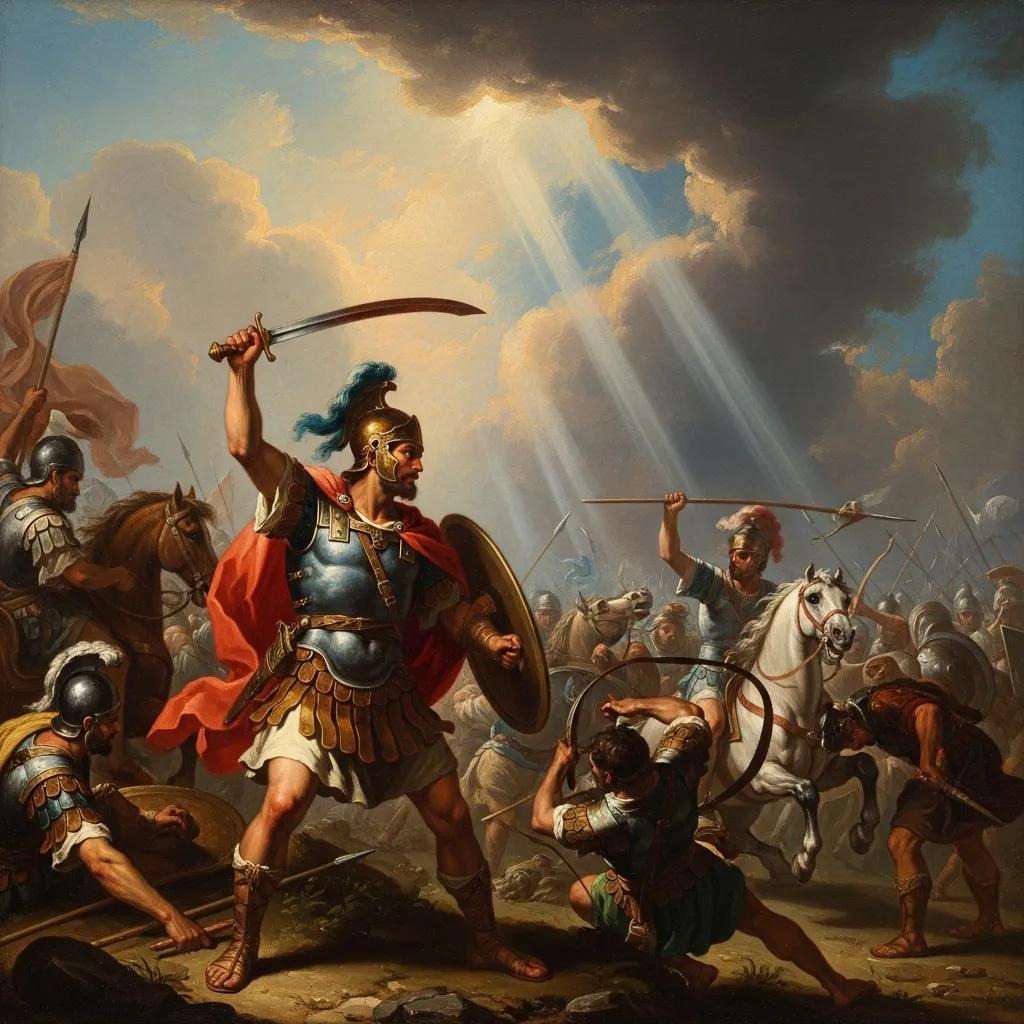
The Old Testament is rich with narratives and verses that depict war and conflict, often illustrating God’s involvement in battles. Notable verses include:
- Exodus 15:3: “The Lord is a warrior; the Lord is his name.” This verse portrays God as a powerful protector in times of war.
- Deuteronomy 20:4: “For the Lord your God is he who goes with you to fight for you against your enemies, to give you the victory.” This reassures believers of God’s presence in their struggles.
- Joshua 1:9: “Have I not commanded you? Be strong and courageous. Do not be afraid; do not be discouraged, for the Lord your God will be with you wherever you go.” This verse encourages strength and courage in the face of conflict.
These scriptures not only recount historical events but also serve as reminders of God’s unwavering support during times of strife.
How Does the New Testament Teach About War and Peace?
The New Testament shifts the focus from physical warfare to spiritual peace, emphasizing reconciliation and love. Jesus’ teachings in Matthew 5:9,
“Blessed are the peacemakers, for they will be called children of God,””If it is possible, as far as it depends on you, live at peace with everyone,”
How Is Spiritual Warfare Portrayed in the Bible? Scriptures and Meaning

Spiritual warfare is a significant theme in the Bible, illustrating the ongoing battle between good and evil. Ephesians 6:12 states,
“For we do not wrestle against flesh and blood, but against the rulers, against the authorities, against the cosmic powers over this present darkness, against the spiritual
Further scholarly analysis delves into the profound implications of Ephesians 6 for understanding the nature of spiritual conflict.
To further explore related topics, consider visiting the “Faithtime content” page for additional resources and insights.
For those interested in learning more about the organization behind this resource, you can explore “about Faithtime” to understand their mission and values.
If you have any questions or would like to get in touch, please visit our “contact” page for more information.
Frequently Asked Questions
What is the significance of prayer in times of war according to the Bible?
Prayer plays a crucial role in the Bible, especially during times of war and conflict. It serves as a means of seeking divine guidance, strength, and peace. Believers are encouraged to pray for protection, wisdom, and the ability to forgive. Verses like Philippians 4:6-7 remind us to present our requests to God, promising that His peace will guard our hearts and minds. This spiritual practice not only fosters a connection with God but also helps individuals navigate the emotional turmoil that often accompanies conflict.
How can the concept of spiritual warfare be applied in daily life?
Spiritual warfare, as described in the Bible, emphasizes the importance of being aware of the unseen battles we face daily. This concept can be applied through prayer, meditation, and the study of scripture, which equip believers to resist negative influences and temptations. Ephesians 6:10-18 encourages putting on the “armor of God” to stand firm against spiritual challenges. By cultivating a strong spiritual foundation, individuals can better navigate life’s difficulties and maintain peace amidst chaos.
Are there specific prayers recommended for peace during conflict?
Yes, the Bible offers various prayers and verses that can be used to seek peace during conflict. One notable example is Psalm 34:14, which advises, “Turn from evil and do good; seek peace and pursue it.” Additionally, the Lord’s Prayer includes a plea for God’s kingdom to come and His will to be done, which can be interpreted as a request for peace. Believers are encouraged to pray for wisdom, reconciliation, and the ability to forgive, fostering a spirit of peace in their hearts and communities.
What role does faith play in overcoming fear during warfare?
Faith is a powerful tool for overcoming fear, especially in the context of warfare. The Bible repeatedly emphasizes trusting in God’s promises and presence. Verses like Isaiah 41:10 remind believers not to fear, for God is with them. This assurance can provide comfort and courage in the face of adversity. By relying on faith, individuals can find strength to confront their fears, knowing that they are not alone in their struggles and that God is actively involved in their lives.
How does the Bible differentiate between just and unjust wars?
The Bible does not explicitly define just and unjust wars but provides principles that can guide believers in discerning the morality of conflict. Key themes include the pursuit of justice, protection of the innocent, and the importance of seeking peace. Scriptures like Micah 6:8 highlight the call to “act justly, love mercy, and walk humbly with your God.” Believers are encouraged to seek divine wisdom and guidance when faced with decisions about war, ensuring that their actions align with biblical values of love and justice.
What lessons can be learned from biblical accounts of war?
Biblical accounts of war offer valuable lessons about faith, leadership, and the consequences of conflict. Stories such as David and Goliath illustrate the power of faith and courage in overcoming seemingly insurmountable challenges. Additionally, the narratives often highlight the importance of seeking God’s guidance before engaging in battle. These lessons remind believers of the need for humility, reliance on divine strength, and the pursuit of peace, encouraging them to reflect on their own actions and motivations in times of conflict.