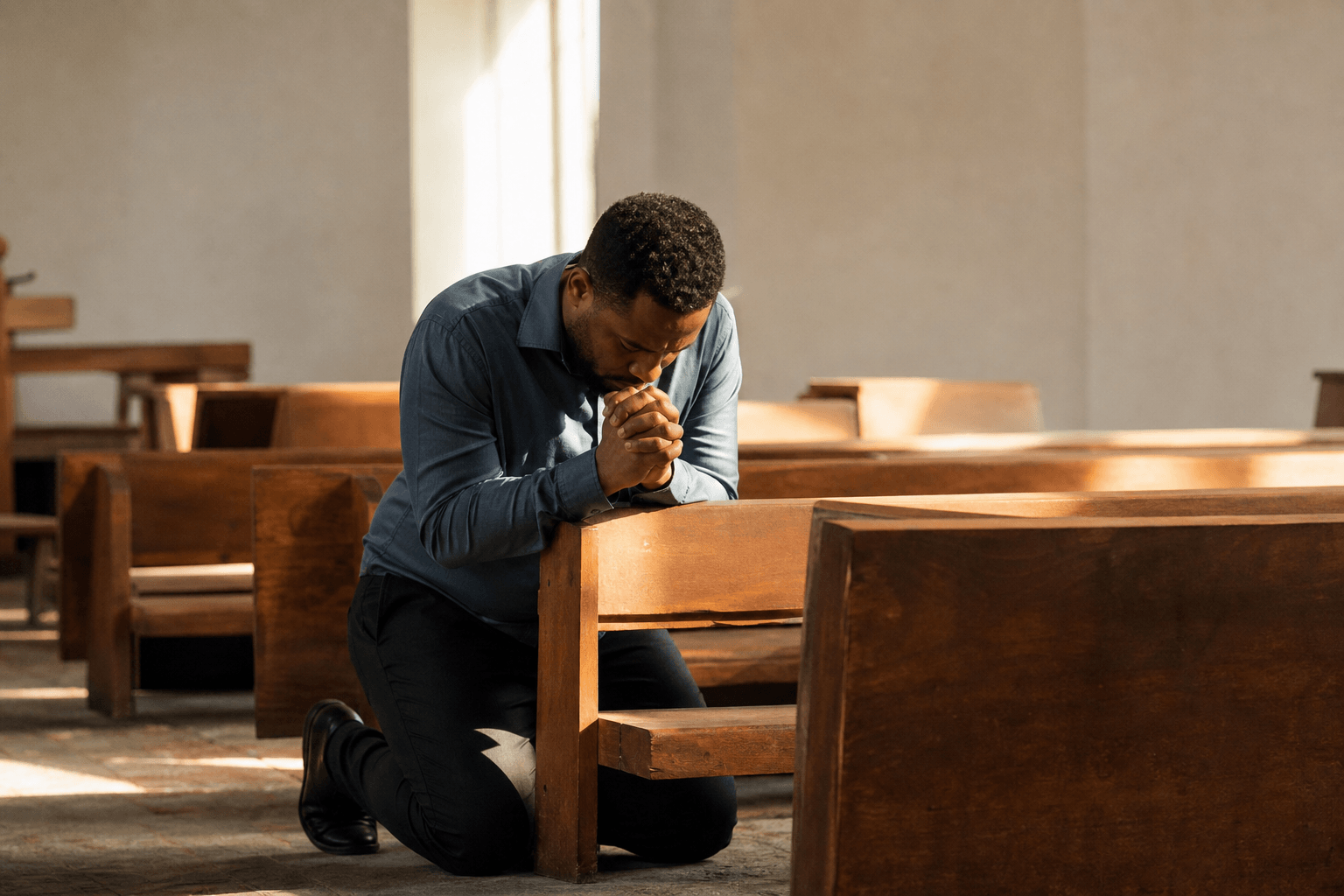
Engaging in addiction recovery is a challenging journey that requires steadfast support, emotional guidance, and spiritual reinforcement. This devotional provides daily hope and freedom in Christ for those seeking to overcome addiction. By integrating scripture, community support, and consistent prayer, individuals can cultivate a spiritual foundation that empowers them through recovery and encourages a healthy routine aligned with their faith and goals.
We will cover spiritual practices, encouragement from scripture, and the role of community support, offering practical guidance to foster resilience and consistency so readers may experience freedom in faith and recovery.
Spiritual Foundation

Establishing a spiritual foundation is vital in recovery. Daily practices—prayer, scripture reading, and reflection—reinforce faith, provide strength during difficult moments, and support emotional healing. Regular prayer can foster a sense of connection to a higher power, which many find comforting through the recovery process.
Immersing oneself in scripture often yields insight and renewed strength. Key Bible verses can remind individuals of their identity in Christ and the possibility of renewal, helping create a mental and emotional buffer against relapse while nurturing hope for healing.
Encouragement and Hope
Encouragement and hope are pivotal in recovery. Scripture contains passages that inspire a brighter future—Jeremiah 29:11, for example, reassures believers of God’s plans to prosper them. Such promises, combined with shared prayers and support, foster security, optimism, and resilience by reminding people they are not alone.
Reframing Thoughts
Reframing negative thought patterns supports healthier perspectives. Cognitive reframing and scripture-based affirmations can strengthen one’s identity in Christ and create purpose in recovery. Focusing on constructive self-talk helps break cycles of guilt and shame, and the blend of scriptural guidance with practical techniques offers a holistic approach to mindset change.
Community Support
Community plays an invaluable role in recovery. Support groups and communal faith activities provide safe spaces to share experiences, reinforce sobriety commitments, and build trustworthy relationships. Structured community efforts offer emotional support and accountability, strengthening long-term recovery. Integrating platforms such as FaithTime—which offers interactive experiences for young Christians—can enhance these communal supports.
A Personal Story of Recovery and Daily Devotion
Over the past year of my recovery journey, I have learned that staying sober is less about one big decision and more about a hundred small choices made every day. Mornings used to be the hardest—waking up with anxiety, shame, and a heavy sense of spiritual distance. As I started using daily devotionals focused on addiction and God’s promises, I noticed that having Scripture in front of me first thing in the morning slowly shifted my mindset. Verses about God’s strength in weakness and His nearness to the brokenhearted began to feel personal, not theoretical. Instead of reaching for old habits when cravings hit, I found myself returning to those same passages, breathing slowly, and asking Jesus to carry what felt too heavy for me.
In that process, tools like FaithTime and other faith-based devotionals became small but steady anchors in my day. I would take a few minutes during lunch or before bed to read a short reflection, answer a question about how I was really doing, or share a simple prayer request with a trusted community. It was not a dramatic overnight transformation, but over time I realized I no longer felt as alone or ashamed in my struggle. Having a place where I could bring my temptations, gratitude, and setbacks to God—alongside other believers who were also learning to walk in freedom—made recovery feel possible, one prayer and one honest check-in at a time.
How Can Interactive Faith Tools Enhance Daily Devotional Practices?
Interactive faith tools enrich daily devotion by promoting engagement and shared experiences like prayer requests and communal activities. These platforms create participatory spaces that deepen connection and encourage consistent spiritual practice.
What Role Do AI-Powered Prayer and Bible Tools Play in Recovery?
AI-powered prayer and Bible tools can personalize devotional guidance, offer scripture suggestions, and provide reminders that help maintain a steady routine. Such technology can deepen understanding of scripture and support consistent prayer habits.
How Do Social Faith Games and Prayer Requests Build Recovery Support?
Social faith games and prayer requests foster shared engagement that strengthens community bonds. These formats let individuals express needs and receive encouragement while participating in supportive activities, promoting accountability and emotional healing. Feel free to contact us if you have questions.
Practical Guidance
Actionable daily practices can aid recovery. Journaling offers a private space to reflect on thoughts, identify triggers, and track progress—often leading to insights that increase resilience. Incorporating prayer into routine life, whether morning or evening, establishes a dependable connection to God and brings clarity and purpose to the recovery journey.
Prayer Practices
Different types of prayer enrich spiritual life: contemplative prayers support meditation on scripture, while structured prayers focus on specific recovery goals. Personal motivations for prayer vary—seeking peace, guidance, or connection—but consistent prayer builds purpose and steadiness.
Consistency and Routine
Routine supports lasting spiritual practices. A structured devotional schedule fosters stability, discipline, and ongoing commitment—important qualities for long-term sobriety. Tailor routines to personal commitments while keeping spiritual growth central, and link these practices to recovery milestones to maintain momentum.
Which Bible Verses Offer Hope and Healing for Addiction Recovery?
Key scriptures emphasize redemption and renewal. Consider these verses:
- Isaiah 40:31: “But those who hope in the Lord will renew their strength. They will soar on wings like eagles…”
- Philippians 4:13: “I can do all this through him who gives me strength.”
- 2 Corinthians 5:17: “Therefore, if anyone is in Christ, the new creation has come: The old has gone, the new is here!”
Engaging these verses can renew hope and affirm the possibility of change.
How Does Scripture Provide Strength for Sobriety Challenges?
Scripture offers wisdom and comfort tailored to recovery struggles. Passages like Matthew 11:28–30 invite people to cast burdens on Christ and find rest, providing encouragement to rely on faith during difficult seasons.
What Are Key Verses That Inspire Freedom in Christ?
Verses that highlight liberation—such as Galatians 5:1, “It is for freedom that Christ has set us free…”—help frame recovery within a narrative of redemption, reinforcing a sense of spiritual freedom and renewed purpose.
Why Are Testimonies of Freedom in Christ Vital for Addiction Healing?
Testimonies show real struggles and victories, offering hope and accountability. Shared stories inspire newcomers and strengthen community conviction that recovery and transformation are possible through faith.
How Do Personal Stories Inspire and Strengthen Faith Journeys?
Personal narratives build belonging and hope by revealing how God works in different lives. Sharing journeys encourages collaborative growth and mutual support, reminding participants that healing is possible within a community of faith.
Where Can You Find Community Support for Addiction Recovery?
Community resources include:
- Support Groups: Organizations such as Alcoholics Anonymous or faith-based recovery programs connect people facing similar challenges.
- Faith Communities: Local churches often host recovery-focused groups and events.
- Online Resources: Virtual communities and platforms like FaithTime provide interactive experiences to foster spiritual growth and connection.
Engaging these sources supplies the encouragement and accountability needed to sustain recovery.
Frequently Asked Questions
What is the significance of prayer in addiction recovery?
Prayer gives a direct way to communicate with God, fostering hope, reassurance, and inner peace. A consistent prayer routine supports emotional healing, clarifies decisions, and reinforces commitment to sobriety.
How can scripture be applied in daily recovery practices?
Use scripture for reading, reflection, memorization, or journaling. Applying verses to personal struggles provides strength, perspective, and a spiritual anchor that helps keep recovery goals in focus.
What role does community play in sustaining recovery?
Community provides encouragement, accountability, and a sense of belonging. Support groups and faith communities create safe spaces for sharing struggles, praying together, and celebrating milestones—fueling ongoing commitment to recovery.
How can journaling aid in addiction recovery?
Journaling encourages reflection, helps identify triggers and progress, and strengthens self-awareness. Written reflection can deepen one’s connection with God and reveal insights that support sustained recovery.
What types of spiritual practices enhance recovery?
Practices like prayer, meditation, and scripture study build discipline and spiritual resilience. Regular engagement with these habits nurtures a foundation for navigating recovery challenges with steadiness and hope.
How can affirmations based on scripture support mental health?
Scripture-based affirmations counter negative self-talk and reinforce identity in Christ. Repeating truths such as “I am a new creation” can bolster hope, reshape thought patterns, and support emotional healing during recovery.
As you continue pursuing lasting sobriety, staying rooted in a daily devotional app can help you return to God’s truth in moments of weakness, while exploring prayers for every situation and Bible verses by topic can further strengthen your spiritual routine with timely encouragement. For deeper reflection, you may also find Bible Verses About Addiction and Bible Verses About Freedom especially meaningful as you seek Christ-centered healing, renewed strength, and freedom from old patterns.