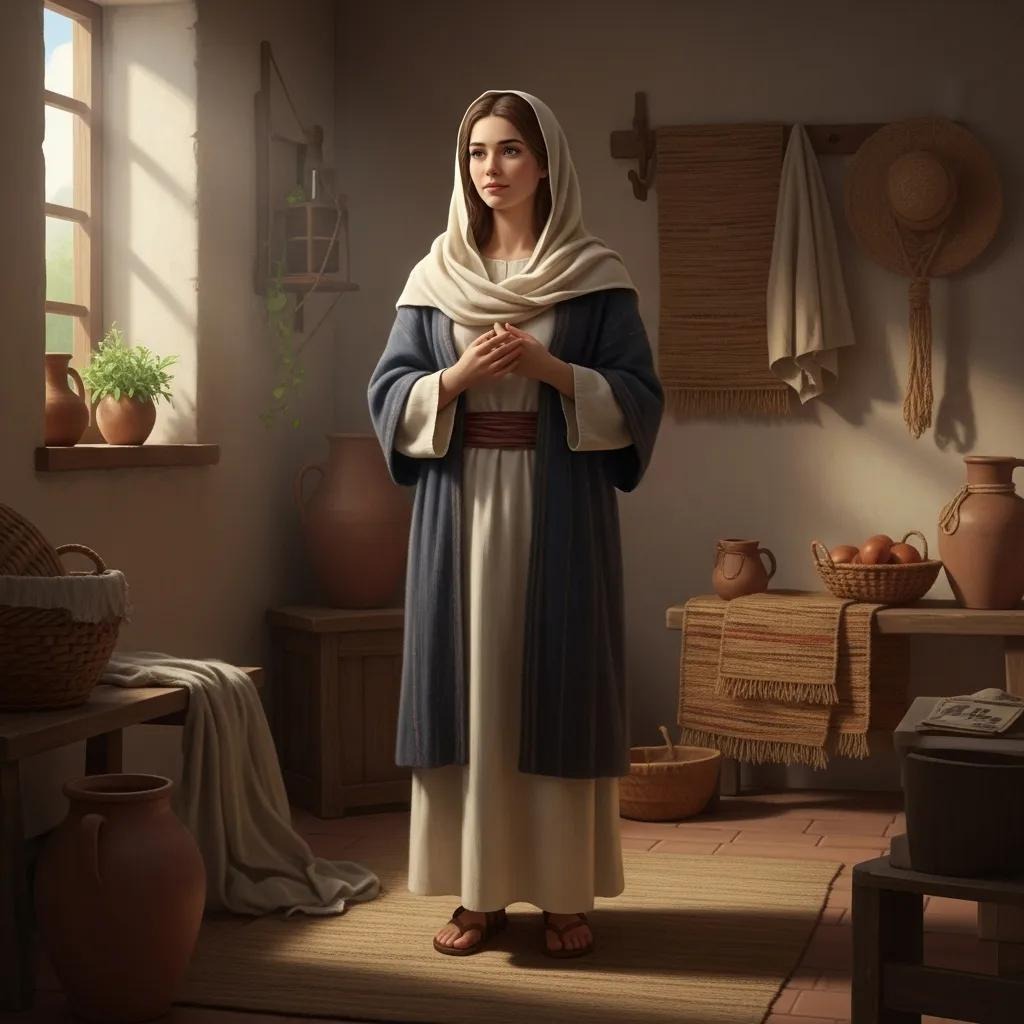
The canonical Gospels do not record a specific age for the Virgin Mary at the time she conceived Jesus, but historical and cultural evidence leads most scholars to estimate a likely range of about 12–15 years.
This article explains why the Bible remains silent on Mary’s exact age, how first-century Jewish betrothal and marriage customs inform age estimates, and what apocryphal and patristic sources add to later tradition. Readers will gain a clear, evidence-based age range, an understanding of betrothal versus consummation practices in ancient Judea, and practical theological reflections on what Mary’s youth meant for early Christian identity. I will map canonical evidence from Luke and Matthew, summarize first-century Jewish customs with comparative EAV tables, assess the Protoevangelium of James and early Church Fathers, and offer spiritual takeaways for modern readers. Throughout, the article weaves historical analysis with accessible theological reflection and practical next steps for personal study and devotional practice.
What Does the Bible Say About the Virgin Mary’s Age at Jesus’ Birth?
The Bible is silent about Mary’s exact age at Jesus’ birth; Gospel narratives focus on theological meaning rather than biographical details. Luke’s Annunciation narrative describes Mary as a young woman betrothed to Joseph, and Matthew treats Joseph as her husband at the time of conception, but neither Gospel gives a numeric age. Scholars therefore infer age from social context—terms like “betrothed” imply a pre-consummation legal bond common for adolescents in first-century Jewish culture. This section summarizes the relevant Gospel passages and explains why silence in the text opens space for historical reconstruction. Understanding canonical silence is essential before turning to cultural and extra-canonical sources that attempt to provide specifics.
Which Biblical Passages Refer to Mary’s Age or Life Events?
Luke 1:26–38 and the infancy narratives in Luke and Matthew mention Mary’s betrothal, the Annunciation, and the Nativity, but they omit precise biographical data such as age. The Annunciation passage identifies Mary as a virgin who is betrothed, a social status that in first-century Palestine commonly described an adolescent female legally promised in marriage but not yet living with her husband. The Gospel authors aim to convey theological truths—God’s initiative, Mary’s assent, and Jesus’ identity—so the text assumes readers’ cultural knowledge rather than providing ethnographic details. Consequently, historians read these clues against known Jewish marriage customs to generate plausible age ranges. This method explains how the 12–15 estimate arises from reading narrative markers against social practice rather than explicit scriptural statements.
Why Does the Bible Remain Silent on Mary’s Exact Age?
Gospel writers were primarily theological narrators who selected details that served proclamation and catechesis, not encyclopedic biographers cataloguing every life datum. Ancient authors commonly assumed readers shared cultural background knowledge—so mentioning “betrothed” conveyed social age markers without stating a number. This narrative economy means silence on age is not unusual; instead, it invites readers and later traditions to supply context through social history and apocryphal accounts. Historians therefore triangulate between canonical hints and external evidence—archaeology, legal texts, and later writings—to propose the most plausible age range. Recognizing authorial intent clarifies why the Gospels emphasize faith and mission while leaving domestic specifics implied.
What Were Jewish Marriage Customs in First-Century Judea That Inform Mary’s Age?

First-century Jewish marriage customs typically separated betrothal (a legally binding promise) from household consummation, and girls often moved from puberty to betrothal in their early teens. Betrothal could be formal and legally binding, after which consummation and full marital cohabitation often followed months or a year later, which influences how historians estimate age at pregnancy. Regional variation, family economics, and Roman influences could shift timing, but the dominant pattern in Galilee and Judea places many girls in their early to mid-teens at betrothal.
Introductory table: This EAV-style table compares customary ages and betrothal features across sources and practice, showing how evidence supports a plausible adolescent age for Mary.
| Customary Element | Typical Pattern | Implication for Mary’s Age |
|---|---|---|
| Puberty to Betrothal | Girls often betrothed soon after menarche | Suggests betrothal commonly in early teens (≈12–15) |
| Betrothal Duration | Months to a year between betrothal and consummation | Pregnancy during betrothal implies early marriage transition |
| Legal Status of Betrothal | Legally binding; required formal release to break | Indicates social recognition of adult responsibilities despite youth |
This comparison shows that when the Gospels call Mary “betrothed,” contemporary practice points toward adolescent years as most plausible, helping explain the scholarly 12–15 estimate.
At What Age Were Girls Typically Betrothed and Married in Ancient Jewish Tradition?
Scholars summarize first-century Jewish practice as favoring betrothal soon after puberty, commonly placing girls between 12 and 15 at the time of betrothal and first pregnancy. Roman-era legal records, rabbinic literature, and comparative Mediterranean demographic data converge on early-teen marriage as typical for rural Jewish communities, though elite or urban families sometimes delayed marriage for economic or social reasons. The biological marker of menarche, combined with social norms that prioritized family formation, created a timeline where adolescent girls assumed marital roles quickly. These converging lines of evidence make the 12–15 range the most defensible scholarly consensus while allowing for local variation.
How Did Betrothal and Marriage Practices Affect Mary and Joseph’s Life Stages?
Betrothal in first-century Jewish society created legal obligations and social responsibilities—property arrangements, kinship alliances, and expectations about household formation—which shaped the likely ages and roles of both partners. Joseph’s portrayal as a protective husband in Matthew reflects the social role expected after betrothal: a man who upholds legal and familial obligations, sometimes regardless of the wife’s youth. While some traditions later imagined significant age gaps, the textual and cultural evidence offers no reliable basis for a large disparity in age; modest age difference or parity is more consistent with local marriage customs. Understanding betrothal’s legal weight helps explain Gospel narrative choices and supports age inferences grounded in social reality rather than later legend.
What Do Early Christian Sources and Apocryphal Texts Reveal About Mary’s Age?
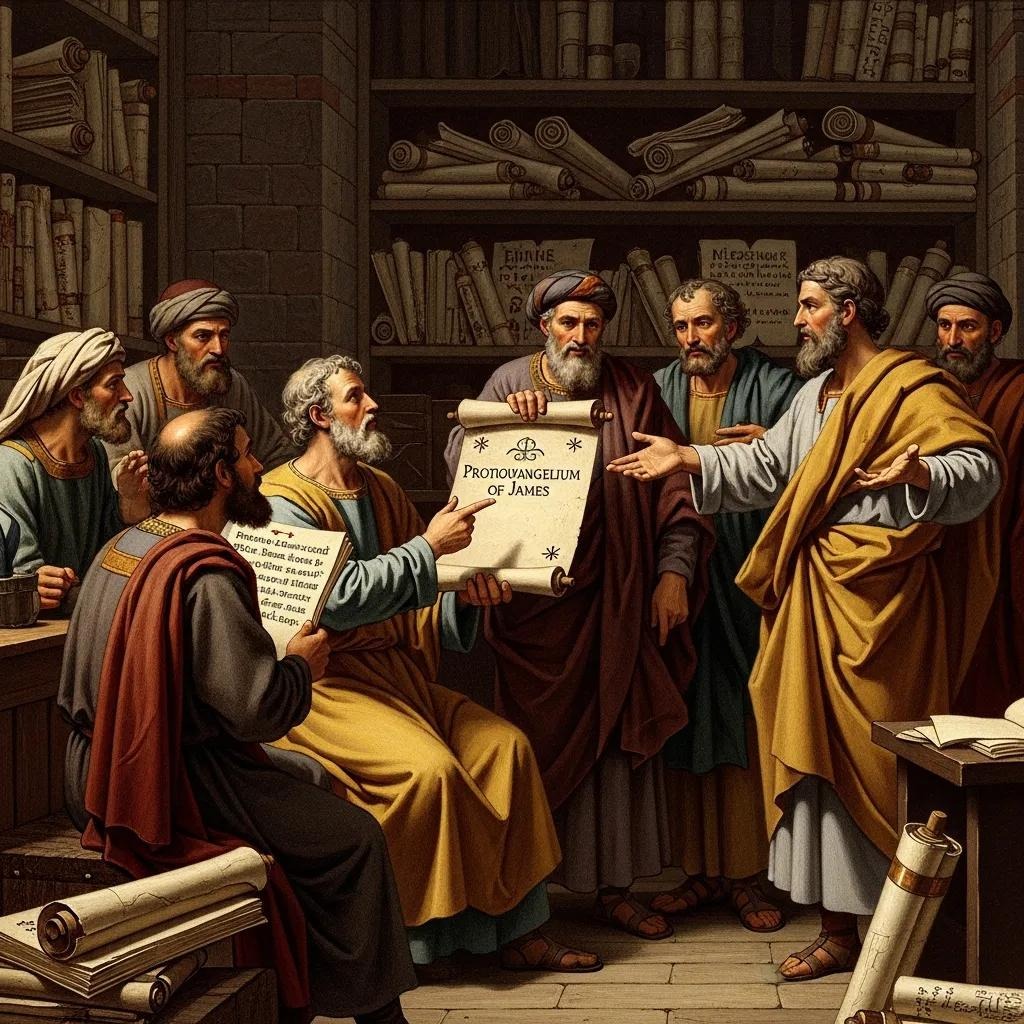
Non-canonical texts and patristic commentaries provide explicit age claims and narrative details that the canonical Gospels omit, but their historical reliability varies and many are late or theological in purpose. The Protoevangelium of James, a second-century apocryphon, offers a detailed backstory for Mary—including age-related episodes—that heavily influenced medieval art and devotion despite its non-canonical status. Early Church Fathers sometimes echo or respond to such traditions, shaping popular belief about Mary’s youth even when they did not claim apostolic authority for precise biographical facts.
The following compact table contrasts canonical silence with apocryphal claims and patristic remarks to help readers weigh competing sources clearly.
Introductory table: This EAV-style table lists primary extra-canonical sources, summarizes their claims about Mary’s age or betrothal, and notes their canonical status for quick reference.
| Source / Text | Claim About Mary | Canonical Status |
|---|---|---|
| Protoevangelium of James | Presents a narrative implying young consecration and early betrothal; suggests youth at marriage | Non-canonical, influential in tradition |
| Early Church Fathers (e.g., Origen, Jerome) | Various comments referring to Mary’s purity and youth without consistent age claim | Patristic commentary, interpretive |
| Later Byzantine and Western tradition | Fixed devotional ages and images of a young Mary in art | Liturgical/popular, not scriptural |
This comparison highlights that extra-canonical texts shaped popular imagination but cannot override canonical silence; historians use them cautiously as cultural evidence rather than authoritative biography.
How Does the Protoevangelium of James Describe Mary’s Age and Betrothal?
The Protoevangelium of James describes Mary as dedicated early, living in the Temple and being chosen for Joseph while young—details that created an enduring narrative of Mary’s youthful consecration and betrothal. Written in the second century, the text supplies narrative gaps left by the Gospels, offering specific scenes that later tradition popularized, but its late date and theological aims reduce its weight as historical proof. Scholars treat it as a window into early Christian piety and the development of Marian devotion rather than as a factual record of first-century Galilean life. Its influence on art, liturgy, and medieval hagiography is substantial, yet it must be balanced against legal, archaeological, and socio-historical data.
What Insights Do Early Church Fathers Provide on Mary’s Youth?
Early Church Fathers variably commented on Mary’s purity, vocation, and role in salvation history, sometimes implying youth but rarely supplying a precise age, and often emphasizing theological themes over biography. Fathers such as Jerome and later commentators drew on apocryphal narratives and cultural assumptions to shape devotional teaching about Mary’s humility and chosenness, which in turn influenced popular belief about her age. Patristic testimony therefore illuminates how early Christian communities read Mary’s story rather than providing independent demographic data. When combined with social-history evidence, patristic reflection helps explain how a youthful Mary became a lasting theological symbol in Christian imagination.
How Does Historical and Cultural Context Shape Estimates of Mary’s Age?
Placing Mary within the daily life, demographics, and Roman-influenced culture of Nazareth and first-century Galilee refines age estimates by showing how family size, labor patterns, and regional customs affected marriage timing. Archaeological and demographic studies indicate that rural households prioritized early marriage for social stability and labor organization, and Galilean life included physical work and household responsibilities that matured young women quickly. Roman administrative and economic pressures—taxation, landholding patterns, and urban-rural differences—could modulate but not overturn local Jewish marriage norms. Putting Mary in this lived context helps historians move from canonical silence to a historically plausible age range grounded in everyday realities.
What Was Daily Life Like for Young Women in Nazareth During Mary’s Time?
Young women in Nazareth typically engaged in domestic labor, textile production, and family-based agriculture, roles that demanded physical maturity and fostered early readiness for household leadership. Education for girls was largely informal and vocational, training them in the skills needed for marriage and childrearing rather than formal literary instruction, which influenced expectations about life stages. Community structures and kinship networks provided social support but also established clear timelines for marriage and childbearing that leaned toward early adulthood. Understanding these daily rhythms clarifies why contemporary observers might naturally assume an adolescent Mary when the Gospels speak of a betrothed virgin.
How Did Roman Influence Impact Marriage and Family Life in Judea?
Roman governance introduced economic and legal frameworks that intersected with Jewish custom, producing regional variation in marriage timing without replacing local norms. Imperial tax systems, property law, and urbanization sometimes delayed or accelerated marriage depending on family circumstances, and Roman legal categories occasionally appear in dispute resolution records that scholars use to gauge marital practices. However, in rural Galilee, customary Jewish law and local kinship patterns remained primary drivers of marriage timing, so Roman influence often affected the margins rather than the core practice of early betrothal. Recognizing this layered influence cautions scholars against overly rigid generalizations and supports a qualified age-range estimate grounded in local evidence.
What Is the Theological and Spiritual Significance of Mary’s Youth at Jesus’ Birth?
Mary’s probable youth—whether early teen or mid-teen—carries theological weight in Gospel narratives: youthful vulnerability paired with decisive assent underscores themes of humility, divine election, and God’s preference for the lowly. Luke’s portrait of Mary, including the Magnificat, links youthful receptivity with spiritual maturity, presenting an image of faithful obedience that transcends chronological age.
Mary’s example yields concrete spiritual lessons that are accessible to young Christians and those guiding them:
- Faithful Assent: Mary models saying “yes” to a surprising call with trust and informed reflection.
- Humility and Service: Her youthful status highlights God’s use of the humble to fulfill lofty purposes.
- Community Formation: Mary’s role points to the importance of family and communal recognition in vocation.
These lessons encourage readers to see vocation as a combination of personal readiness and communal support, and they prepare the way for practical devotional practices that reinforce sustained spiritual growth.
How Did Mary’s Faith and Obedience Reflect Her Youthful Devotion?
Luke presents Mary’s response to the angel and her Magnificat as evidence of deep spiritual maturity that coexists with social youthfulness, illustrating that chronological age does not limit spiritual insight or readiness for discipleship. Her assent models discernment and humility: she hears, ponders, and responds with trust—behavior that theological tradition reads as a paradigm of faithful obedience. For contemporary readers, Mary’s example invites reflection on how young persons can exercise responsible faith within family and community structures. These reflections bridge historical reconstruction with pastoral application, prompting readers to cultivate both knowledge and devotion in daily life.
What Does Mary’s Age Symbolize About Divine Choice and Humility?
Mary’s likely adolescent status symbolizes a recurrent biblical theme: God’s preference for the humble, the small, and the unexpected as instruments of grace and reversal. This theological pattern—evident across Scripture—frames Mary not as a prize of worldly power but as a vessel of divine initiative, chosen precisely in her ordinary setting. The symbolism encourages believers to reassess cultural metrics of readiness and to value dispositional virtues such as humility and obedience. Practically, this theological reading invites devotionals that focus on availability and trust rather than age or status as prerequisites for vocation.
As a practical application, readers seeking guided reflection can use daily devotional practices that pair short scripture readings with questions about assent and humility, and for those wanting interactive study, Faithtime.ai offers tools for sustained devotional practice and reflection, including daily goals like short prayers and Bible verses and an AI-powered Bible Chat to explore historical and theological questions. These resources can help individuals translate Mary’s example into manageable daily spiritual formation without supplanting primary focus on careful historical understanding.
What Are Common Questions About Mary’s Age and How Can FaithTime’s App Enhance Understanding?
This final section answers reader FAQs with concise, answer-first responses and shows how a devotional app can support continued exploration. Short answers are optimized for quick reference, followed by brief elaboration and practical next steps. The integration here emphasizes educational value first, then the ways a devotional app can extend learning through daily practice and conversation with an AI study tool; if you want to see how these tools fit together in daily use, you can explore FaithTime features for structured study, prayer, and reflection.
How Old Was Mary When She Was Pregnant with Jesus?
The Bible itself does not state Mary’s age; historians commonly estimate she was between about 12 and 15 years old based on first-century Jewish betrothal and marriage customs. This estimate relies on social-history evidence—legal status of betrothal, demographic patterns, and comparative Mediterranean practices—rather than a direct scriptural claim. Apocryphal texts and later tradition sometimes supply younger or more detailed portraits, but these are not canonical and must be weighed cautiously. Thus, the short direct answer is: Bible silent; best historical estimate approximately 12–15 years.
How Can FaithTime’s Bible Chat Help Explore Mary’s Age and Biblical History?
FaithTime.ai provides daily devotional support and an AI-powered Bible Chat designed for authoritative, intelligent faith guidance that can assist readers in asking focused historical and theological questions about Mary’s age and context. Users can pose queries that return scriptural references, concise historical summaries, and suggested short devotions for reflection, enabling a structured, daily approach to learning. The app’s devotion-tracking features and supportive community tools help translate scholarly insight into sustained spiritual practice. Readers interested in mixing historical study with personal devotion will find the combination of bite-sized devotions and conversational Bible Chat useful for ongoing exploration.
Practical steps readers can follow to continue studying Mary’s age and context:
- Ask targeted questions in Bible Chat about betrothal, Luke 1, or Protoevangelium of James.
- Set a short daily devotion focused on the Annunciation and reflect with guided prompts.
- Engage a small group or community discussion to compare historical findings and devotional responses.
These brief steps bridge the article’s scholarly content with everyday spiritual formation using small, sustainable practices.
- Use Bible Chat for follow-up historical or exegetical questions that arise while reading.
- Track short, daily devotions that focus on themes like assent, humility, and vocation.
- Share insights with a supportive community to test interpretations and foster accountability.
These actions keep study practical and devotional, letting historical understanding inform spiritual growth rather than remaining purely academic.
If you want structured studies that go beyond this article’s question, you can explore FaithTime’s Bible lessons, which include guides on Jesus’ life, Mary, and other key biblical themes. To pray through related passages about trust, calling, and humility, you can also use FaithTime’s Bible verses, organized by topic for quick reflection.
If this topic has sparked broader curiosity about Jesus’ own timeline, FaithTime’s study on Jesus age today explains how historians estimate His birth year and earthly age. For a different angle on how God can work through pregnancy imagery in Scripture and spiritual experience, you can also read FaithTime’s guide to the biblical meaning of pregnancy dreams.
This article has presented canonical evidence, social-history context, apocryphal and patristic perspectives, and theological reflections to give a balanced, evidence-based answer to the question of Mary’s age at Jesus’ birth. Readers can combine the historical estimate (12–15) with devotional practice to appreciate both the factual and spiritual dimensions of Mary’s story, and tools such as daily devotions and AI-assisted Bible Chat can help translate that appreciation into sustained spiritual formation.