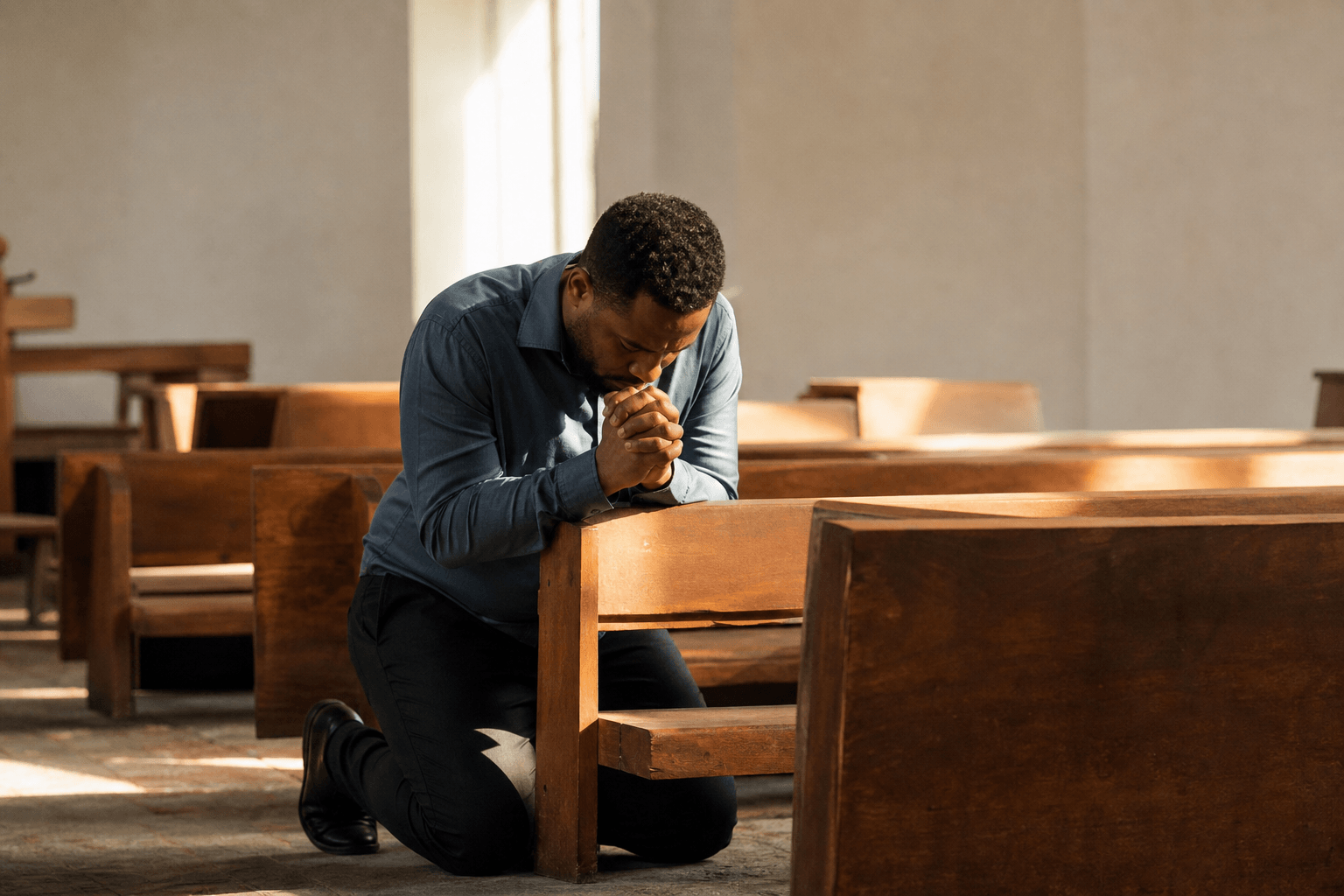
Reconciliation is at the heart of the Gospel — God restoring our relationship with Him and calling us to live in peace with others. These Bible verses remind us that forgiveness and humility can heal divisions, rebuild trust, and reflect Christ’s love in our lives.

Featured Scriptures on Reconciliation
The Bible calls believers to be peacemakers and to seek restoration in relationships. These Scriptures guide us toward forgiveness, humility, and unity through God’s love.
- 2 Corinthians 5:18–19 — “All this is from God, who reconciled us to Himself through Christ and gave us the ministry of reconciliation: that God was reconciling the world to Himself in Christ, not counting people’s sins against them.”Explanation: Reconciliation begins with God’s forgiveness — and we are called to extend that same grace to others.
- Matthew 5:23–24 — “Therefore, if you are offering your gift at the altar and there remember that your brother or sister has something against you, leave your gift there in front of the altar. First go and be reconciled to them; then come and offer your gift.”Explanation: True worship includes seeking peace and restoring broken relationships.
- Colossians 1:19–20 — “For God was pleased to have all His fullness dwell in Him, and through Him to reconcile to Himself all things, whether things on earth or things in heaven, by making peace through His blood, shed on the cross.”Explanation: Christ’s sacrifice brings ultimate reconciliation — between humanity and God, and among people.
- Romans 12:18 — “If it is possible, as far as it depends on you, live at peace with everyone.”Explanation: We can’t control others, but we can choose peace, forgiveness, and humility in our hearts.
- Ephesians 2:14–16 — “For He Himself is our peace, who has made the two groups one and has destroyed the barrier, the dividing wall of hostility… His purpose was to create in Himself one new humanity out of the two, thus making peace.”Explanation: Christ breaks down walls of hostility and unites people through His love.
- James 3:18 — “Peacemakers who sow in peace reap a harvest of righteousness.”Explanation: Those who pursue reconciliation bring lasting fruit — peace, justice, and love.
- Matthew 18:15 — “If your brother or sister sins, go and point out their fault, just between the two of you. If they listen to you, you have won them over.”Explanation: Reconciliation often begins with honest, humble conversations rooted in love.
- Romans 5:10–11 — “For if, while we were God’s enemies, we were reconciled to Him through the death of His Son, how much more, having been reconciled, shall we be saved through His life!”Explanation: God’s mercy shows that reconciliation is always possible through grace.
- Hebrews 12:14 — “Make every effort to live in peace with everyone and to be holy; without holiness no one will see the Lord.”Explanation: Pursuing peace and holiness reflects God’s character to the world.
- 1 John 4:20–21 — “Whoever claims to love God yet hates a brother or sister is a liar. For whoever does not love their brother and sister, whom they have seen, cannot love God, whom they have not seen.”Explanation: Genuine love for God is proven through love and reconciliation with others.
How to Apply These Verses in Daily Life
Reconciliation takes courage and humility. It begins with prayer, forgiveness, and a desire to restore peace rather than win arguments.
- Pray for softened hearts and wisdom before reaching out.
- Take the first step toward healing — even if it’s difficult.
- Listen with empathy and speak with grace.
- Reflect on how God has reconciled you, and extend that same mercy.
- Use these verses in your FaithTime devotion plan to cultivate peace.
FAQs
What does reconciliation mean in the Bible?
In Scripture, reconciliation means restoring peace between people — and between humanity and God. It’s the act of forgiveness and renewal through Christ’s love.
How can I practice reconciliation in my relationships?
Start with humility and forgiveness. Reach out to resolve conflict, listen patiently, and focus on understanding rather than blame.
Why is reconciliation important for Christians?
Because God reconciled us to Himself, we are called to live as agents of peace and restoration in our relationships and communities.
What are the first steps toward reconciliation?
Pray for guidance, confess your own part honestly, and extend forgiveness. Let love and grace lead your actions, just as Christ has forgiven you.
When God calls you to pursue healing in a broken relationship, these Bible verses about reconciliation can guide you to seek peace, forgiveness, and restored unity with others. As you take practical steps toward healing, a Christian faith app like FaithTime can help you stay rooted in prayer and Scripture so reconciliation becomes part of your daily walk with Christ. For more guidance on what the Bible teaches about restoring relationships, you can explore our Bible lessons and prayer resources that offer biblical insight and prayers for peace, forgiveness, and unity. If you want to keep reflecting on how God heals division, you may also find it helpful to read our article on Bible verses about forgiveness and a related devotion on devotional for couples, especially if reconciliation is needed in your marriage or close relationships.