The Bible is one of the most influential texts in human history, yet its age and origins often spark curiosity and debate. This comprehensive guide will explore the timeline of the Bible’s writing, the key ps involved in its authorship, and the significance of its ancient manuscripts. Readers will gain insights into how the Bible was compiled over centuries and the historical context that shaped its formation. Understanding the age of the Bible is not just an academic exercise; it has profound implications for faith and spiritual growth. This article will cover when the Bible was written, who authored it, the oldest manuscripts, the formation of the biblical canon, scholarly perspectives on dating, and the relevance of the Bible’s age today. If you want a simple devotional app to help you respond to what you’re learning with daily Scripture reading, reflection, and prayer, FaithTime can support you with guided content and gentle habit tools.
When Was the Bible Written? Understanding the Timeline of Biblical Texts
The timeline of the Bible’s writing spans many centuries, reflecting a complex history of oral traditions and written texts. The Old Testament, also known as the Hebrew Bible, was composed over a period that likely began in the 12th century BCE and continued until the 2nd century BCE. The New Testament was written in the first century CE, with most texts being composed between 50 and 100 CE. Understanding this timeline is crucial for grasping the historical context of biblical events and teachings.
What Are the Writing Dates of the Old Testament Books?
The Old Testament consists of various books written by different authors across centuries. Key writing dates include:
- Genesis: Traditionally attributed to Moses, likely written between the 15th and 13th centuries BCE.
- Exodus: Also attributed to Moses, with a similar timeframe as Genesis.
- Psalms: Composed over several centuries, with many attributed to King David around the 10th century BCE.
- Isaiah: Written by the prophet Isaiah in the 8th century BCE, with later additions by other authors in subsequent centuries.
These dates reflect the historical context and the authors’ intentions, providing insight into the cultural and religious landscape of ancient Israel.
When Were the New Testament Books Composed?
The New Testament was primarily written by early Christian leaders and apostles. Key dates include:
- The Gospels: Mark: Likely the first Gospel, written around 65-70 CE.Matthew: Written between 80-90 CE.Luke: Composed around 80-90 CE.John: Written last, around 90-110 CE.
- Pauline Epistles: Letters attributed to Paul, written between approximately 50-67 CE, addressing various early Christian communities.
These writings reflect the early church’s beliefs and practices, providing a foundation for Christian doctrine.
Who Authored the Bible? Key Figures and Their Historical Context

The authorship of the Bible involves several key ps whose contributions shaped its content and message. Understanding these authors and their historical contexts is essential for interpreting the texts.
What Role Did Moses Play in Writing the Pentateuch?
Moses is traditionally credited with writing the first five books of the Bible, known as the Pentateuch. His role is significant as he is seen as a prophet and leader who received divine revelation. The historical context of Moses’ life, including the Exodus from Egypt, plays a crucial role in understanding the themes of liberation and covenant in these texts. However, modern scholarship often views the Pentateuch as a compilation of sources written and edited over several centuries.
Who Was John the Apostle and What Did He Write?
John the Apostle is traditionally believed to be the author of the Gospel of John, three epistles (1 John, 2 John, 3 John), and the Book of Revelation. His writings emphasize the divinity of Christ and the importance of love and community among believers. Understanding John’s context as a leader in the early church helps illuminate the theological themes present in his works.
What Are the Oldest Bible Manuscripts and Their Significance?
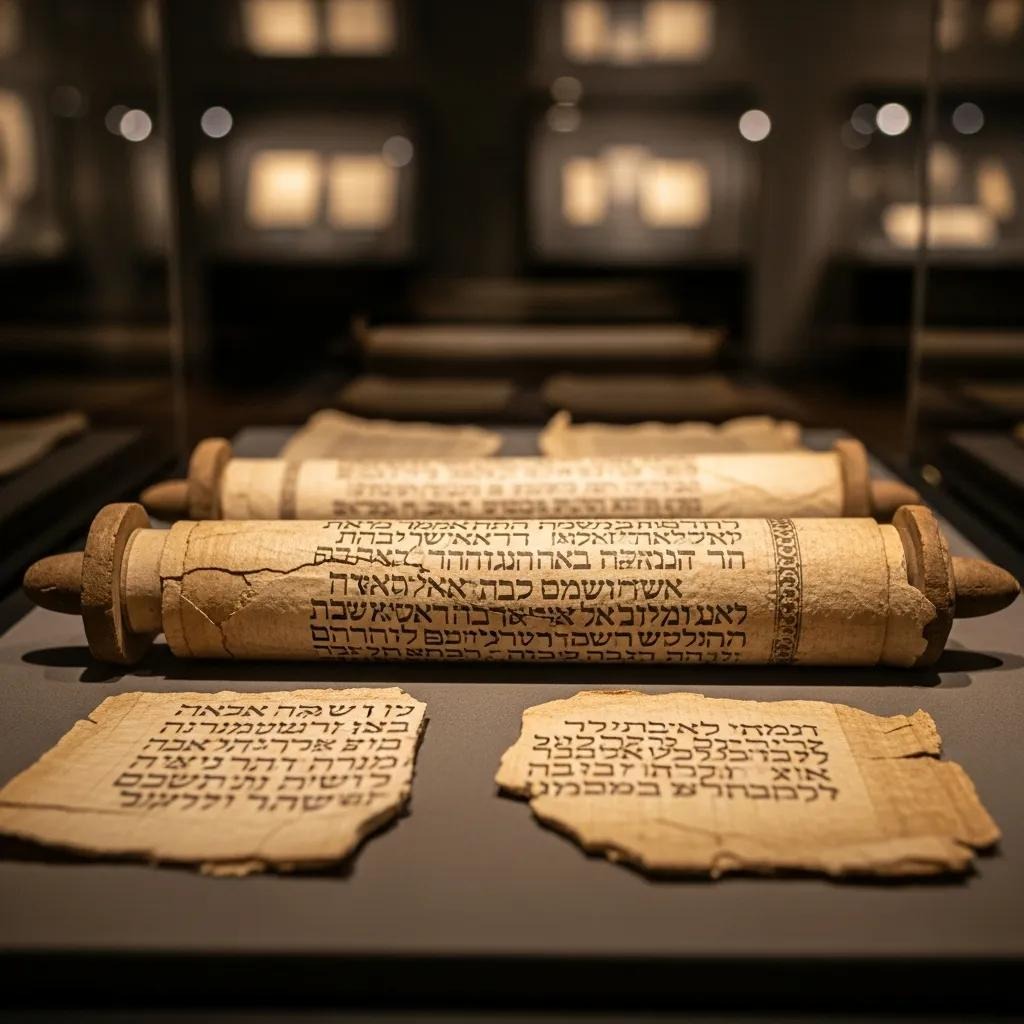
The oldest manuscripts of the Bible provide critical insights into its historical authenticity and transmission. These texts are invaluable for biblical scholarship and understanding the development of the biblical canon.
How Do the Dead Sea Scrolls Authenticate Biblical Age?
The Dead Sea Scrolls, discovered in the mid-20th century, date from the 3rd century BCE to the 1st century CE. These scrolls include some of the oldest known copies of biblical texts, such as portions of Isaiah and Psalms. Their discovery has confirmed the general accuracy of the biblical texts over centuries, demonstrating the careful preservation of these sacred writings.
The meticulous preservation of these ancient texts is a testament to the long-standing practice of biblical textual criticism, a discipline dedicated to maintaining the integrity of sacred writings. As you reflect on how carefully Scripture has been preserved, you can explore FaithTime features like Bible reading trackers, devotional plans, and prayer journals that help you engage these ancient writings with consistent daily habits.
What Is the Septuagint and Why Is It Important?
The Septuagint is the Greek translation of the Hebrew Scriptures, completed between the 3rd and 2nd centuries BCE. It is significant for several reasons:
- Cultural Impact: It made the Hebrew Scriptures accessible to the Greek-speaking world.
- Early Christianity: Many early Christians used the Septuagint, influencing the New Testament’s language and themes.
- Textual Variants: It provides insights into the textual history of the Old Testament, revealing variations and interpretations.
How Was the Biblical Canon Formed? The Process of Recognizing Sacred Texts
The formation of the biblical canon was a complex process involving various criteria and historical contexts. Understanding how these texts were recognized as sacred helps clarify their authority in religious traditions.
What Criteria Were Used to Include Books in the Old Testament?
The criteria for including books in the Old Testament canon varied among Jewish and Christian traditions but generally included:
- Prophetic or Historical Authority: Texts were often linked to recognized prophets or historical ps.
- Use in Worship and Teaching: Books widely used in religious practice were more likely to be included.
- Consistency with Established Beliefs: Theological consistency was important.
The specific criteria listed in the article (Apostolic Origin, Universal Acceptance, Consistent Theology) apply primarily to the New Testament canon rather than the Old Testament.
Indeed, the composition of the biblical canon has seen historical variations, particularly concerning the Old Testament across different Christian traditions.
How Did the New Testament Canon Develop Over Time?
The New Testament canon developed through a series of councils and debates among early church leaders. Key events include:
- Council of Hippo (393 CE): Recognized a canon similar to the current New Testament.
- Council of Carthage (397 CE): Affirmed the same canon, solidifying its acceptance.
This process highlights the early church’s efforts to define orthodoxy and preserve the integrity of Christian teachings.
What Are the Scholarly and Traditional Perspectives on Bible Dating?
Scholarly and traditional perspectives on dating the Bible often differ, reflecting various methodologies and beliefs about authorship and historical context.
How Do Scholars Date Biblical Texts Using Historical and Archaeological Evidence?
Scholars employ various methods to date biblical texts, including:
- Textual Analysis: Examining language, style, and content for historical clues.
- Archaeological Evidence: Correlating findings with biblical narratives to establish timelines.
- Historical Context: Considering historical events and ps mentioned in the texts.
These methods provide a framework for understanding the historical context of biblical writings.
Historically, the methods for dating biblical texts have evolved, with early scholarship often relying on explicit or implicit references and theological perspectives rather than linguistic analysis.
What Are the Traditional Views on the Bible’s Age and Authorship?
Traditional views often emphasize the divine inspiration of the Bible, asserting that its authors were guided by God. This perspective holds that the texts are timeless and relevant, regardless of their historical context. Understanding these views is essential for engaging with the faith-based interpretations of the Bible.
Why Does the Bible’s Age Matter Today? Its Relevance for Faith and Spiritual Growth
The age of the Bible holds significant relevance for contemporary faith and spiritual practices. Understanding its historical context can enhance one’s spiritual journey and connection to the text.
How Does Understanding Biblical History Enhance Spiritual Practices?
Understanding the historical context of the Bible can deepen one’s faith by:
- Providing Insight: Historical knowledge enriches the interpretation of biblical passages.
- Connecting with Tradition: Recognizing the continuity of faith through generations fosters a sense of belonging.
- Encouraging Reflection: Engaging with the Bible’s history prompts personal reflection on one’s beliefs and practices.
These aspects highlight the importance of biblical history in nurturing a vibrant spiritual life.
How Can FaithTime’s Tools Support Deeper Engagement with the Bible’s Ancient Origins?
Faithtime.ai offers tools designed to help users engage with the Bible’s ancient origins through daily devotionals and structured learning. Features include:
- Daily Goals: Short prayers and Bible verses to encourage consistent engagement.
- Historical Context: Insights into the historical background of biblical texts to enhance understanding.
- Community Support: Opportunities for users to share insights and grow together in faith.
These tools can significantly enhance one’s journey through the Bible, making its ancient wisdom accessible and relevant today.
EAV Table: Oldest Bible Manuscripts and Their Significance
Different manuscripts provide unique insights into the biblical texts and their historical significance.
| Manuscript | Date Range | Significance |
|---|---|---|
| Dead Sea Scrolls | 3rd century BCE – 1st century CE | Oldest known biblical texts, confirming textual accuracy |
| Codex Sinaiticus | 4th century CE | One of the earliest nearly complete manuscripts of the Christian Bible |
| Codex Vaticanus | 4th century CE | Important for textual criticism and understanding early Christian texts |
List of Key Figures in Biblical Authorship
- Moses: Traditionally credited with the Pentateuch, shaping the foundation of Jewish law and identity.
- David: A significant p in the Psalms, reflecting the heart of Israel’s worship.
- John the Apostle: His writings in the New Testament emphasize the divinity of Christ and the importance of love.
List of Criteria for Canonization of Biblical Texts
- Apostolic Origin: Texts must be linked to an apostle or their close associates.
- Widespread Acceptance: Books needed to be recognized by the early church communities.
- Theological Consistency: Writings had to align with established Christian beliefs.
List of Benefits of Understanding the Bible’s Age
- Enhanced Interpretation: Historical context enriches the understanding of biblical passages.
- Strengthened Faith: Knowledge of the Bible’s history fosters a deeper connection to its teachings.
- Informed Discussions: Engaging with the Bible’s age equips believers to discuss their faith more effectively.
If you want to keep exploring the Bible’s historical background and how its ancient manuscripts came together, FaithTime offers resources that build on what you learned in this article. You can go deeper with Bible lessons that explain the formation of Scripture and how scholars understand its timeline, and use the Christian glossary to look up key terms related to inspiration, canon, and manuscripts in simple language. As you keep studying, the FaithTime homepage gives you access to more tools for Bible study and spiritual growth, and you may also find it helpful to read focused guides such as books in the Bible and Holy Habits to connect the Bible’s ancient origins with a consistent, practical pattern of reading and living out Scripture today.