For believers, historians, and the curious alike, stepping into a museum of the bible offers a unique opportunity to walk through the pages of history. These institutions bridge the gap between ancient texts and the modern world, preserving artifacts that tell the story of the most influential book ever written.
Whether you are looking for a massive, high-tech immersive experience or a quiet gallery of rare manuscripts, this guide explores the top destinations dedicated to biblical history. Here are the must-visit museums where scripture comes to life.
1. Museum of the Bible (Washington, D.C.)
As the most prominent institution bearing the exact keyword name, the Museum of the Bible in Washington, D.C., is a world-class facility located just blocks from the U.S. Capitol. Opened in 2017, this massive 430,000-square-foot museum is dedicated to the history, narrative, and impact of the Bible.
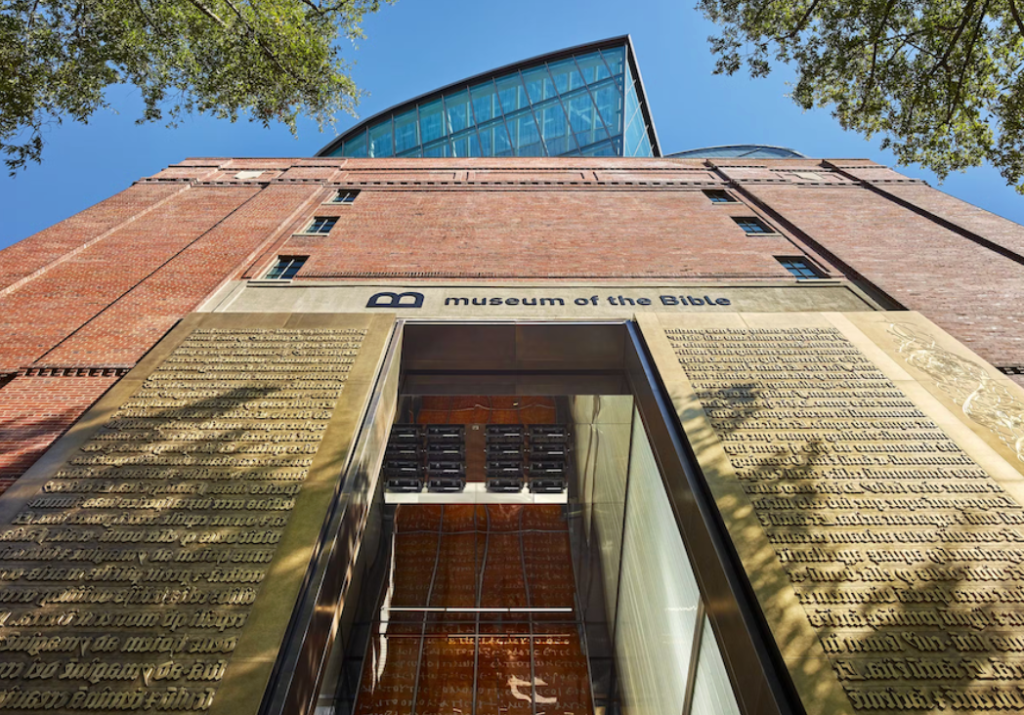
- Location: 400 4th St SW, Washington, DC 20024, USA
- Website: museumofthebible.org
What to Expect:
The museum features arguably the most technologically advanced exhibits in the world. Visitors can walk through a recreation of the World of Jesus of Nazareth, see rare fragments of the Dead Sea Scrolls, and explore the “Impact of the Bible” floor which details how scripture has influenced fashion, government, and music. It is an immersive experience that often requires more than one day to fully appreciate.
2. The Israel Museum & Shrine of the Book (Jerusalem)
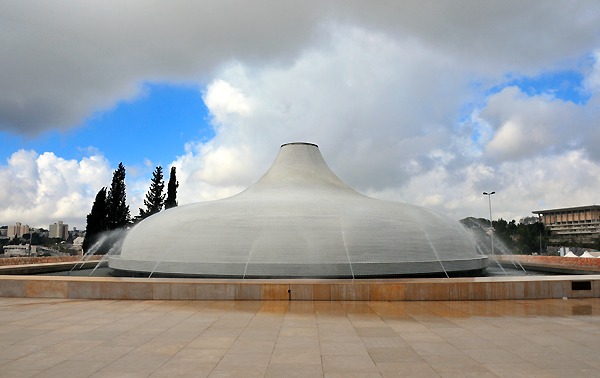
While not exclusively a “bible museum,” the Israel Museum houses the most significant biblical archaeological find in history: the Dead Sea Scrolls. For anyone seeking the authentic roots of the scriptures, this is the ultimate pilgrimage.
- Location: Derech Ruppin 11, Jerusalem, Israel
- Website: imj.org.il
What to Expect:
The centerpiece is the Shrine of the Book, a distinctively shaped white dome housing the first seven Dead Sea Scrolls discovered at Qumran. The museum also features a massive open-air model of Jerusalem during the Second Temple period, giving visitors a clear visual of what the city looked like during the time of Jesus.
3. Biblical History Center (LaGrange, Georgia)
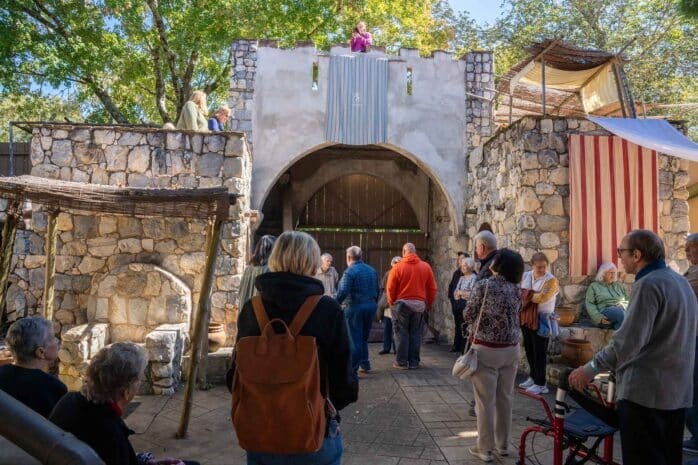
Formerly known as the Explorations in Antiquity Center, this biblical history museum focuses on the context of scripture. It moves beyond glass cases to offer a “living museum” experience.
- Location: 130 Gordon Commercial Dr, LaGrange, GA 30240, USA
- Website: biblicalhistorycenter.com
What to Expect:
This center specializes in recreating the ancient Middle Eastern world. You can sit in a reconstructed goat-hair tent like Abraham’s, dine at a Roman-period triclinium (three-sided table) for a biblical meal, and walk through tombs and olive presses. It is an excellent destination for those asking, “What was daily life actually like in biblical times?”
4. Museum of Biblical Art (Dallas, Texas)
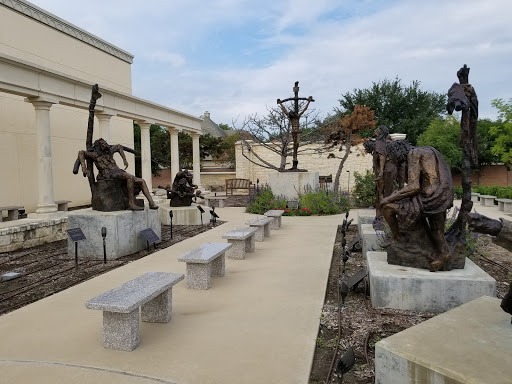
For those who appreciate scripture through the lens of creativity, the Museum of Biblical Art in Dallas offers a distinct experience. It focuses on how the Bible has inspired artists across centuries.
- Location: 7500 Park Ln, Dallas, TX 75225, USA
- Website: biblicalarts.org
What to Expect:
The galleries display Jewish and Christian art, including rare Bibles, sculpture, and lithographs. A highlight is the Via Dolorosa Sculpture Garden, inviting quiet reflection. It showcases how the narrative of the Bible has been visually interpreted by diverse cultures throughout history.
5. The Bible Museum (Goodyear, Arizona)
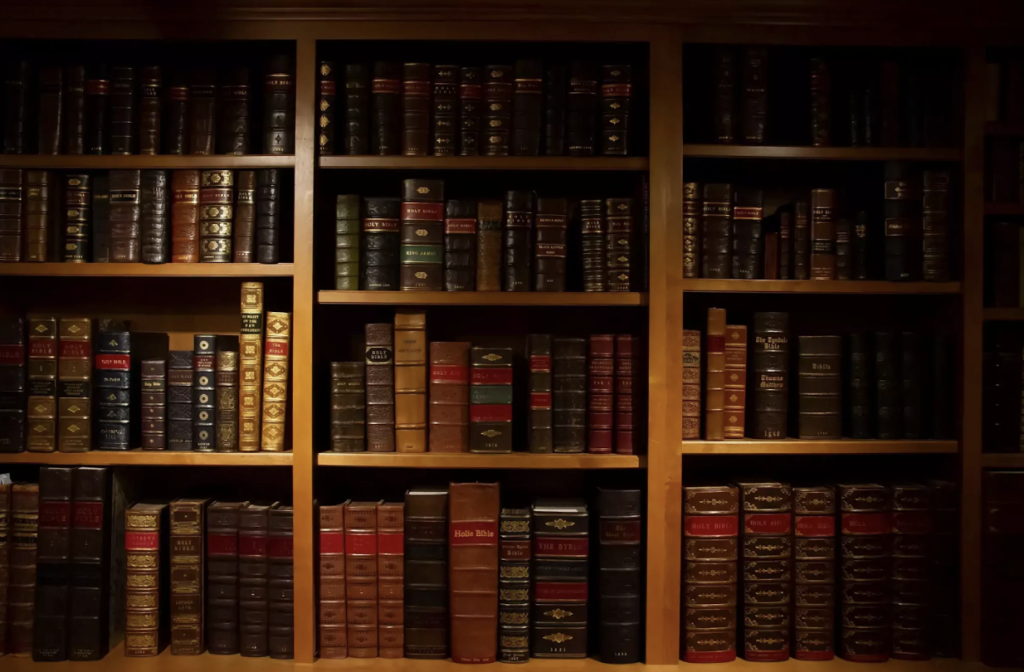
This specialized museum of the bible focuses heavily on the text itself—specifically the history of the English Bible. It is a haven for bibliophiles and those interested in the translation and preservation of scripture.
- Location: 2000 N Litchfield Rd, Goodyear, AZ 85395, USA
- Website: thebiblemuseum.com
What to Expect:
The collection includes rare theological works, Hebrew scrolls, and first editions of the King James Bible. The exhibits trace the often dangerous history of translating the Bible into English, highlighting figures like William Tyndale and John Wycliffe.
6. The British Museum (London, UK)
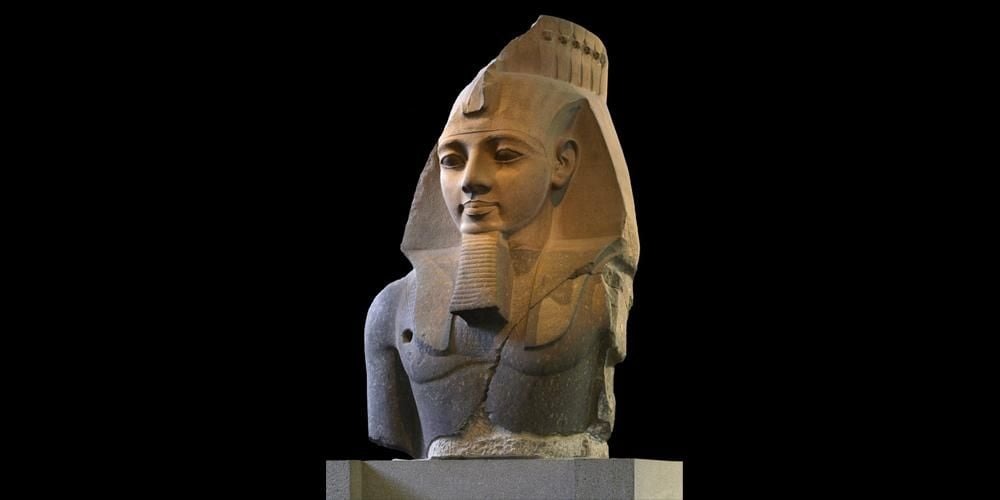
Like the Israel Museum, the British Museum is a general history museum, but it contains one of the highest concentrations of biblical archaeology artifacts outside the Middle East.
- Location: Great Russell St, London WC1B 3DG, UK
- Website: britishmuseum.org
What to Expect:
Here you can see the Cyrus Cylinder (confirming the biblical account of Cyrus the Great freeing the captives), the Black Obelisk of Shalmaneser III (depicting King Jehu of Israel), and reliefs from the palace of Sennacherib at Nineveh. They offer specialized “Bible Tours” that guide visitors specifically to artifacts mentioned in scripture.
7. The Corinium Museum (Cirencester, UK)
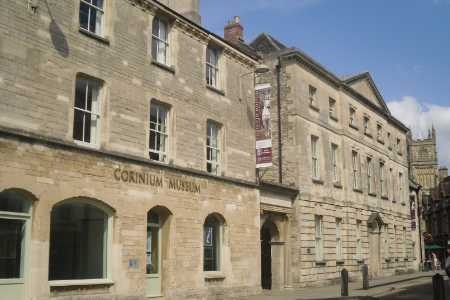
While smaller and focused on Roman history, this museum provides excellent context for the New Testament era, particularly regarding Roman rule and early Christianity in Britain.
- Location: Park St, Cirencester GL7 2BX, UK
- Website: coriniummuseum.org
What to Expect:
The museum holds the famous “Sator Square,” a palindrome word square often associated with early Christians. It provides a fascinating look at how the Roman world—the backdrop of the New Testament—functioned in daily life.
Plan Your Biblical Museum Journey Today
Visiting a museum of the bible or a center for biblical history is more than just a sightseeing trip; it is an educational journey that deepens one’s understanding of the text. Whether you visit the high-tech halls of Washington D.C. or the ancient stones of Jerusalem, these locations provide tangible evidence of the stories that have shaped faith for millennia.
Plan your visit: Before traveling, always check the official websites listed above for the most current operating hours and ticket prices.
For more lessons and knowledge on the Bible, you can checkFaith app and our Bible-related content.
When you visit Bible museums and see ancient manuscripts, archaeological discoveries, and historical timelines, it can be helpful to pair those experiences with at‑home learning through our Bible lessons and follow‑up studies like How Old Is the Bible? and best order the Bible, which walk through canon formation, key dates, and practical reading paths so the artifacts, locations, and stories you encounter in these museums connect more deeply with your ongoing study of Scripture.