
The Bible, a cornerstone of faith for millions, is a compilation of texts that have shaped religious thought and practice throughout history. Understanding who made the Bible involves exploring its authors, the divine inspiration behind its creation, and the historical context in which it was compiled. This article will delve into the roles of both divine and human authors, the process of canonization, and the historical evidence supporting the Bible’s authorship. Many readers seek clarity on these topics to deepen their understanding of scripture and enhance their faith journey. By examining the authorship and compilation of the Bible, we can appreciate its significance and the profound impact it has on believers today. We will cover the role of divine inspiration, the contributions of human authors, the compilation process, the timeline of writing, and the historical evidence supporting the Bible’s authenticity. If you’re looking for a simple devotional app to help you respond to what you learn with daily Bible reading, reflection, and prayer, FaithTime offers guided content and gentle habit tools for your walk with God.
Scholarly perspectives often highlight the intricate and evolving nature of biblical texts throughout history.
What Is the Role of Divine Inspiration in Who Wrote the Bible?
Divine inspiration refers to the belief that the Bible was written under the guidance of God, making Him the primary author. This concept asserts that while human authors penned the texts, their writings were influenced by divine direction, ensuring the scriptures convey God’s message. The significance of divine inspiration lies in its assurance to believers that the Bible is not merely a collection of human thoughts but a sacred text with divine authority. Understanding this role is crucial for interpreting scripture and recognizing its spiritual depth.
Further research delves into the evidence supporting the divine inspiration of scripture, addressing modern skepticism.
How Does God Serve as the Primary Author of the Bible?
God is considered the primary author of the Bible because, according to theological beliefs, He inspired the human writers through the Holy Spirit. This divine influence ensured that the messages conveyed in the scriptures align with God’s will and purpose. Various passages in the Bible, such as 2 Timothy 3:16, affirm that all scripture is “God-breathed,” highlighting the belief that God’s hand guided the writing process. This understanding reinforces the Bible’s authority and its role as a spiritual guide for believers.
What Is the Meaning of Divine Inspiration in Scripture?
Divine inspiration in scripture means that the texts are viewed as having a sacred origin, transcending mere human authorship. Different theological perspectives interpret this concept in various ways, with some emphasizing the literal inspiration of every word, while others focus on the overarching messages and themes. For believers, recognizing the divine inspiration of the Bible enhances its significance, encouraging deeper engagement with the text and fostering a more profound faith experience.
Who Are the Human Authors of the Bible and Their Contributions?
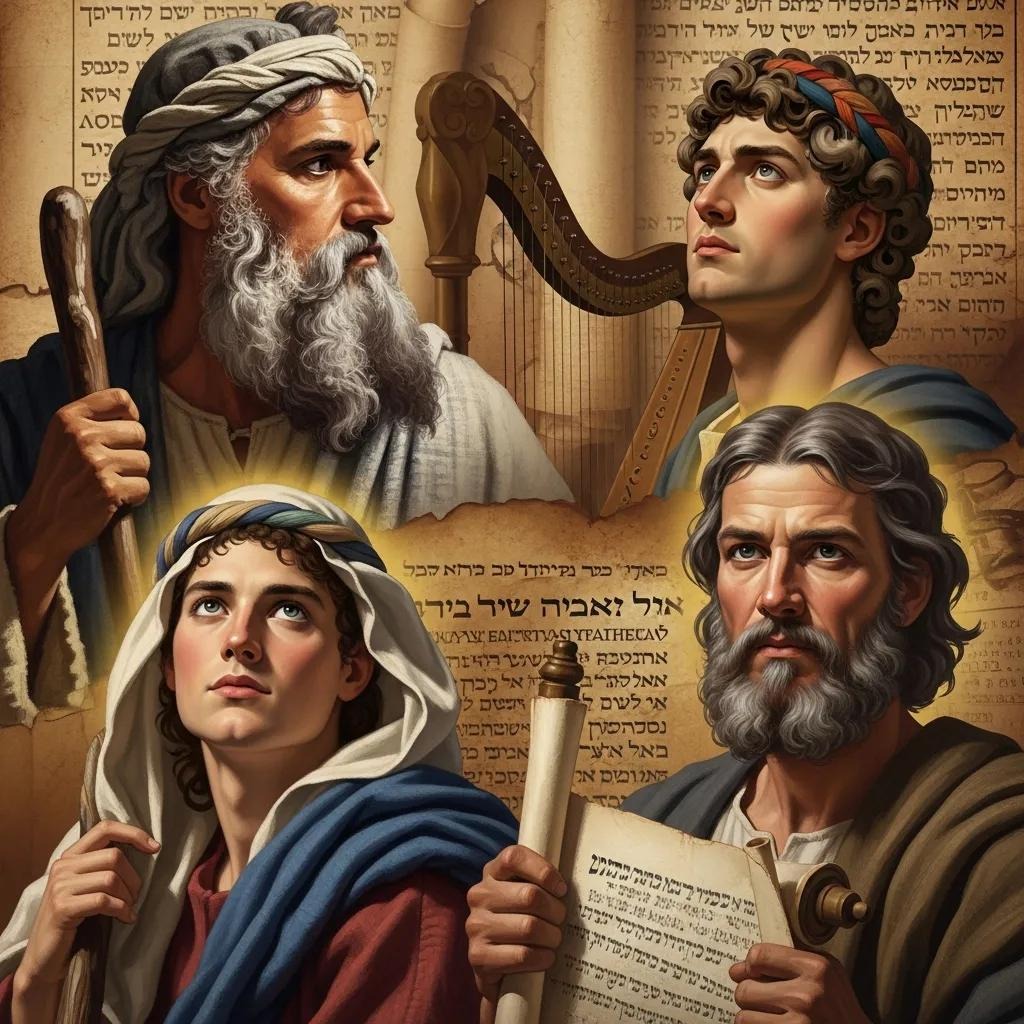
The Bible’s authorship includes a diverse group of individuals, each contributing unique perspectives and insights. Understanding these human authors and their roles is essential for appreciating the richness of the biblical narrative.
- Moses: Traditionally credited with writing the first five books of the Old Testament, known as the Pentateuch, Moses’ writings lay the foundation for Jewish law and history.
- David: As a key p in the Old Testament, King David is attributed with many of the Psalms, expressing deep emotional and spiritual reflections.
- Paul the Apostle: A significant New Testament author, Paul wrote several epistles that address early Christian communities, providing theological insights and practical guidance.
Which Key Figures Wrote the Old Testament Books?
- Moses: Credited with the Pentateuch, Moses’ writings encompass laws, history, and the covenant between God and Israel.
- Isaiah: A major prophet, Isaiah’s writings include prophecies about the coming Messiah and messages of hope and judgment.
- Solomon: Known for his wisdom, Solomon is traditionally associated with Proverbs, Ecclesiastes, and the Song of Solomon, offering insights into life and faith.
Who Authored the New Testament and Their Historical Context?
- Matthew: One of the twelve apostles, Matthew’s Gospel presents Jesus as the fulfillment of Old Testament prophecies.
- Mark: A companion of Peter, Mark’s Gospel is known for its urgency and focus on Jesus’ actions.
- Luke: A physician and companion of Paul, Luke’s writings provide a detailed account of Jesus’ life and the early church, emphasizing compassion and inclusivity.
How Was the Bible Compiled and the Canon Formed?

The compilation of the Bible involved a complex process of selecting and affirming texts deemed authoritative. Understanding this process sheds light on how the Bible came to be recognized as sacred scripture.
What Was the Process of Old Testament Canonization?
The canonization of the Old Testament occurred over centuries, with various councils and religious leaders evaluating texts for their theological significance and alignment with Jewish beliefs. Key factors in this process included:
- Historical Authenticity: Texts were assessed based on their historical context and authorship.
- Theological Consistency: Writings needed to align with established beliefs and teachings within the Jewish faith.
- Community Acceptance: The texts had to be widely accepted and used in worship and teaching within the Jewish community.
The Hebrew Bible canon was largely settled by the 2nd century AD, though some debates about certain books continued for centuries.
The process of canonization also involved debates and differences in accepted texts between Jewish traditions and the early Christian church.
How Did Early Church Councils Influence the New Testament Canon?
The formation of the New Testament canon was significantly influenced by early church councils, which convened to address theological disputes and affirm authoritative texts. Notable councils include:
- Council of Hippo (393 AD): This council played a crucial role in determining the New Testament canon, listing the 27 books recognized today.
- Council of Carthage (397 AD): This council affirmed the canon of the New Testament, recognizing the same 27 books as authoritative.
These councils ratified the canon that had been widely accepted by Christian communities by the late 4th century.
When Was the Bible Written? Understanding the Timeline of Biblical Writing
The timeline of biblical writing spans centuries, reflecting the historical and cultural contexts of its authors. Understanding this timeline is essential for grasping the development of biblical texts.
What Are the Key Dates for Old Testament Writings?
- Circa 1400-400 BC: The majority of the Old Testament texts were composed during this time, with Moses traditionally credited for the Pentateuch.
- 586 BC: The Babylonian Exile prompted the compilation and preservation of many texts, solidifying their importance in Jewish identity.
- Circa 200 BC: The Hebrew Bible canon was largely established by this time, though some books were debated until later.
When Were the New Testament Books Composed?
- Circa 50-60 AD: The earliest letters of Paul were written during this period, addressing various Christian communities.
- Circa 65-90 AD: The Gospels of Mark, Matthew, and Luke were composed, providing accounts of Jesus’ life and teachings.
- Circa 95-100 AD: The Book of Revelation, attributed to John, was written, concluding the New Testament canon.
What Historical Evidence Supports the Bible’s Authorship and Preservation?
Historical evidence plays a crucial role in validating the authorship and preservation of the Bible. Understanding this evidence enhances confidence in the text’s authenticity and reinforces the Bible’s role as a trustworthy foundation for faith and practice. As you respond to this foundation with your own reading and prayer life, you can explore FaithTime features like Bible reading trackers, devotional plans, and prayer journals that help you turn historical insight into consistent daily engagement with Scripture.
How Do Ancient Manuscripts Like the Dead Sea Scrolls Validate Biblical Texts?
Ancient manuscripts, particularly the Dead Sea Scrolls discovered in the mid-20th century, provide significant evidence for the Bible’s preservation. These scrolls include:
- Biblical Texts: Many scrolls contain portions of the Hebrew Bible, dating back to the third century BC to the first century AD, demonstrating the accuracy of biblical transmission over time.
- Cultural Context: The scrolls offer insights into the beliefs and practices of the Jewish community during the Second Temple period, enriching our understanding of the biblical narrative.
What Languages Were Used in Writing the Bible?
The Bible was originally written in three primary languages, each contributing to its rich textual tradition:
- Hebrew: The majority of the Old Testament was written in Hebrew, the language of the Jewish people.
- Aramaic: Portions of the Old Testament, particularly in Daniel and Ezra, were written in Aramaic, reflecting the linguistic context of the time.
- Greek: The New Testament was composed in Koine Greek, the lingua franca of the Eastern Mediterranean, facilitating the spread of Christianity.
For those interested in the organization behind these resources and our commitment to fostering faith, you can learn more about us.
How Can Understanding Biblical Authorship Enhance Your Faith Journey?
Understanding who made the Bible and the context of its writings can significantly enhance one’s faith journey. This knowledge fosters a deeper connection to the text and its teachings.
Why Is Knowing the Authors Important for Bible Study?
Recognizing the authors of biblical texts is crucial for effective Bible study. Understanding their backgrounds, motivations, and historical contexts can:
- Enhance Interpretation: Knowing the author’s intent helps readers grasp the meaning behind the text.
- Provide Context: Understanding the cultural and historical background enriches the reading experience.
- Encourage Application: Insights into the authors’ lives can inspire personal application of biblical principles.
How Does FaithTime Support Deeper Exploration of Who Made the Bible?
Faith app offers resources designed to support users in their exploration of biblical authorship and scripture. The app features:
- Daily Devotions: Short prayers and Bible verses that encourage daily engagement with scripture.
- Bible Study Tools: Resources that help users delve deeper into the context and meaning of biblical texts.
- Community Support: A platform for sharing insights and discussing interpretations with others, fostering a supportive faith community.
If you have further questions or wish to provide feedback, please feel free to contact us.
If this article has sparked your curiosity about how the Bible came together, you can keep exploring with focused studies like How Old Is the Bible? and How Many Books?, which walk through timelines, canons, and key historical decisions so you can see how the same Scriptures you read today were recognized, preserved, and organized across centuries.