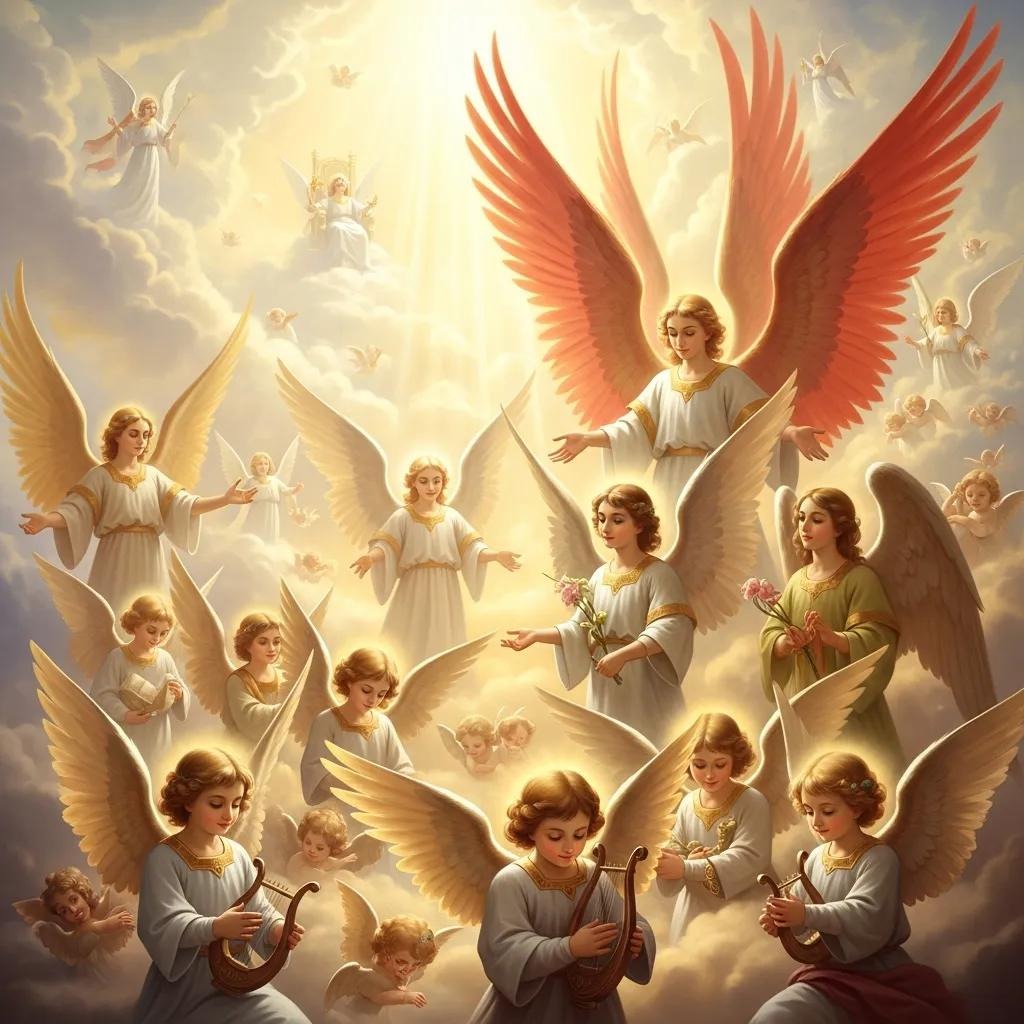
Angels are fascinating beings mentioned throughout the Bible, serving as messengers and agents of God. This article delves into the various types of angels described in biblical texts, their roles, and the significance they hold in Christian faith. Readers will gain insights into the characteristics of angels, their appearances, and the angelic hierarchy as outlined in scripture. If you’d like a simple devotional app to help you reflect on passages about angels through daily Scripture and prayer, FaithTime can gently support your time with God. Many people seek to understand the divine interactions that angels represent, as they often play crucial roles in biblical narratives. This exploration will cover the different types of angels, their descriptions, and the lessons learned from their appearances in the Bible.
What Are the Different Types of Angels in the Bible?
The Bible describes several distinct types of angels, each with unique characteristics and roles. Understanding these types helps illuminate their functions within biblical narratives and their significance in the spiritual realm. The primary types of angels include cherubim, seraphim, archangels, and guardian angels, each serving specific purposes in God’s plan. You can explore more “bible lessons” on this topic.
Who Are the Cherubim and What Are Their Biblical Descriptions?
Cherubim are often depicted as powerful beings associated with the presence of God. They are described in various passages, including Genesis and Ezekiel, where they guard the Garden of Eden and the throne of God. Cherubim are typically portrayed with multiple wings and multiple faces, symbolizing their role as guardians and messengers. Their physical descriptions emphasize their majestic and awe-inspiring nature, reflecting their closeness to the divine.
For a deeper dive into the specific imagery of cherubim, particularly as depicted in Ezekiel, consider the following scholarly perspective.
What Defines Seraphim and Their Scriptural Appearances?
Seraphim are another type of angel mentioned in the Bible, particularly in the book of Isaiah. They are characterized by their six wings and their role in worshiping God. The term “seraphim” means “burning ones,” which signifies their purity and holiness. In Isaiah’s vision, seraphim are seen praising God and proclaiming His holiness, highlighting their function as worshipers in the heavenly realm.
Further scholarly research provides a comprehensive examination of both cherubim and seraphim, tracing their descriptions throughout the Old Testament.
How Are Angels Described in Scripture?
Angels are described in various ways throughout the Bible, with their appearances often reflecting their divine nature and purpose. The descriptions can vary significantly, from their physical forms to the symbolism they embody. For additional information, you can read more about the topic.
What Are the Physical Appearances of Angels in the Old Testament?
In the Old Testament, angels are depicted in various forms, sometimes appearing as ordinary men and at other times as radiant beings. For instance, in Genesis, angels visit Abraham in human form, while in Ezekiel, they are described with multiple faces and wings. These varying appearances serve to convey their roles as messengers and agents of God’s will, emphasizing their ability to interact with humanity.
What Symbolism Do Angels Represent in Biblical Texts?
Angels symbolize various theological concepts in the Bible, including divine protection, guidance, and the presence of God. They often serve as intermediaries between God and humanity, conveying messages of hope, warning, or instruction. The symbolism of angels can also be seen in their roles during significant biblical events, such as the Annunciation to Mary, where the angel Gabriel brings the message of Jesus‘ birth.
What Is the Angelic Hierarchy According to the Bible?
The angelic hierarchy is a structured order of angels, each with specific roles and responsibilities. This hierarchy is often referenced in theological discussions about the nature of angels and their functions in the spiritual realm.
How Is the Angelic Hierarchy Structured in Scripture?
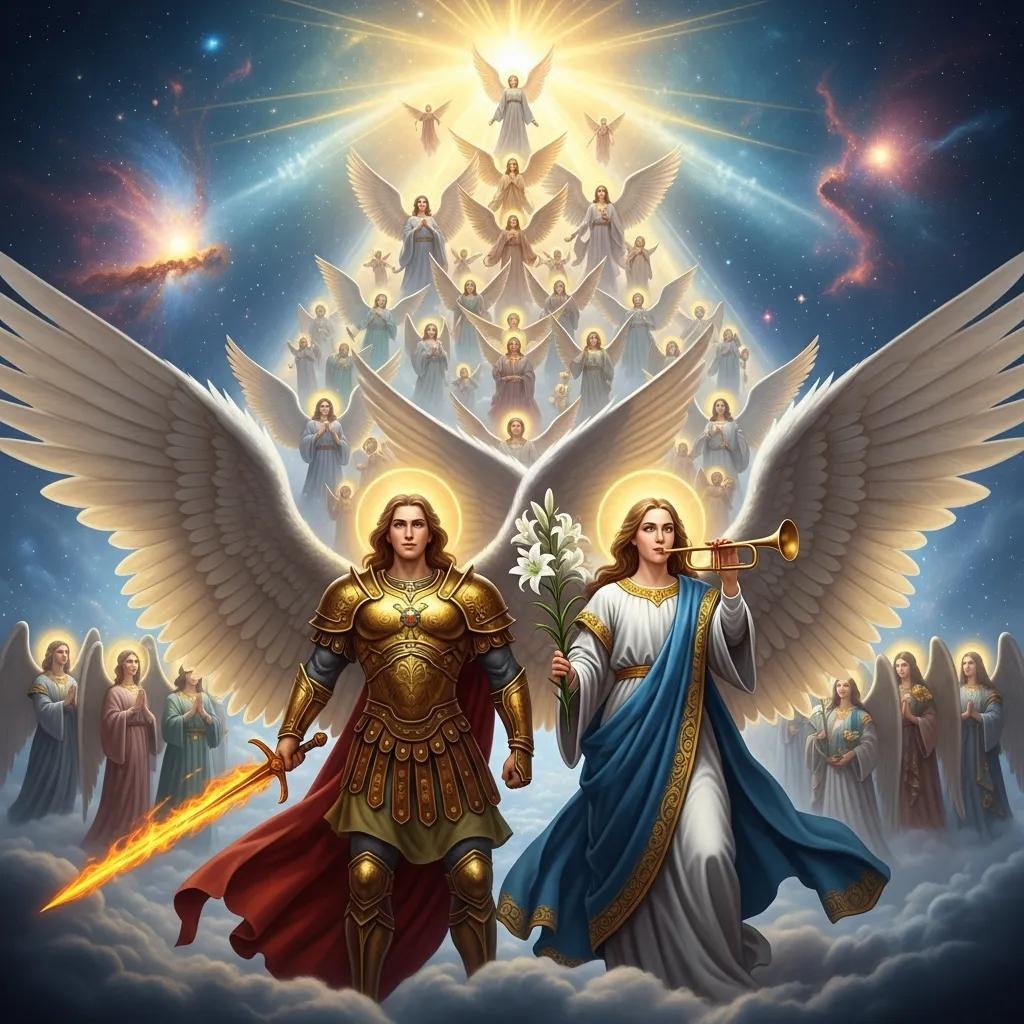
Scripture suggests a hierarchy among angels, with different ranks and orders. The most commonly referenced categories include archangels, principalities, powers, and virtues. Archangels, such as Michael and Gabriel, are often seen as leaders among angels, tasked with significant missions. This structured hierarchy reflects the organized nature of God’s creation and the specific roles assigned to each type of angel.
To gain a more profound understanding of the unseen yet influential nature of angels and their structured orders, consider this academic exploration.
What Roles Do Archangels Play in Biblical Narratives?
Archangels play crucial roles in biblical narratives, often serving as protectors and messengers. For example, Michael is depicted as a warrior angel who fights against evil forces, while Gabriel serves as a messenger, delivering important announcements from God. Their roles highlight the active involvement of angels in the unfolding of God’s plan and their commitment to serving His purposes.
What Is the Meaning and Role of Angels in Christian Faith?
In Christian faith, angels hold significant meaning as they represent God’s presence and His care for humanity. They are seen as protectors, guides, and messengers, playing vital roles in the spiritual lives of believers. If you want practical help staying close to God in daily life, you can explore FaithTime features like Bible reading trackers, devotional plans, and prayer journals that support a steady rhythm of Scripture and prayer.
How Do Angels Influence Prayer and Spiritual Life?
Angels are believed to influence prayer and spiritual life by interceding on behalf of individuals. Many Christians view angels as guardians who offer protection and guidance, encouraging believers in their faith journeys. The presence of angels can provide comfort and reassurance, reminding individuals of God’s constant care and support.
What Are the Theological Significances of Angels in Scripture?
Theologically, angels serve as messengers of God, conveying His will and purpose to humanity. They embody the concept of divine communication, illustrating how God interacts with His creation. The significance of angels extends beyond mere messengers; they represent the spiritual reality of God’s kingdom and the ongoing battle between good and evil.
Which Biblical Stories Feature Angels and What Do They Reveal?
Angels appear in numerous biblical stories, each interaction revealing deeper truths about God’s nature and His relationship with humanity. These narratives often highlight the transformative power of divine encounters.
How Do Angels Interact with Humans in Key Bible Passages?
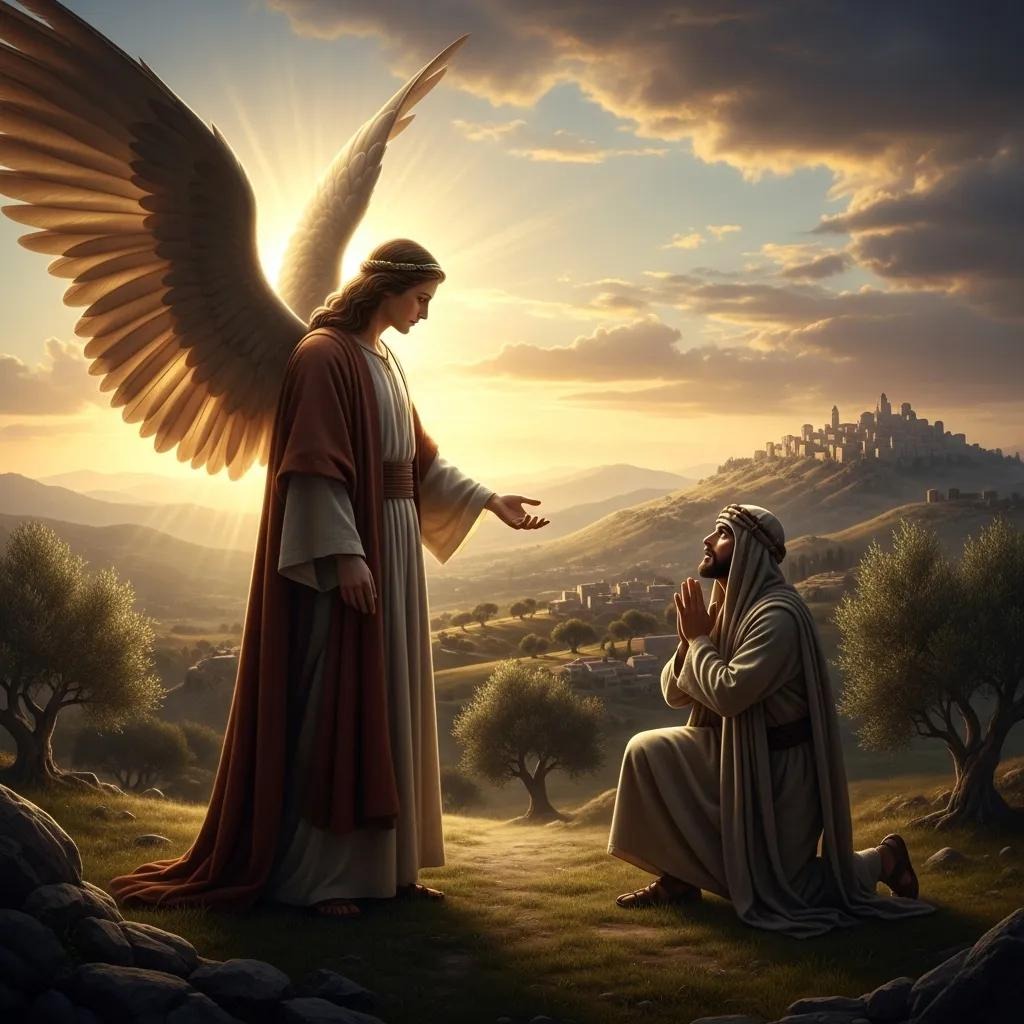
In key passages, angels interact with humans in profound ways, often delivering messages of hope or warning. For instance, the angel Gabriel‘s announcement to Mary about the birth of Jesus signifies a pivotal moment in salvation history. Such interactions emphasize the importance of divine communication and the role of angels in guiding and supporting individuals in their faith.
What Lessons Do Angelic Appearances Teach in the Old Testament?
Angelic appearances in the Old Testament teach valuable lessons about faith, obedience, and God’s sovereignty. For example, the encounter between Jacob and the angel at Peniel illustrates the transformative power of divine encounters and the importance of wrestling with one’s faith. These stories encourage believers to recognize the presence of angels in their lives and the lessons they impart about trusting in God’s plan.
To further explore these topics, consider visiting Faith app for more resources.
If you have any questions or need assistance, you can contact us for support.
For a comprehensive understanding, you might also want to explore additional content on related subjects.
Frequently Asked Questions
What is the significance of guardian angels in the Bible?
Guardian angels are believed to be assigned to individuals to provide protection and guidance throughout their lives. While the Bible does not explicitly mention the term “guardian angel,” passages such as Psalm 91:11 suggest that God commands His angels to guard His people. This concept emphasizes the personal care God has for each believer, illustrating how angels serve as divine protectors and helpers in times of need, reinforcing the idea of God’s constant presence in our lives.
How do angels communicate with humans according to scripture?
Angels communicate with humans primarily through messages from God, often delivering important announcements or guidance. In the Bible, angels appear in dreams, visions, or as physical beings to convey divine messages. For instance, the angel Gabriel speaks directly to Mary to announce the birth of Jesus. This direct communication highlights the role of angels as intermediaries between God and humanity, emphasizing their purpose in facilitating divine interaction and guidance in our lives.
Are there any specific prayers to angels in Christian tradition?
While the Bible does not prescribe specific prayers to angels, many Christian traditions include prayers asking for the intercession of angels, particularly guardian angels. These prayers often express a desire for protection, guidance, and support. For example, the “Angel of God” prayer is a common invocation for one’s guardian angel. Such practices reflect the belief in angels as protectors and helpers, encouraging believers to seek their assistance in spiritual matters and daily life.
What role do angels play in the end times according to biblical prophecy?
In biblical prophecy, angels play significant roles during the end times, often acting as agents of God’s judgment and messengers of His will. For instance, the Book of Revelation describes angels sounding trumpets to announce various judgments and events. They are also depicted as gathering the faithful and executing God’s final plans. This highlights the active involvement of angels in the fulfillment of God’s promises and the ultimate establishment of His kingdom, emphasizing their importance in eschatological narratives.
How do different cultures interpret angels outside of the Bible?
Different cultures have various interpretations of angels, often influenced by their religious beliefs and traditions. In Islam, for example, angels are seen as created beings who serve God and carry out His commands, similar to the biblical view. Other cultures may have unique representations of angelic beings, often embodying concepts of protection, guidance, or divine intervention. These interpretations reflect the universal human fascination with the divine and the desire for connection with higher powers, showcasing the diverse understanding of angels across cultures.
What are the common misconceptions about angels in popular culture?
Common misconceptions about angels in popular culture include the portrayal of angels as cute, winged beings who are primarily messengers of comfort. While angels do deliver messages of hope, biblical descriptions often depict them as powerful, awe-inspiring entities with significant authority. Additionally, many people mistakenly believe that everyone has a personal guardian angel, while the Bible suggests that angels are assigned specific roles and missions. These misconceptions can dilute the profound spiritual significance and complexity of angels as described in scripture.
If learning about different types of angels has opened your eyes to the unseen ways God works, using a dedicated faith app can help you respond with daily prayer, Scripture reading, and worship that keeps your heart focused on His presence. To keep exploring what the Bible actually teaches about angels and the spiritual realm, you can dive into structured Bible lessons and our clear Bible glossary, which explain terms like cherubim, seraphim, and other theological words in simple language. If you want to connect these truths to your everyday life, you might also appreciate a helpful overview of angel numbers from a biblical perspective and an encouraging daily devotion on God’s strength in weakness, showing how the God who commands angel armies is also near to you in your ordinary struggles.