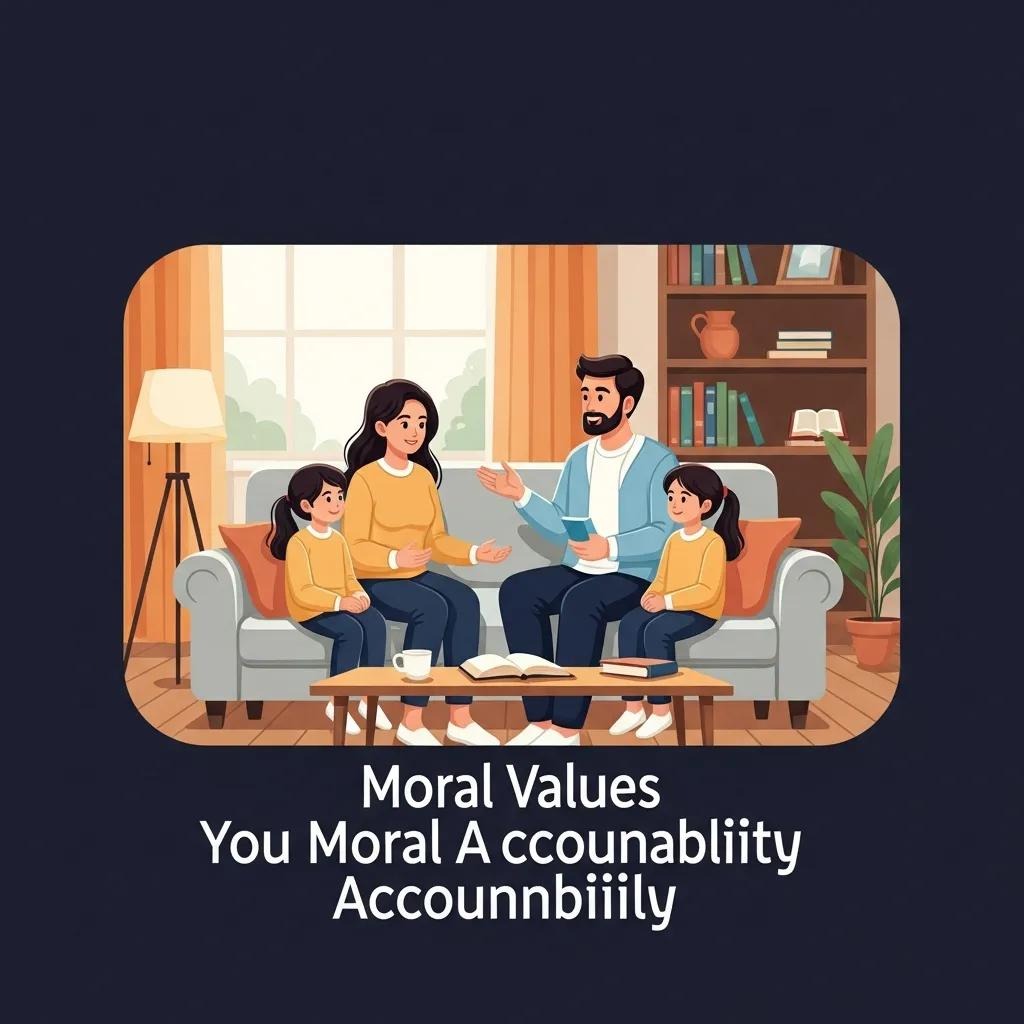
The age of accountability is a significant concept in biblical teachings, representing the point at which individuals are considered morally responsible for their actions. This article delves into the age of accountability in the Bible, exploring its implications for moral understanding and child salvation. Readers will gain insights into how scripture defines moral responsibility, the age at which accountability begins, and the theological implications of this age. Many parents and faith communities grapple with understanding when children become accountable for their actions, and this exploration offers clarity and guidance. We will examine key biblical verses, denominational interpretations, and practical applications for faith communities, providing a comprehensive overview of this important topic.
What Is the Age of Accountability According to Biblical Teachings?
The age of accountability refers to the stage in a person’s life when they are deemed capable of understanding right from wrong and are held responsible for their actions. This concept is rooted in biblical teachings, where moral responsibility is often linked to an individual’s ability to comprehend sin and its consequences. Understanding this age is crucial for parents and educators in guiding children through their spiritual development.
How Does Scripture Define Moral Responsibility and Sin?
Scripture outlines moral responsibility through various passages that emphasize the importance of understanding sin. For instance, Romans 3:23 states,
“For all have sinned and fall short of the glory of God,”
Which Bible Verses Address the Concept of Accountability?

Several Bible verses address the concept of accountability, providing a framework for understanding when individuals are responsible for their actions. Notable verses include:
- Deuteronomy 1:39: This verse indicates that children who do not yet know good from evil will enter the Promised Land, suggesting a protective grace for those not yet accountable.
- Matthew 18:10: Here, Jesus emphasizes the value of children, indicating that they have a special status in the eyes of God, which may imply a different standard of accountability.
- Isaiah 7:15-16: This passage speaks of a child knowing enough to refuse evil and choose good, further illustrating the concept of moral understanding.
These verses collectively contribute to the understanding of the age of accountability in biblical context.
When Does Accountability Begin Biblically? Exploring the Age of Moral Responsibility
Determining when accountability begins biblically involves examining various interpretations and scriptural references. Different denominations and theological perspectives offer insights into this critical question.
What Is the Biblical Age of Responsibility for Children?
The biblical age of responsibility for children is not explicitly defined in scripture, leading to various interpretations. Many theologians suggest that this age is typically around the age of twelve, as seen in Jewish tradition when children are considered to reach maturity during their Bar or Bat Mitzvah. This age is often associated with the ability to understand and engage with the law, marking the transition into moral responsibility.
How Do Different Denominations Interpret the Age of Accountability?
Denominational interpretations of the age of accountability vary significantly. For instance:
- Baptist Tradition: Many Baptists believe that accountability begins when a child can understand the gospel and the concept of sin, often around the age of seven to twelve.
- Catholic Tradition: The Catholic Church teaches that children are born with original sin but are not held accountable until they reach the age of reason, typically around seven years old.
- Methodist Tradition: Methodists often emphasize the importance of personal faith and understanding, suggesting that accountability begins when a child can comprehend their relationship with God.
These differing views highlight the complexity of determining the age of accountability within Christian communities.
What Are the Theological Implications of the Age of Accountability?
The age of accountability carries significant theological implications, particularly concerning sin and salvation. Understanding these implications is essential for both individuals and faith communities.
How Does Accountability Relate to Sin and Salvation?
Accountability is intrinsically linked to the concepts of sin and salvation. Theologically, it is believed that individuals who have not reached the age of accountability are not held responsible for their sins, thus not in need of salvation in the same way as adults. This perspective offers comfort to parents, assuring them that young children who pass away are received into God‘s grace.
Further exploring the profound nature of salvation, one source delves into its moral and spiritual foundations, highlighting God‘s initiative and humanity’s fall.
Expanding on the concept, another perspective clarifies salvation as a divine act of deliverance from negative conditions, requiring a human response.
What Are Contemporary Theological Perspectives on Moral Development?
Contemporary theological perspectives on moral development emphasize the importance of nurturing a child’s understanding of right and wrong. Many theologians advocate for a holistic approach that includes spiritual, emotional, and cognitive development. This perspective encourages parents and educators to engage children in discussions about morality and faith, fostering an environment where they can grow in their understanding of accountability.
How Can Faith Communities Apply the Age of Accountability in Practice?
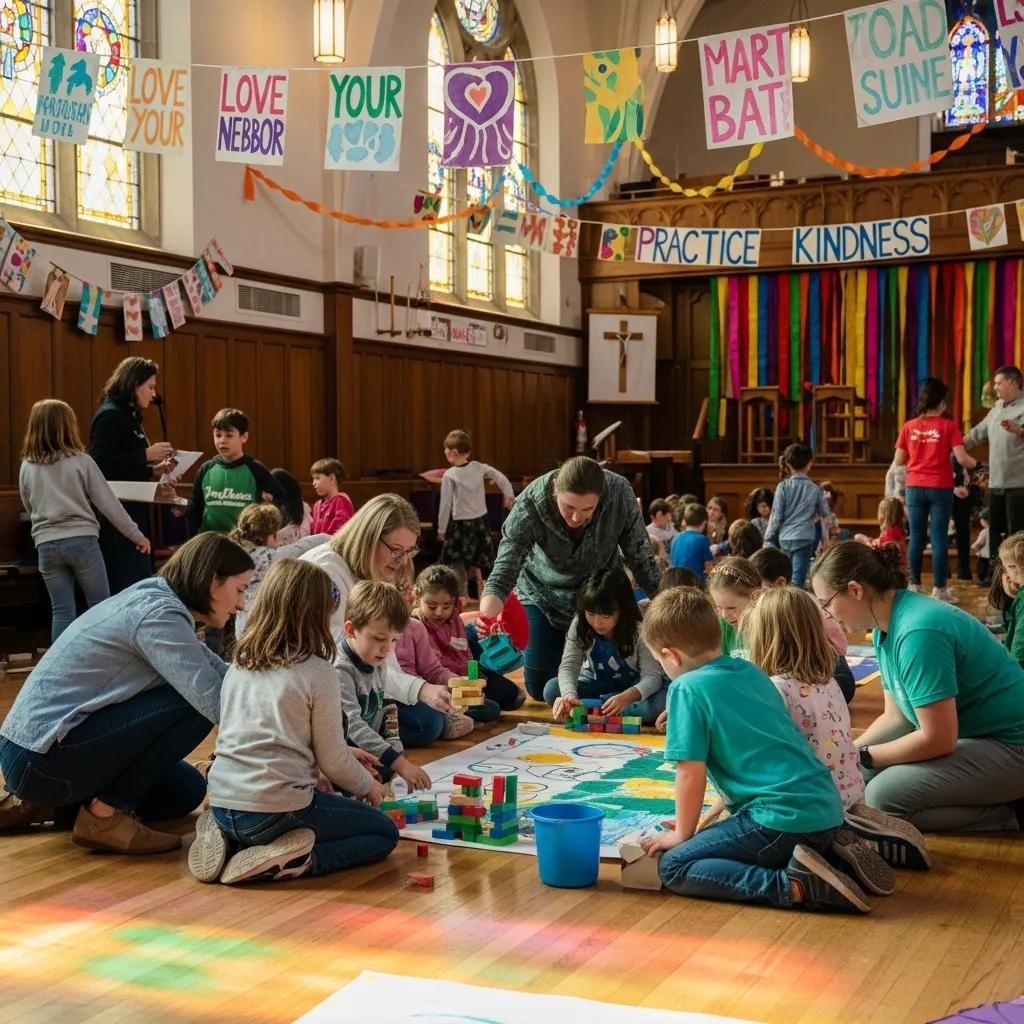
Faith communities play a crucial role in teaching the age of accountability and its implications for moral development. Practical applications can help guide children in their spiritual journeys.
What Practical Guidance Does the Bible Offer for Teaching Accountability?
The Bible provides several principles for teaching accountability to children:
- Modeling Behavior: Parents and leaders should exemplify moral behavior, demonstrating the importance of accountability in their actions.
- Open Discussions: Engaging children in conversations about right and wrong helps them develop their understanding of moral responsibility.
- Scriptural Education: Teaching children relevant Bible verses can reinforce the concept of accountability and its significance in their lives.
These practices can help children grasp the importance of accountability in their spiritual growth.
The crucial role of parents and the broader Christian community in nurturing a child’s moral development is further emphasized by research on Christian parenting.
How Can Community Support Foster Spiritual Growth in Children?
Community support is vital in fostering spiritual growth among children. Faith communities can implement programs that encourage accountability through:
- Mentorship Programs: Pairing children with mentors can provide guidance and support as they navigate their moral development.
- Group Activities: Engaging children in group activities that emphasize teamwork and ethical decision-making can reinforce the principles of accountability.
- Family Involvement: Encouraging families to participate in church activities fosters a sense of community and shared responsibility in teaching children about accountability.
These initiatives can create a supportive environment that nurtures children’s spiritual growth.
What Are Common Questions About the Age of Accountability?
Many individuals have questions regarding the age of accountability, reflecting the complexities of this theological concept.
Does the Bible Specify a Specific Age for Accountability?
The Bible does not specify a particular age for accountability, leading to various interpretations among theologians and denominations. This ambiguity allows for flexibility in understanding how different cultures and communities approach the concept of moral responsibility.
How Do Different Christian Traditions View Moral Responsibility in Children?
Different Christian traditions offer unique perspectives on moral responsibility in children. While some emphasize a specific age, others focus on the child’s ability to understand moral concepts. This diversity highlights the importance of context in interpreting the age of accountability and its implications for faith and practice. If you want practical tools to support steady Bible reading, prayer, and reflection as you think through these questions, you can explore FaithTime features that help you build simple, consistent spiritual habits.
| Denomination | Age of Accountability | Key Beliefs |
|---|---|---|
| Baptist | 7-12 years | Understanding of sin and the gospel |
| Catholic | Around 7 years | Age of reason; original sin |
| Methodist | Varies | Personal faith and understanding |
To further explore this topic, consider visiting “Bible lessons” on Faithtime , where you can find resources to deepen your understanding.
For more information, you can read about Faithtime’s mission and values.
If you have any questions or would like to get in touch, please visit our contact page.
Frequently Asked Questions
What factors influence the age of accountability in different cultures?
The age of accountability can vary significantly across cultures due to differing beliefs about moral development and spiritual maturity. In some cultures, the transition to accountability is marked by specific rites of passage, such as bar or bat mitzvahs in Jewish tradition, which signify a child’s readiness to take on moral responsibilities. Other cultures may emphasize cognitive development or religious teachings that shape when a child is considered accountable. Understanding these cultural contexts is essential for a comprehensive view of moral responsibility.
How can parents assess their child’s understanding of right and wrong?
Parents can assess their child’s understanding of right and wrong through open discussions and observation of their behavior. Engaging children in conversations about moral dilemmas and encouraging them to express their thoughts can provide insights into their moral reasoning. Additionally, observing how they respond to situations involving fairness, empathy, and consequences can help gauge their comprehension of accountability. This ongoing dialogue fosters a supportive environment for moral development and helps parents guide their children effectively.
What role does education play in shaping moral accountability?
Education plays a crucial role in shaping moral accountability by providing children with the knowledge and skills to understand ethical principles. Schools often incorporate character education programs that teach values such as honesty, respect, and responsibility. These programs encourage critical thinking and discussions about moral choices, helping children navigate complex situations. By integrating moral education into the curriculum, educators can support parents in fostering a child’s understanding of accountability and its implications in everyday life.
How do societal changes impact perceptions of accountability?
Societal changes, such as shifts in family structures, cultural norms, and technological advancements, can significantly impact perceptions of accountability. For instance, the rise of digital communication has introduced new ethical challenges for children, requiring them to navigate issues like cyberbullying and online privacy. As society evolves, so do the expectations of moral behavior, prompting parents and educators to adapt their teachings on accountability. Understanding these changes is vital for effectively guiding children in a contemporary context.
What are the implications of accountability for child development?
The implications of accountability for child development are profound, as it influences a child’s moral, emotional, and social growth. Recognizing their accountability fosters a sense of ownership over their actions, encouraging them to make thoughtful decisions. This understanding also promotes empathy, as children learn to consider the impact of their choices on others. Furthermore, accountability is linked to self-regulation and resilience, equipping children with the skills to navigate challenges and develop a strong moral compass throughout their lives.
How can faith communities support parents in teaching accountability?
Faith communities can support parents in teaching accountability by providing resources, workshops, and mentorship programs focused on moral development. By creating a collaborative environment, churches can offer guidance on effective parenting strategies and biblical teachings related to accountability. Additionally, community events that engage families in discussions about moral values can reinforce the importance of accountability in everyday life. For families who want help building simple, consistent spiritual habits at home, a devotional app like FaithTime can support regular Scripture reading, prayer, and reflection together. This collective effort fosters a supportive network that empowers parents to nurture their children’s spiritual and moral growth.
If you’re wrestling with what moral responsibility looks like for your child or teen, it can be helpful to use a faith app that supports regular Scripture reading, prayer, and reflection as they grow in their understanding of right and wrong. As you keep studying the biblical age of accountability and related doctrines, you may also want to explore more in‑depth Bible lesson resources that explain key passages and doctrines, along with Bible verses by topic that highlight God’s guidance, grace, and wisdom for families. For parents and church leaders who want practical help applying these ideas, resources like these Bible verses about children and this collection of parenting Bible verses can offer encouragement, clarity, and hope as you nurture the next generation toward mature faith and moral discernment.