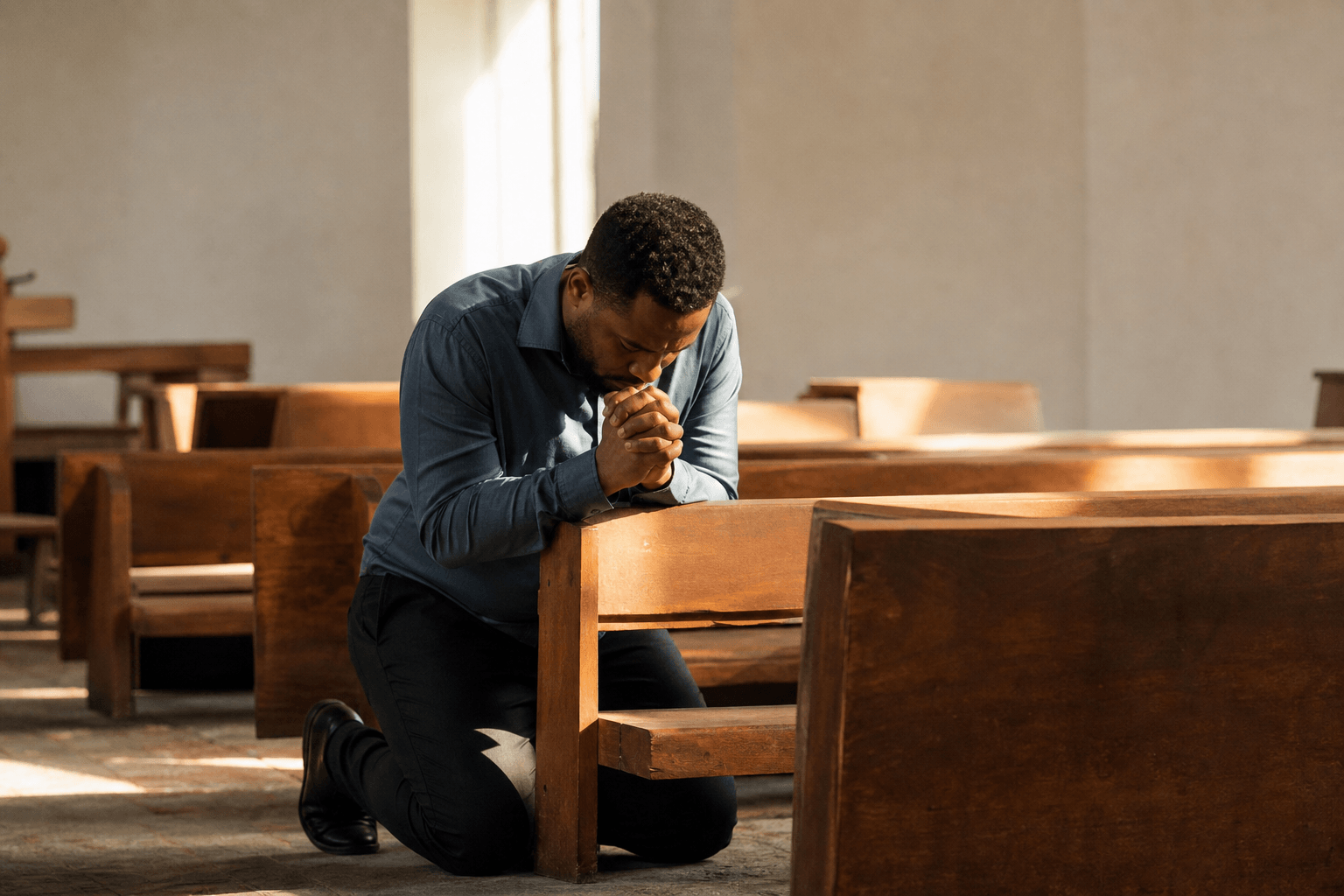
Seeking first the Kingdom of God is a profound spiritual journey that invites individuals to prioritize their relationship with God above all else. This article explores seven practical ways to deepen your faith and grow spiritually, emphasizing the importance of daily practices such as prayer and Bible study. Many people struggle to find a consistent approach to nurturing their spiritual lives, often feeling overwhelmed by life’s demands. If you’d like a simple devotional app to help you build daily rhythms of prayer and Bible reading, FaithTime can gently support that journey. However, by implementing these biblical steps, you can cultivate a more meaningful connection with God and experience transformative growth in your faith. We will delve into the meaning of seeking the Kingdom of God, daily practices for spiritual engagement, and the role of community in enhancing your spiritual journey.
What Does It Mean to Seek First the Kingdom of God?
To seek first the Kingdom of God means to prioritize God’s will and His righteousness in every aspect of life. This concept is rooted in Matthew 6:33, which encourages believers to focus on God’s Kingdom and His righteousness, promising that all other needs will be met. By aligning our lives with God’s purpose, we open ourselves to His guidance and blessings. If you want practical tools to keep that focus in everyday life, you can explore FaithTime features that support Bible reading plans, prayer reminders, and gentle habit tracking. Understanding this principle transforms our spiritual lives, leading to a deeper sense of fulfillment and purpose.
Understanding the Kingdom of God Meaning in Scripture
The Kingdom of God is often described in the New Testament as a spiritual realm where God’s authority reigns. Key scriptures, such as Luke 17:21, indicate that the Kingdom is not a physical place but rather a state of being where God’s presence is felt. Different interpretations highlight the Kingdom’s aspects, including its present reality in the hearts of believers and its future fulfillment in eternity. This multifaceted understanding encourages believers to live in a way that reflects God’s values and principles.
Why Prioritizing God’s Kingdom Transforms Your Spiritual Life
Prioritizing God’s Kingdom can lead to profound personal transformation. Many individuals share testimonials of how focusing on God has reshaped their lives, providing clarity and direction. The spiritual benefits of this prioritization include increased peace, joy, and a sense of community. By placing God at the center, believers often find that their relationships and daily decisions align more closely with His will, resulting in a more fulfilling spiritual journey.
How To Seek God Daily Through Prayer and Devotion

Daily prayer and devotion are essential practices for seeking God. These activities not only foster a deeper relationship with Him but also provide guidance and strength for daily challenges. Establishing a routine that includes prayer and Bible study can significantly enhance your spiritual growth.
Effective Prayer for Seeking God: Practices and Examples
Effective prayer involves more than just reciting words; it requires sincerity and a heart open to God’s presence. Various types of prayer, such as intercessory prayer, thanksgiving, and confession, can enrich your spiritual life. For instance, using templates for prayer can help structure your conversations with God, making them more meaningful. Personalizing your prayers by including specific requests and gratitude can deepen your connection with Him.
Research further explores specific contemplative practices, such as Centering Prayer, and their positive effects on spiritual connection and stress reduction.
Incorporating Daily Bible Study Methods to Strengthen Faith
Incorporating daily Bible study into your routine is vital for spiritual growth. Effective study methods include reading plans, thematic studies, and group discussions. Resources such as devotionals and study guides can provide structure and insight. Engaging with scripture not only enhances understanding but also encourages application in daily life, reinforcing your commitment to seeking God’s Kingdom.
What Are the Seven Practical Ways to Seek First the Kingdom of God?
There are several practical steps you can take to seek first the Kingdom of God. These steps are designed to integrate spiritual practices into your daily life, fostering a deeper connection with God.
- Daily Prayer Practices to Connect with God: Establish a routine of prayer that includes morning and evening sessions, allowing you to start and end your day with God.
- Engaging in Bible Lessons and Devotionals: Dedicate time each day to read scripture and reflect on its application in your life, using devotionals to guide your study.
- Participating in Faith Community Activities: Join a local church or online faith community to engage with others who share your beliefs, fostering mutual support and encouragement.
- Serving Others in Your Community: Actively look for opportunities to serve those in need, reflecting God’s love through your actions.
- Practicing Gratitude and Worship: Regularly express gratitude for God’s blessings and engage in worship, whether through music, art, or personal reflection.
- Setting Spiritual Goals: Create specific, measurable goals for your spiritual growth, such as memorizing scripture or completing a Bible study.
- Seeking Guidance Through Mentorship: Find a mentor or spiritual leader who can provide guidance and support on your faith journey.
Indeed, research emphasizes how intentional mentoring relationships can foster holistic spiritual transformation, extending beyond cognitive development to character formation rooted in Christlikeness.
Daily Prayer Practices to Connect with God
Daily prayer is a cornerstone of seeking the Kingdom of God. By setting aside specific times for prayer, you create a sacred space to communicate with God. This practice can include structured prayers, spontaneous conversations, or meditative silence. The benefits of daily prayer include increased peace, clarity, and a stronger sense of God’s presence in your life.
Engaging in Bible Lessons and Devotionals
Engaging in Bible lessons and devotionals allows for deeper exploration of scripture. Utilizing resources such as study guides or online courses can enhance your understanding and application of biblical teachings. Community engagement through group studies can also provide diverse perspectives and foster accountability in your spiritual journey.
How Can Faith Community Engagement Enhance Your Spiritual Growth?
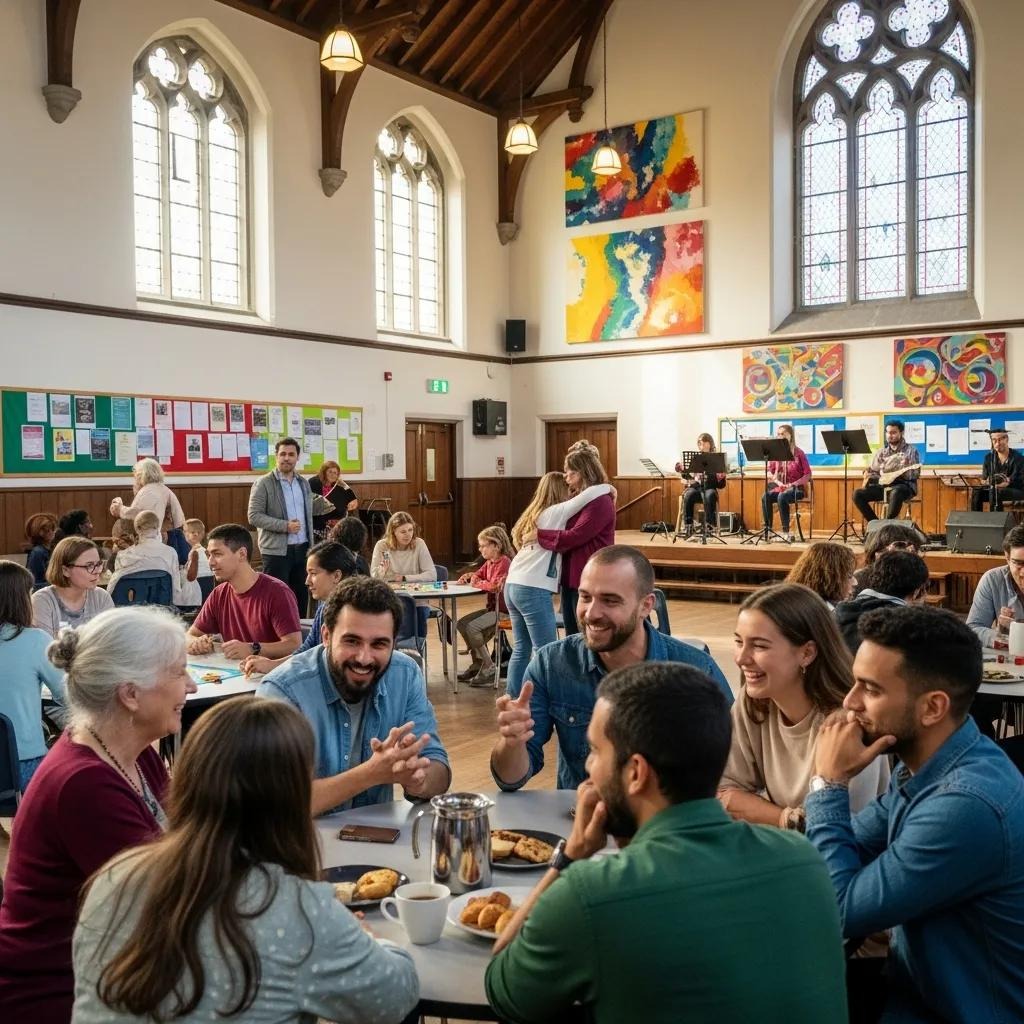
Engaging with a faith community is crucial for spiritual growth. Fellowship with other believers provides support, encouragement, and opportunities for service. Being part of a community helps individuals stay accountable in their spiritual practices and fosters a sense of belonging.
Benefits of Fellowship in Seeking the Kingdom of God
Fellowship offers numerous benefits, including spiritual support and shared experiences. Engaging with others who are also seeking God’s Kingdom can inspire personal growth and deepen your faith. The collective wisdom and encouragement found in community can help navigate challenges and celebrate victories in your spiritual journey.
Joining and Participating in Faith Communities Online and Offline
In today’s digital age, faith communities can be found both online and offline. Joining a local church or participating in online groups allows for flexible engagement with fellow believers. These communities provide resources, support, and opportunities for service, making it easier to seek God’s Kingdom together.
What Biblical Steps Support Living Godly in Daily Life?
Living a godly life involves applying biblical principles to everyday decisions. This practice requires intentionality and a commitment to aligning your actions with God’s teachings.
Applying Scripture Teachings to Everyday Decisions
Applying scripture to daily life involves making choices that reflect God’s values. This can include ethical decision-making, prioritizing relationships, and engaging in acts of kindness. Real-life applications of biblical teachings can guide individuals in navigating complex situations with integrity and faith.
Cultivating Spiritual Growth Through Obedience and Service
Obedience to God’s word is essential for spiritual growth. Engaging in service opportunities not only fulfills God’s command to love others but also fosters personal growth. By stepping out in faith and serving those in need, individuals can experience the joy of living out their faith in practical ways.
Why Is Continuous Spiritual Growth Essential in Seeking the Kingdom of God?
Continuous spiritual growth is vital for maintaining a vibrant faith. As believers, it is essential to recognize the signs of growth and the challenges that may arise along the way.
Measuring Spiritual Growth: Signs and Biblical Indicators
Spiritual growth can be measured through various indicators, such as increased love for others, a deeper understanding of scripture, and a more profound sense of peace. Reflecting on these signs can help individuals assess their spiritual journey and identify areas for improvement.
Overcoming Challenges in Your Faith Journey
Challenges are a natural part of any faith journey. Common obstacles include doubt, distractions, and spiritual dryness. Developing strategies to overcome these challenges, such as seeking support from a faith community or engaging in prayer, can help maintain momentum in your spiritual growth.
To further enhance your spiritual journey, consider exploring Bible lessons for deeper insights and understanding.
Many find that learning about faith can provide a stronger foundation for their beliefs.
For those seeking additional resources, exploring related content can offer further guidance and support.
Frequently Asked Questions
What are some common obstacles people face when seeking the Kingdom of God?
Many individuals encounter obstacles such as doubt, distractions from daily life, and spiritual dryness. These challenges can hinder one’s ability to prioritize their relationship with God. Additionally, societal pressures and personal struggles may lead to feelings of inadequacy in spiritual practices. Recognizing these barriers is the first step toward overcoming them. Engaging with a supportive faith community and establishing a consistent prayer routine can help individuals navigate these challenges and maintain focus on their spiritual journey.
How can I measure my spiritual growth effectively?
Measuring spiritual growth can be subjective, but several indicators can help assess progress. Look for signs such as an increased love for others, a deeper understanding of scripture, and a greater sense of peace in your life. Reflecting on personal experiences and changes in behavior can also provide insight into your spiritual journey. Keeping a journal to document your thoughts, prayers, and experiences can be a valuable tool for tracking growth and identifying areas for improvement.
What role does mentorship play in spiritual growth?
Mentorship can significantly enhance spiritual growth by providing guidance, support, and accountability. A mentor can offer wisdom from their own experiences, helping you navigate challenges and deepen your understanding of faith. This relationship fosters a safe space for discussing doubts and questions, encouraging personal reflection and growth. Additionally, mentors can help set spiritual goals and provide resources for further study, making the journey toward seeking God’s Kingdom more structured and meaningful.
How can I incorporate gratitude into my daily spiritual practices?
Incorporating gratitude into your daily spiritual practices can transform your perspective and deepen your connection with God. Start by setting aside time each day to reflect on the blessings in your life, whether big or small. You can keep a gratitude journal, listing things you are thankful for, or incorporate gratitude into your prayers. Expressing appreciation for God’s provisions not only enhances your spiritual life but also cultivates a positive mindset, helping you to focus on the good amidst challenges.
What are some effective ways to engage with scripture daily?
Engaging with scripture daily can be achieved through various methods. Consider establishing a reading plan that outlines specific passages to study each day. Thematic studies focusing on particular topics or books of the Bible can also provide structure. Additionally, using devotionals or joining a Bible study group can enhance understanding and application of biblical teachings. Reflecting on how scripture applies to your life and discussing insights with others can further enrich your spiritual experience.
How can community involvement enhance my spiritual journey?
Community involvement plays a crucial role in enhancing your spiritual journey by providing support, encouragement, and opportunities for service. Engaging with fellow believers fosters a sense of belonging and accountability, helping you stay committed to your spiritual practices. Participating in group activities, such as prayer meetings or service projects, allows for shared experiences and collective growth. The diverse perspectives and insights from a faith community can inspire personal transformation and deepen your understanding of God’s Kingdom.
What is the significance of setting spiritual goals?
Setting spiritual goals is significant as it provides direction and motivation for your faith journey. Specific, measurable goals can help you focus on areas of growth, such as memorizing scripture, engaging in community service, or deepening your prayer life. These goals encourage intentionality in your spiritual practices and can lead to a more fulfilling relationship with God. Regularly reviewing and adjusting your goals ensures that you remain aligned with your spiritual aspirations and continue to seek first the Kingdom of God.
If you want help putting these seven practices into your daily routine, you can use a faith app to schedule Bible reading, prayer times, and spiritual goals that keep God’s Kingdom at the center of your priorities. To keep growing in this mindset, the Bible lessons collection and the daily devotions collection offer step-by-step studies and reflections that show what it looks like to seek God’s reign in ordinary decisions, relationships, and habits. For deeper biblical support as you reorder your life around Christ, you might also explore seeking God Kingdom and obedience to God, which highlight how trust, surrender, and obedience are essential to living under God’s rule.