Baptism is a central Christian rite symbolizing a believer’s faith, repentance, and new life in Christ. This article explains its biblical meaning, key verses, types of baptism, teachings of Jesus and John the Baptist, and practical steps for preparation. We’ll also show how community support enriches the baptism experience.
What Does Baptism Mean in the Bible? Exploring Its Spiritual and Scriptural Foundations
In scripture baptism marks obedience, public identification with Christ, and symbolizes washing away of sin and spiritual rebirth. Its meaning draws on Jewish purification practices and New Testament teaching. For resources and guidance, visit FaithTime.
Which Bible Verses Define the Meaning of Baptism?
Key passages include Matthew 28:19–20 (the Great Commission), Acts 2:38 (repentance and forgiveness), and Romans 6:4 (union with Christ in death and resurrection). These verses anchor baptism’s theological significance.
How Is Baptism Described in the New Testament? Key Scripture Verses and Their Significance
The New Testament portrays baptism as a vital step of humility and obedience. Accounts like Jesus’ baptism by John model submission to God’s will and show baptism as a public profession of faith and entrance into the Christian community.
What Are the Different Types of Baptism Mentioned in Scripture?
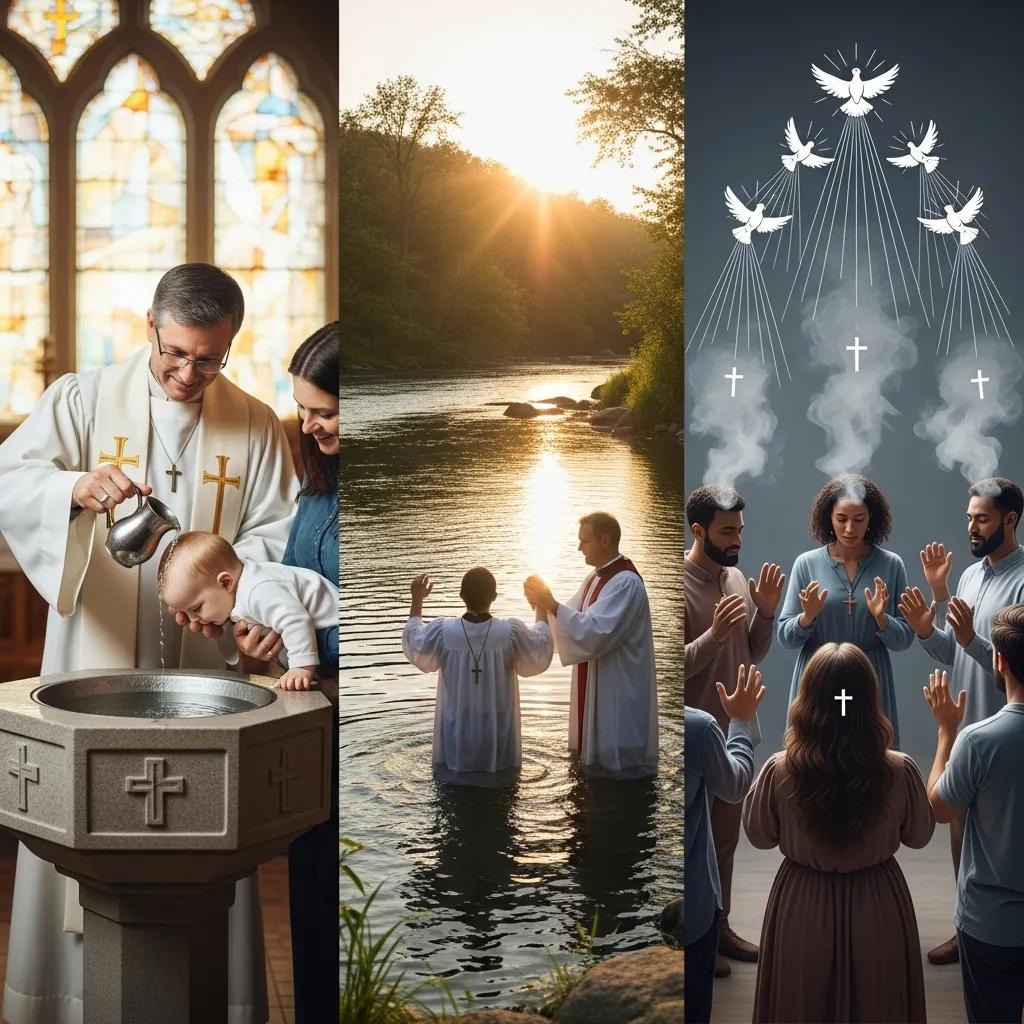
Scripture and tradition refer to water baptism, Spirit baptism, and practices such as infant or believer’s baptism. Water commonly symbolizes cleansing; Spirit baptism denotes empowerment for service and Christian life.
How Did Jesus and John the Baptist Teach About Baptism?
John called people to repentance and baptized as preparation for the Messiah. Jesus submitted to baptism, affirming the practice and modelling humility. Together their ministry links confession, repentance, and commissioning to Christian baptism.
Further insights into John the Baptist’s teachings reveal the profound connection between his baptism of repentance and the forgiveness of sins.
Why Is Baptism Important in Christianity? Understanding Its Spiritual Meaning and Role in Faith
Baptism symbolizes cleansing, new life, and the believer’s identification with Christ. It is a visible sign of inward faith that fosters community bonds and accountability within the church.
How Does Baptism Symbolise Spiritual Cleansing and New Life?
Whether by immersion, pouring, or sprinkling, the water rite portrays dying to sin and rising to new life in Christ. It reinforces a believer’s commitment to follow Jesus and pursue spiritual growth.
What Practical Steps Can Young Christians Take to Embrace Baptism?
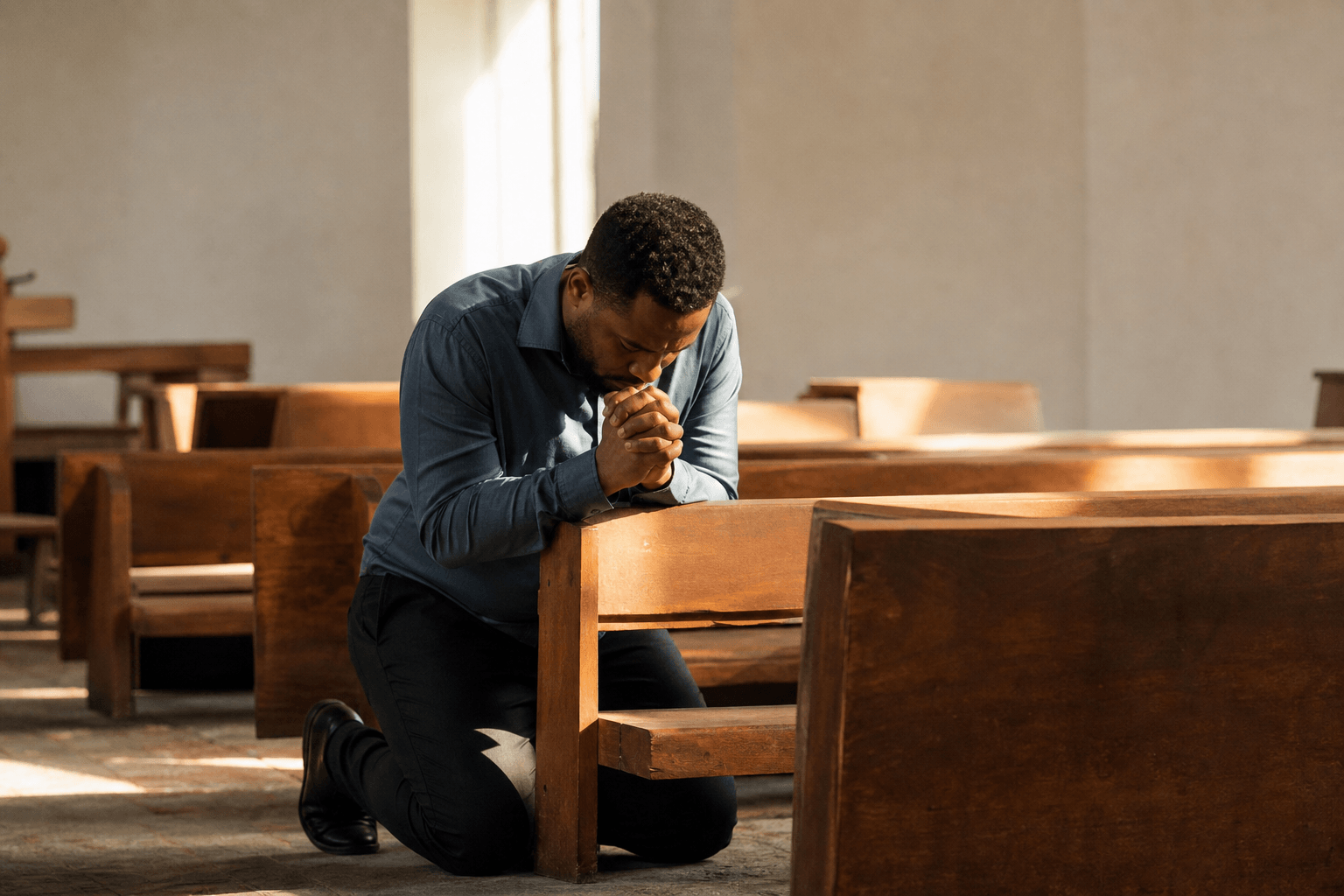
Prepare through prayer, Bible study, and reflection on repentance. Seek guidance from pastors or mentors, join a baptism class, and involve your church community for support and celebration.
How Can Community Support Enhance Your Baptism Journey? Resources and Encouragement for Spiritual Growth

Community provides encouragement, teaching, and accountability. Church groups, mentors, and Bible studies help sustain growth after baptism and make the rite more meaningful.
What Role Does Fellowship Play in Baptism and Faith Development?
Fellowship lets believers share experiences, learn from one another, and support each other. Bible studies, prayer groups, and small-group discipleship strengthen relationships and provide practical follow-up to baptism.
Where Can You Find Bible Lessons and Devotionals About Baptism?
Many churches and online platforms offer Bible lessons and devotionals focused on baptism. Use these resources to prepare or continue learning; if you have questions, contact us for guidance.
To learn more about our mission, visit the about page.
For more information, visit FaithTime.ai.
Frequently Asked Questions
What is the historical origin of baptism in Christianity?
Baptism grew from Jewish purification practices and was reshaped in the New Testament by John and Jesus into a Christian sacrament signifying repentance and new life.
Can baptism be performed in different ways?
Yes. Methods include immersion, pouring (affusion), or sprinkling (aspersion). Denominations choose based on theology, but all aim to signify cleansing and entry into the faith.
Is baptism necessary for salvation in Christianity?
Views differ. Some see baptism as necessary obedience closely tied to forgiveness; others emphasize faith alone. Consult your tradition and scripture for guidance.
What should individuals expect during a baptism ceremony?
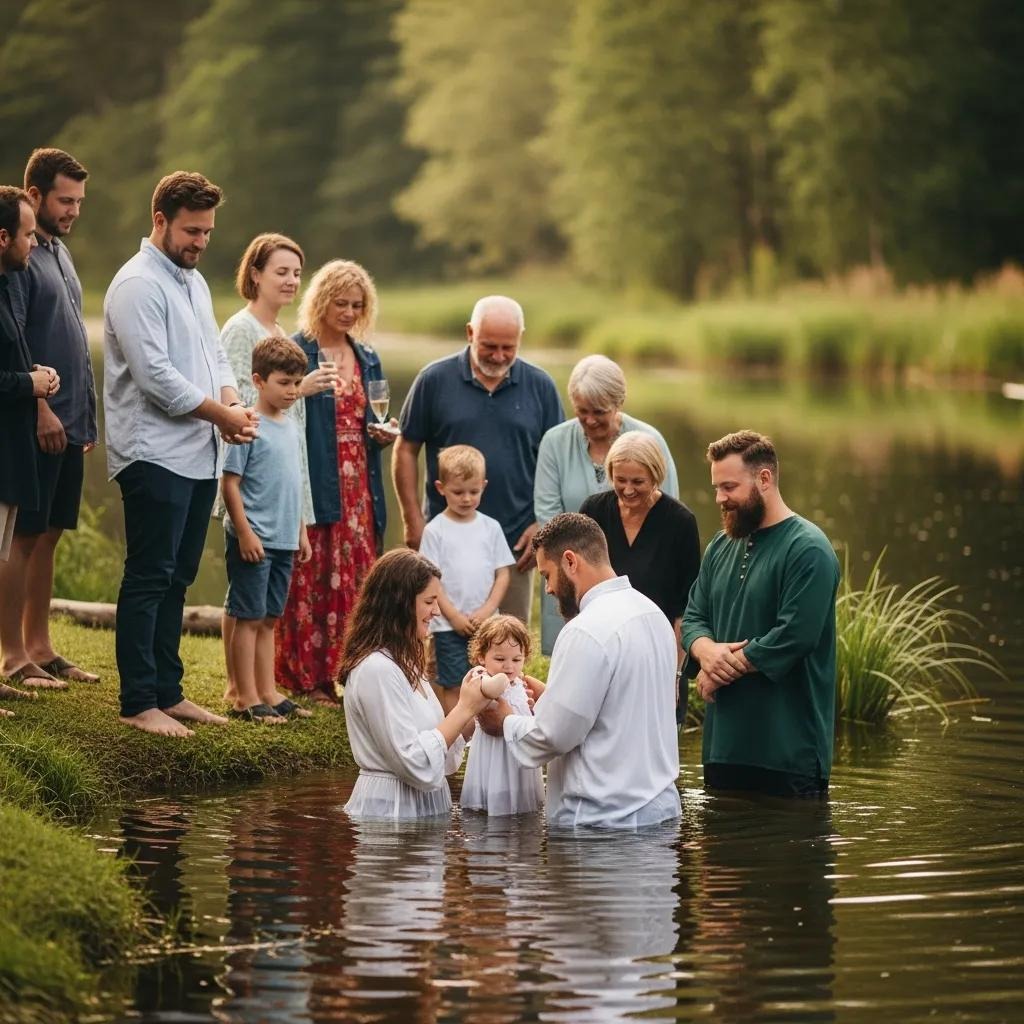
Expect a public declaration of faith, prayers, scripture readings, and the water rite (immersion or pouring). Family and community typically gather to support and celebrate.
How can parents prepare their children for baptism?
Prepare children with age-appropriate teaching, baptism classes, and conversations about faith. Encourage questions and involve church mentors to support their understanding.
What role does baptism play in the life of a believer after the ceremony?
After baptism, believers are urged to grow through prayer, scripture, fellowship, and service. The church community helps sustain spiritual growth and accountability.
If you are reflecting on what baptism means for your relationship with Jesus, remember that this sacred step is not just a religious ceremony but a sign of new life, cleansing, and belonging to God’s family. To keep walking in that new life beyond the baptism service itself, you can use a simple faith app to help you build a steady rhythm of Scripture reading, prayer, and reflection that keeps your heart anchored in Christ each day. If you would like to explore more Scriptures that connect baptism with being made new in Christ, you can read Bible verses about new life and other helpful Bible lessons that explain how God saves, cleanses, and transforms those who trust in Him. For continued growth after you are baptized, it may also be encouraging to follow daily devotions that guide you in living out your faith, as well as additional Bible verses by topic that show how the Holy Spirit helps you walk in obedience, holiness, and spiritual renewal day by day.