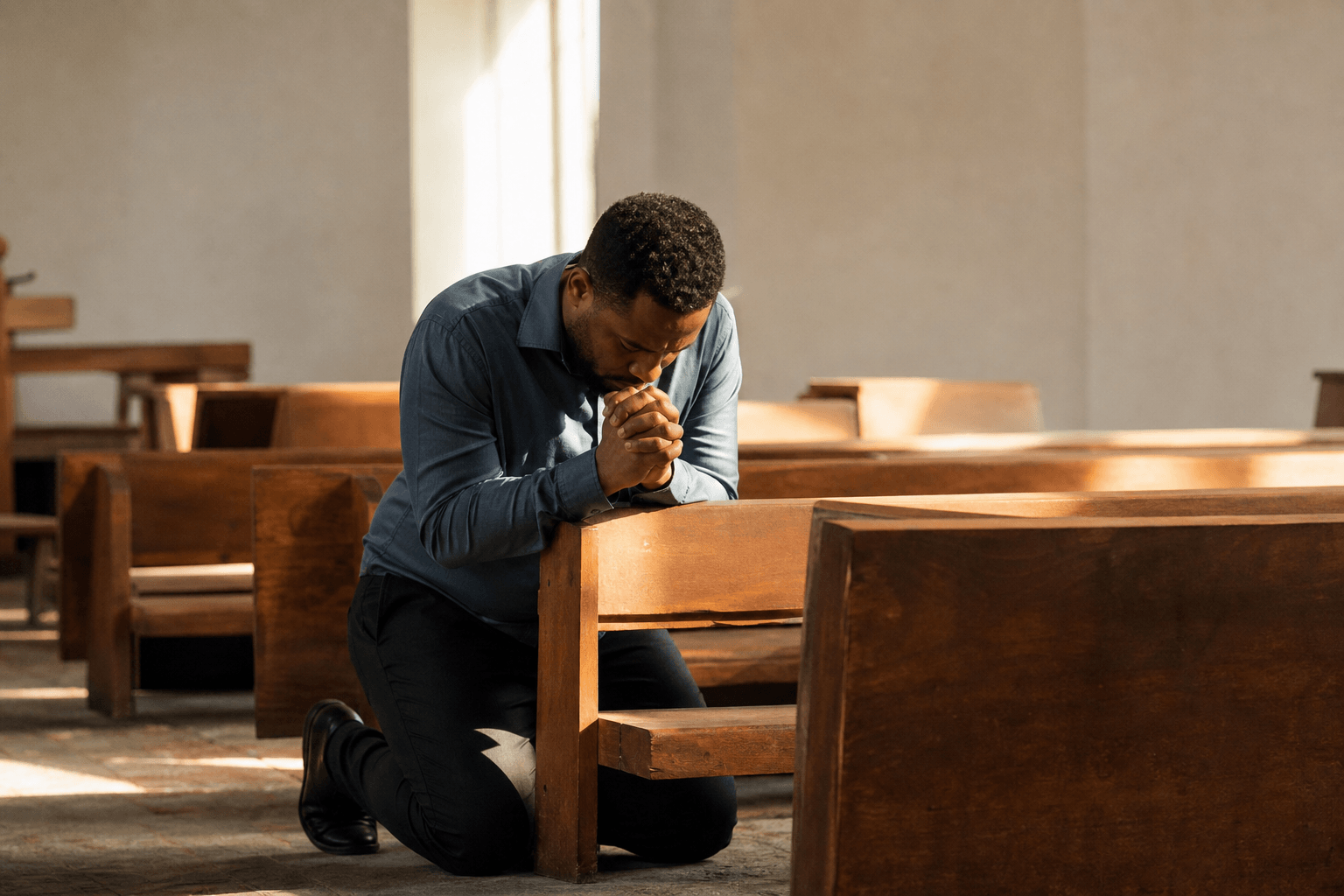
Faith is central to Christianity: a deep trust in God and his promises that shapes a believer’s life. Rather than abstract belief, biblical faith is a living relationship that provides strength, guidance, and purpose. This article defines faith biblically, explains its role in spiritual growth, and offers practical steps to develop it.
What Does Faith Mean in the Bible? Exploring Its Biblical Meaning and Definition
Biblical faith means confident trust in God and his promises, grounded in his character and faithfulness. Scripture passages and church teaching illustrate this trust in action. For resources, you can visit FaithTime.
How Is Faith Defined in Scripture? Key Bible Verses on Faith
Several verses define faith. For instance, Hebrews 11:1 states,
“Now faith is the assurance of things hoped for, the conviction of things not seen.”
This verse shows faith is confident hope for unseen things. Romans 10:17 emphasizes,
“faith comes from hearing, and hearing through the word of Christ,”
and together these passages show faith is grounded in God’s promises and formed by Scripture.
What Are Biblical Examples That Illustrate Faith?

Biblical examples include Abraham, credited as righteous for trusting God’s promise (Genesis 15:6), and the woman who touched Jesus’ garment and was healed (Mark 5:34). Their stories encourage believers to trust God’s promises.
How Does Faith Empower Your Life? Understanding the Power of Faith in Daily Living
Faith gives strength, hope, and direction. It helps believers face trials with resilience by leaning on God’s promises, often leading to life changes and greater peace.
In What Ways Does Faith Influence Spiritual Growth and Well-being?
Faith deepens relationship with God, prompting prayer, Scripture engagement, and reflection. These practices foster spiritual maturity and emotional well-being by reinforcing hope and meaning.
Indeed, research highlights how faith provides practical tools for combating distress and fostering a sense of peace and well-being.
How Can Faith Provide Strength During Life’s Challenges?

Faith offers comfort and encouragement; Scripture reminders reassure believers they are not alone. For example, Philippians 4:13 states,
“I can do all things through him who strengthens me,”
Faith can empower people to endure and act with confidence.
How Can You Develop and Strengthen Your Faith? Practical Steps and Daily Faith Habits
Strengthening faith involves regular spiritual practices. Consider these steps:
- Daily Prayer: Pray regularly to deepen trust and dependence on God.
- Scripture Reading: Read the Bible consistently to learn God’s promises.
- Reflection and Journaling: Note God’s faithfulness and lessons from experience.
These habits build a reliable spiritual foundation.
What Are Effective Daily Faith Habits to Build Spiritual Discipline?
Establish routines, join community, and use technology to support devotion.
- Establish a Routine: Schedule short daily times for prayer and Bible study.
- Engage in Community: Participate in worship or small groups for encouragement.
- Utilize Technology: Use apps or reminders to keep devotion consistent.
These practices help maintain spiritual discipline.
How Can Prayer and Meditation Enhance Your Faith Journey?
Prayer and meditation create space to hear God and process experience. Prayer clarifies needs; meditating on Scripture deepens understanding and application. Together they nurture faith and peace.
Why Is Community Important in Growing Faith? Connecting Faith and Spirituality Through Fellowship
Community offers support, teaching, and shared practice that strengthen faith. Fellowship fosters accountability and emotional care.
How Does Joining a Faith Community Support Spiritual Growth?
Being part of a community gives teaching, service opportunities, and mutual support during trials. It helps believers grow through shared study and care.
What Role Do Testimonials and Shared Stories Play in Encouraging Faith?
Personal testimonies show God’s activity and encourage trust. Shared stories inspire and remind believers of faith’s practical effects.
To learn more about our mission, visit the About Us page.
If you have any questions or would like to get in touch, please visit our contact page.
For those interested in deepening their understanding of the Bible, Bible lessons are available to guide you through the scriptures.
Frequently Asked Questions
What is the difference between faith and belief in a biblical context?
Belief is intellectual acceptance; faith adds trust, commitment, and action based on that trust.
How can faith impact mental health and emotional well-being?
Faith can provide hope, community, and coping practices like prayer that reduce stress and build resilience.
What are some common misconceptions about faith?
Misconceptions include that faith demands blind certainty or guarantees an easy life. In truth, faith coexists with questions and helps people find strength amid challenges.
How does faith relate to actions and good works?
Biblical faith naturally produces good works; faith and actions together demonstrate genuine commitment (see James 2:26).
Can faith be strengthened during difficult times?
Yes. Trials often deepen reliance on God through Scripture, prayer, and community support.
What role does prayer play in developing faith?
Prayer fosters relationship with God, offers guidance, and reinforces trust as believers bring needs and praise to God regularly.
How can someone new to faith begin their journey?
Start with reading Scripture, practicing simple prayers, joining a supportive community, and seeking mentorship from experienced believers.
To keep growing in your understanding of biblical faith, you can explore our Bible glossary for clear definitions of key Scripture terms and browse Bible lessons for deeper study on how faith shapes daily life. If you want to turn these truths into a steady habit, the FaithTime faith app can support your walk with guided reflection and practical encouragement, and you may also find help in “ 10 Essential Bible Study Tools ” and “ Bible Verses About Faith ” as you continue building trust in God through His Word.