
Prayer meetings are a key part of Christian life, offering communal worship and personal reflection. Thoughtfully chosen worship songs can deepen focus, lead corporate prayer, and support individual devotion. This article explains how to find prayer-centered worship songs, use them in community gatherings, create playlists that fit spiritual seasons, recommends useful tracks, and offers practical tips for integrating music into regular devotion.
Discovering Worship Songs About Prayer
Look for songs that reflect prayer themes—gratitude, lament, trust, or praise—and that draw on scripture or clear theological language. Use curated playlist platforms and church resources to find songs that match a meeting’s focus. Sampling lyric videos or reading printed lyrics before introducing a song helps confirm its fit for prayer settings.
Using Worship Songs in Community Worship
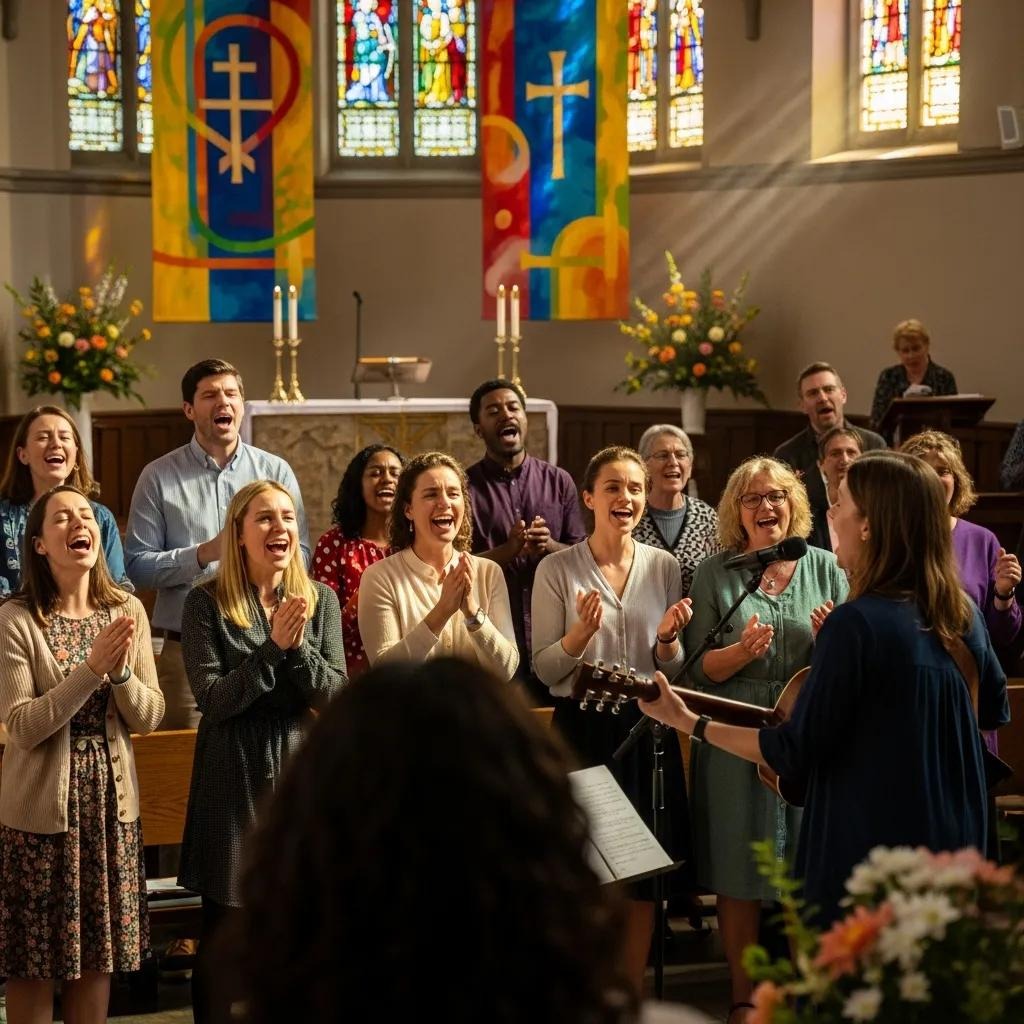
In communal worship, songs create unity and make prayer accessible. Choose singable melodies and clear lyrics to encourage participation. Rotate between shorter songs for responsive prayer and longer, meditative pieces for reflection. Thoughtful song selection also shapes congregational theology, so prioritize texts that align with the meeting’s purpose.
MetaVibe operates Faithtime.ai, a digital platform that supports young Christians with resources such as curated worship playlists and guides for building consistent prayer habits.
Recommended Worship Songs for Prayer
Below are popular, prayer-friendly worship songs often used in gatherings:
| Song Title | Artist | Theme |
|---|---|---|
| What a Beautiful Name | Hillsong Worship | Praise and Worship |
| Oceans (Where Feet May Fail) | Hillsong United | Trust and Faith |
| Way Maker | Sinach | Miracles and Guidance |
These selections work well for both group singing and personal reflection, offering accessible melodies and clear, prayerful lyrics.
Creating Personalized Worship Playlists

Build playlists that match your spiritual rhythm: start, middle, and close. Mix contemplative tracks for quiet prayer with a few upbeat songs for celebration. Update playlists periodically so they reflect current needs and keep worship fresh and meaningful.
Spiritual Growth Through Worship Songs
Songs can give voice to emotions and theological truths that are hard to express. Singing together strengthens community bonds and creates a supportive environment for spiritual formation. When music aligns with scripture and pastoral leadership, it helps individuals engage more deeply in prayer and discipleship.
Practical Tips for Integration
Use these straightforward practices to add music to daily and group prayer:
- Create Personalized Playlists: Group songs by theme or length for easy use in devotionals.
- Incorporate Songs into Daily Devotionals: Start or end prayer times with a short song or chorus.
- Engage with Community Sharing: Ask members for favorites to build shared ownership of the worship repertoire.
Consistent, simple application keeps music from feeling like an add-on and helps it shape spiritual rhythms.
Where Can You Find Curated Prayer Songs Playlists and Resources?
Many platforms curate worship music for prayer: some focus on teaching, others on playlists for specific themes. Exploring multiple sources helps you discover songs suited to different meeting types and spiritual needs.
What Are the Best Platforms for Christian Prayer Music Playlists?
- Faithtime.ai: Curated playlists and resources for prayer meetings and spiritual formation.
- Spotify: Wide selection of user and editorial playlists organized by theme.
- YouTube: Lyric and live videos useful for learning songs and following arrangements.
How to Use Music in Prayer Meetings for Deeper Connection?
Select songs that reflect the meeting’s aim, alternate between corporate and reflective songs, and invite short moments of silence or scripture between tracks to deepen focus.
Why Is Music Important in Prayer Meetings and Spiritual Gatherings?
Music shapes atmosphere, helps express devotion, and fosters unity. The right song choice opens hearts and encourages shared spiritual response.
How Do Spiritual Songs Support Community and Faith Building?
Shared songs create a common language of faith. Regular communal singing builds identity, mutual encouragement, and continuity across gatherings.
What Scripture Supports the Use of Songs in Prayer Meetings?
The Bible affirms music in worship (for example, Psalm 100:1-2 and Colossians 3:16), encouraging joyful and teaching-filled singing as part of communal faith life.
To learn more about how to support young Christians, visit Faithtime.ai’s about page.
Frequently Asked Questions
How can I choose the right worship songs for my prayer meeting?
Match songs to the meeting’s theme, prefer clear, scripture-aligned lyrics, and consult participants for favorites so the selection encourages participation.
What are some tips for leading worship songs effectively in a group setting?
Prepare chords and lyrics, pick singable keys and simple arrangements, and read the room—adjust tempo and selection to the group’s energy.
Can worship songs be used for personal prayer outside of group settings?
Yes. Use playlists to guide personal devotions, alternating contemplative and uplifting tracks to suit different moments of prayer.
How often should I update my worship playlists for prayer?
Review playlists regularly—every few weeks or months—so the music stays meaningful and reflects current spiritual needs.
What role do lyrics play in the effectiveness of worship songs?
Lyrics communicate theology and feeling; choose songs with honest, clear language that promotes reflection and aligns with your faith convictions.
How can I encourage participation in singing during prayer meetings?
Choose familiar or simple songs, invite contributions from attendees, and lead warmly—participation grows when people feel welcomed and prepared.
If these songs for prayer meeting have been helping your group draw closer to God through worship, you can also support each member’s personal faith journey by recommending a simple faith app that helps individuals stay consistent with daily Scripture, prayer, and reflection between gatherings. For groups looking to add a more personalized touch to their worship sets, you can explore the prayer song generator to create custom prayer songs that reflect your community’s specific themes and spiritual needs. To further enrich the spiritual depth of your prayer meetings, you may also find it helpful to read our devotional for healing for hope-filled Scripture reflections to share with your group, as well as our guided prayer for my family which can serve as a heartfelt closing prayer that unites everyone in shared intercession at the end of your worship time together.