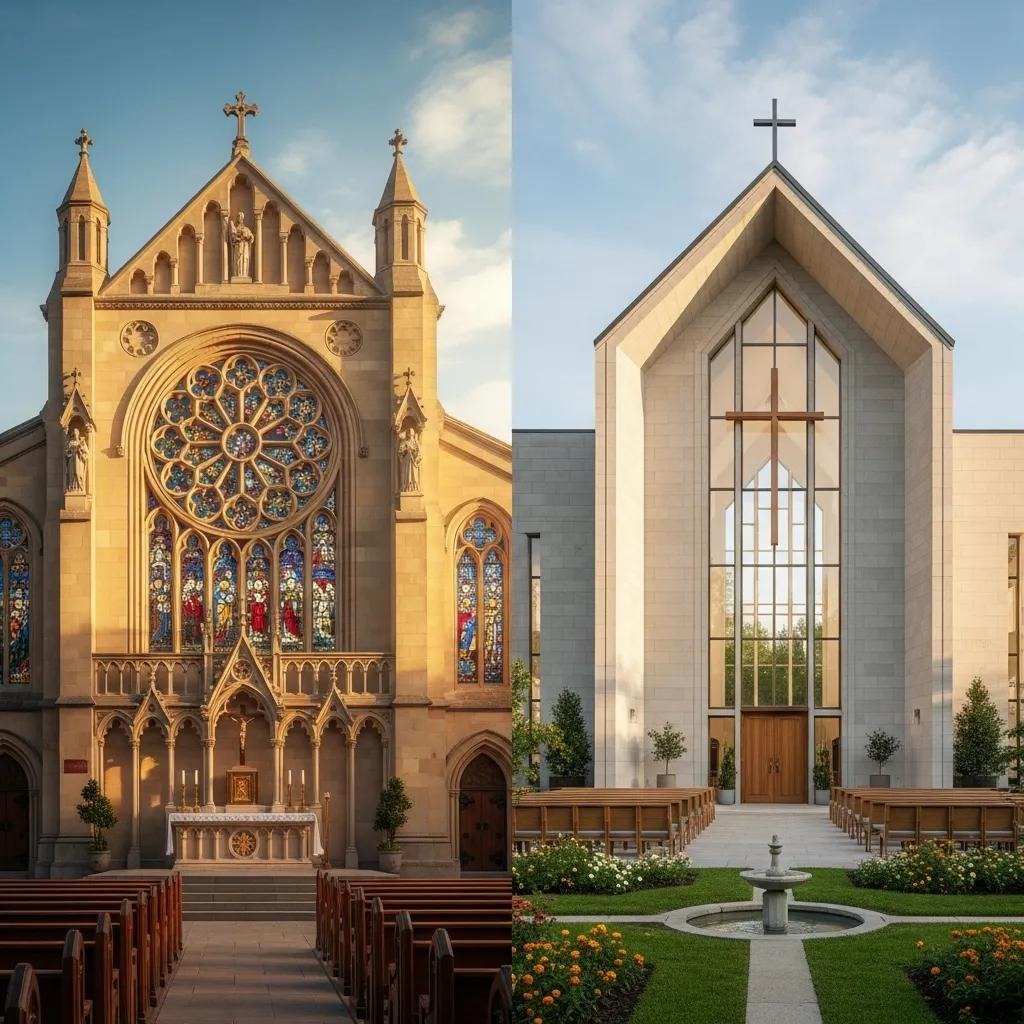
The distinctions between Catholicism and Protestantism shape how millions practice Christianity today. This article outlines core theological differences, typical worship styles, and how major Protestant groups differ from the Catholic tradition. The goal is clarity: to help readers understand key doctrines, worship patterns, and community roles so they can engage constructively across traditions or deepen personal faith.
What Are the Core Theological Differences Between Catholics and Protestants?
Catholicism and Protestantism differ mainly on authority, salvation, and the role of tradition. Catholics place weight on the Pope and Church teaching alongside Scripture; Protestants prioritize the Bible alone (“sola scriptura”). That difference affects beliefs about God, Christ, and how people are saved.
How Do Catholic and Protestant Views on Scripture Differ?
Catholics see Scripture and Church tradition as complementary, relying on the Church to interpret the Bible. Protestants maintain that Scripture alone is the final authority, which has led to diverse readings and denominational differences in practice and doctrine.
The principle of ‘sola scriptura’ is a cornerstone of Protestant theology, shaping its historical development and the emergence of diverse denominations.
What Are the Distinct Beliefs About Salvation in Catholicism and Protestantism?
Catholics emphasize faith expressed through works and the sacraments as part of salvation. Protestants generally emphasize salvation by faith alone, trusting that faith in Christ is the decisive factor. These positions shape practice, pastoral life, and the role given to priests and sacraments.
The contrasting doctrines of salvation, particularly concerning the role of works and the priesthood, are central to understanding the theological divide between these traditions.
How Do Catholic and Protestant Worship Practices Compare?
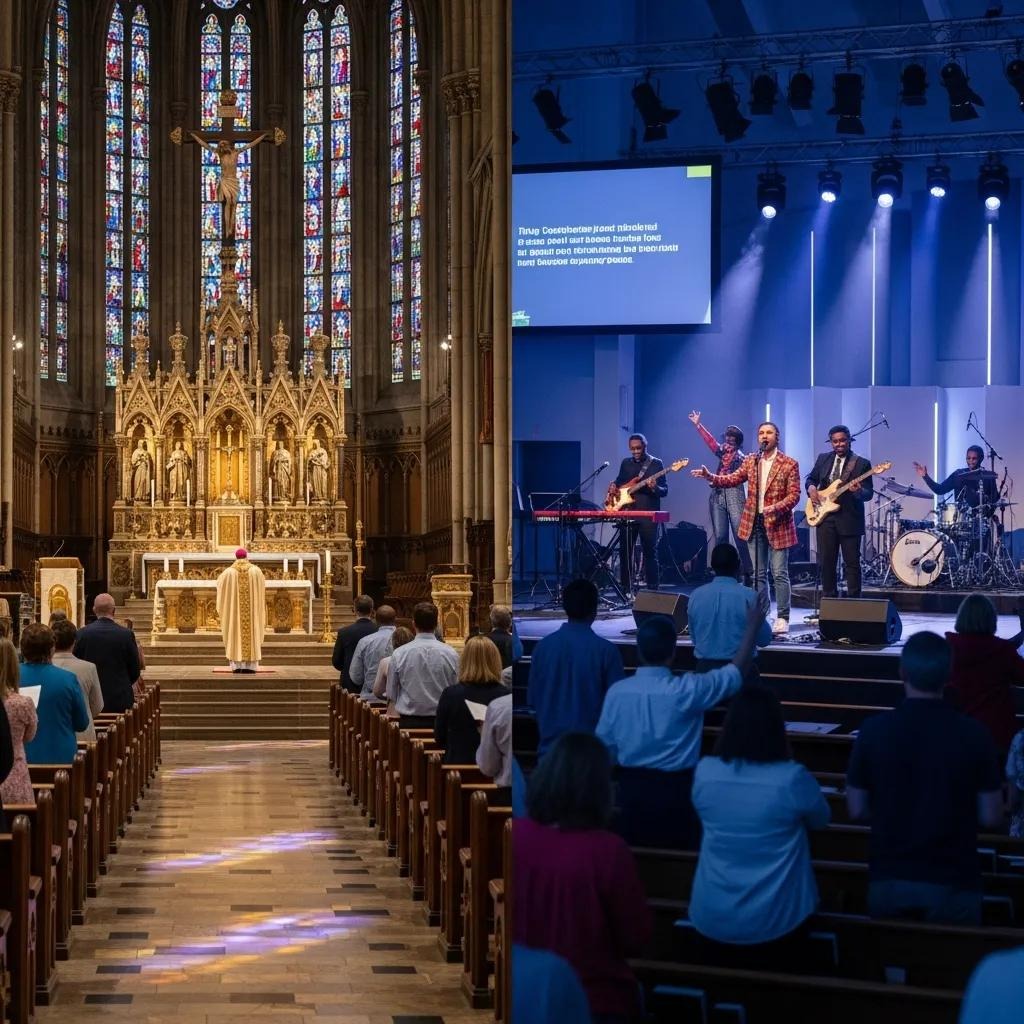
Worship differs in form and emphasis. Catholic worship tends to be liturgical and sacrament-centered, especially around the Eucharist. Protestant services vary widely—from formal liturgies to informal, music-driven gatherings—with many giving more emphasis to preaching and congregational participation.
What Are the Key Differences in Catholic and Protestant Sacraments and Rituals?
Catholics observe seven sacraments (including Baptism, Eucharist, Confirmation) as means of grace. Most Protestants observe two (Baptism and Communion), typically viewing them as symbolic or covenantal signs rather than the same kind of sacramental means emphasized in Catholic theology.
Further insights into the Catholic understanding of sacraments highlight their profound theological significance as efficacious signs.
How Do Worship Services Differ Between Catholic and Protestant Traditions?
Catholic services follow a set liturgy with prayers, hymns, and the Mass. Protestant services can be liturgical or contemporary, often prioritizing sermon, communal singing, and lay participation. Cultural context and denominational history shape these differences.
What Are the Main Protestant Denominations and Their Unique Beliefs?
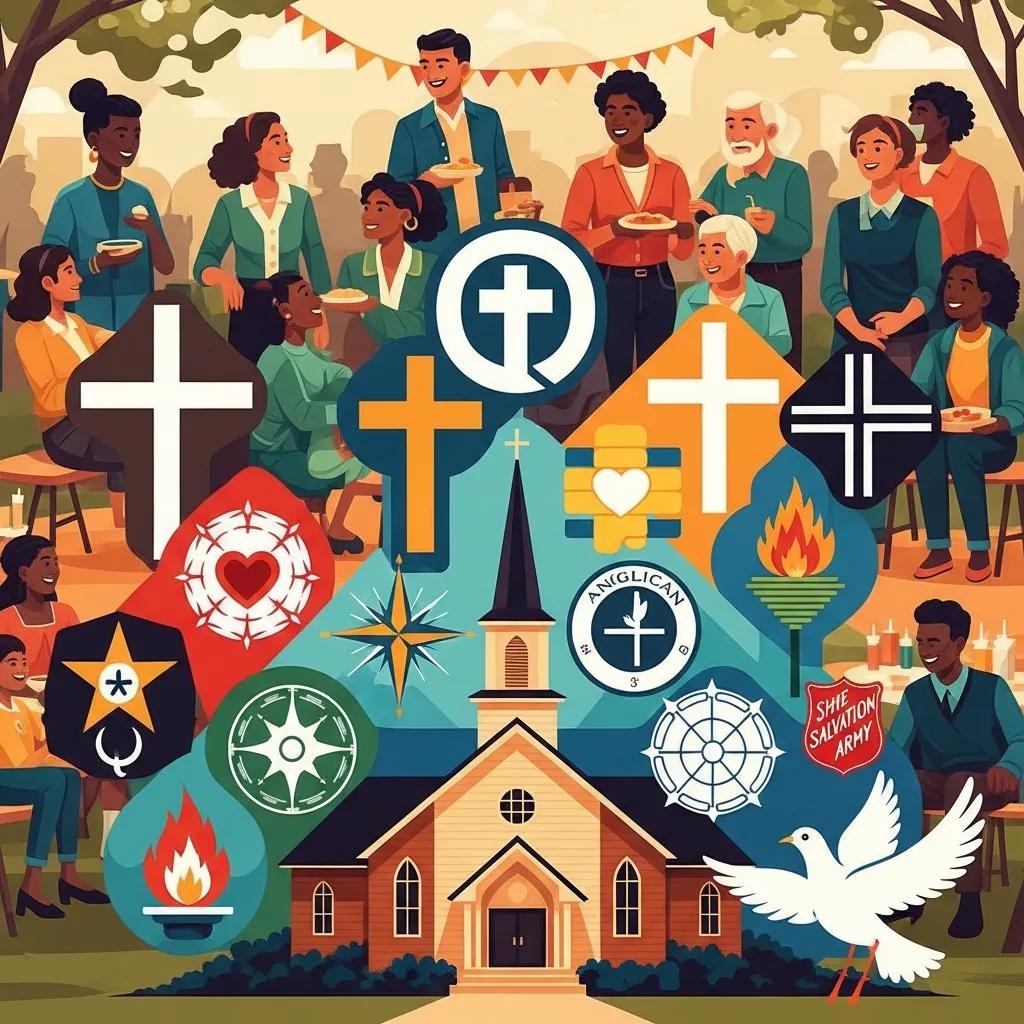
Protestantism includes many denominations with distinct emphases. Major groups—Baptists, Methodists, Lutherans, among others—differ in baptism practice, views on grace, church governance, and social engagement. These differences reflect varied readings of Scripture and historical priorities.
How Do Various Protestant Denominations Interpret Scripture and Practice Faith?
Denominations use different interpretive approaches: Baptists highlight personal faith and believer’s baptism; Methodists emphasize grace and social action; Lutherans retain liturgical patterns with distinct sacramental theology. Those approaches shape worship, pastoral care, and community life.
What Role Does Community Play in Protestant Faith Practices?
Community life—small groups, outreach, and volunteer ministries—is central in many Protestant churches. Congregational involvement often supports discipleship, mutual care, and public service, strengthening faith through shared practice.
How Can Daily Faith Habits Support Understanding Catholic and Protestant Differences?
Daily practices—prayer, scripture reading, and participation in community life—help deepen understanding of both traditions. Consistent habits reveal how doctrine translates into daily devotion and communal priorities.
What Daily Prayer and Devotional Practices Are Encouraged in Both Traditions?
Catholics may use structured prayers like the Rosary alongside Scripture reading; Protestants often emphasize personal prayer and Bible study. Both traditions encourage regular devotion to deepen faith and relationship with God.
How Can Engaging with Community Resources Enhance Spiritual Growth?
Community resources—Bible studies, church events, and faith-based apps—offer study, fellowship, and support. They help believers learn their tradition’s distinctives and grow spiritually through shared practice.
To further explore these topics, Faithtime AI offers a range of resources to deepen your understanding.
For those seeking to understand the Bible better, Faithtime.ai provides practical Bible lessons that guide readers through Scripture.
If you have questions or wish to learn more, you can contact Faithtime AI for support and inquiries.
Frequently Asked Questions
What historical events led to the split between Catholicism and Protestantism?
The split is rooted in the Reformation of the early 16th century. Reformers like Martin Luther challenged practices such as indulgences and questioned papal authority. Luther’s 95 Theses (1517) and ensuing debates led to new Protestant communities that emphasized Scripture and personal faith, reshaping European religious and political life.
How do Catholic and Protestant views on the role of Mary differ?
Catholics venerate Mary, honoring doctrines like the Immaculate Conception and the Assumption and often seeing her as an intercessor. Most Protestants respect Mary as the mother of Jesus but do not grant the same doctrinal status or intercessory role, emphasizing direct access to God through Christ.
What is the significance of the Eucharist in Catholicism compared to Protestant beliefs?
For Catholics, the Eucharist is a sacrament in which bread and wine are understood to become the body and blood of Christ (transubstantiation) and a central means of grace. Many Protestants treat Communion as a symbolic or covenantal remembrance; views among Protestants vary from a spiritual presence to a memorial meal.
How do Catholic and Protestant approaches to confession differ?
Catholics commonly practice sacramental confession to a priest as a means of absolution and pastoral care. Protestants generally practice direct confession to God and may encourage communal accountability or pastoral counseling rather than a formal sacrament administered by clergy.
What role does tradition play in Catholicism compared to Protestantism?
Tradition is a source of authority in Catholicism alongside Scripture, encompassing Church Fathers and councils. Protestantism typically emphasizes “sola scriptura,” prioritizing the Bible as the primary authority and often rejecting practices not grounded in Scripture.
How do Catholic and Protestant views on social justice and community service compare?
Both traditions value social justice and service. The Catholic Church has an integrated body of social teaching and many long-standing institutions serving the poor. Protestant denominations also engage robustly in social ministry, with varying theological motives and programmatic emphases depending on the denomination.
As you continue to explore the differences between Catholic and Protestant beliefs, remember that the goal is not just to win a theological debate but to deepen your relationship with Christ and learn how His grace has worked through various Christian traditions over time. To keep your study grounded in prayer and Scripture rather than division, you can use a simple faith app to build a steady rhythm of Bible reading, reflection, and guided devotions that helps you listen for God’s voice as you learn. If you want to go further, you can explore more detailed Bible lessons on how different churches understand Scripture and doctrine, as well as Christian glossary resources that explain key terms like sacrament, justification, and church authority in clear language. For a deeper dive into how various Christian groups relate to one another, you may also find it helpful to read focused articles such as “How Many Books Are in the Bible?” for background on the biblical canon and “Baptist vs Christian” for another example of comparing beliefs within the wider Christian family, which can give you a helpful framework for thinking about Catholic–Protestant differences with both clarity and charity.