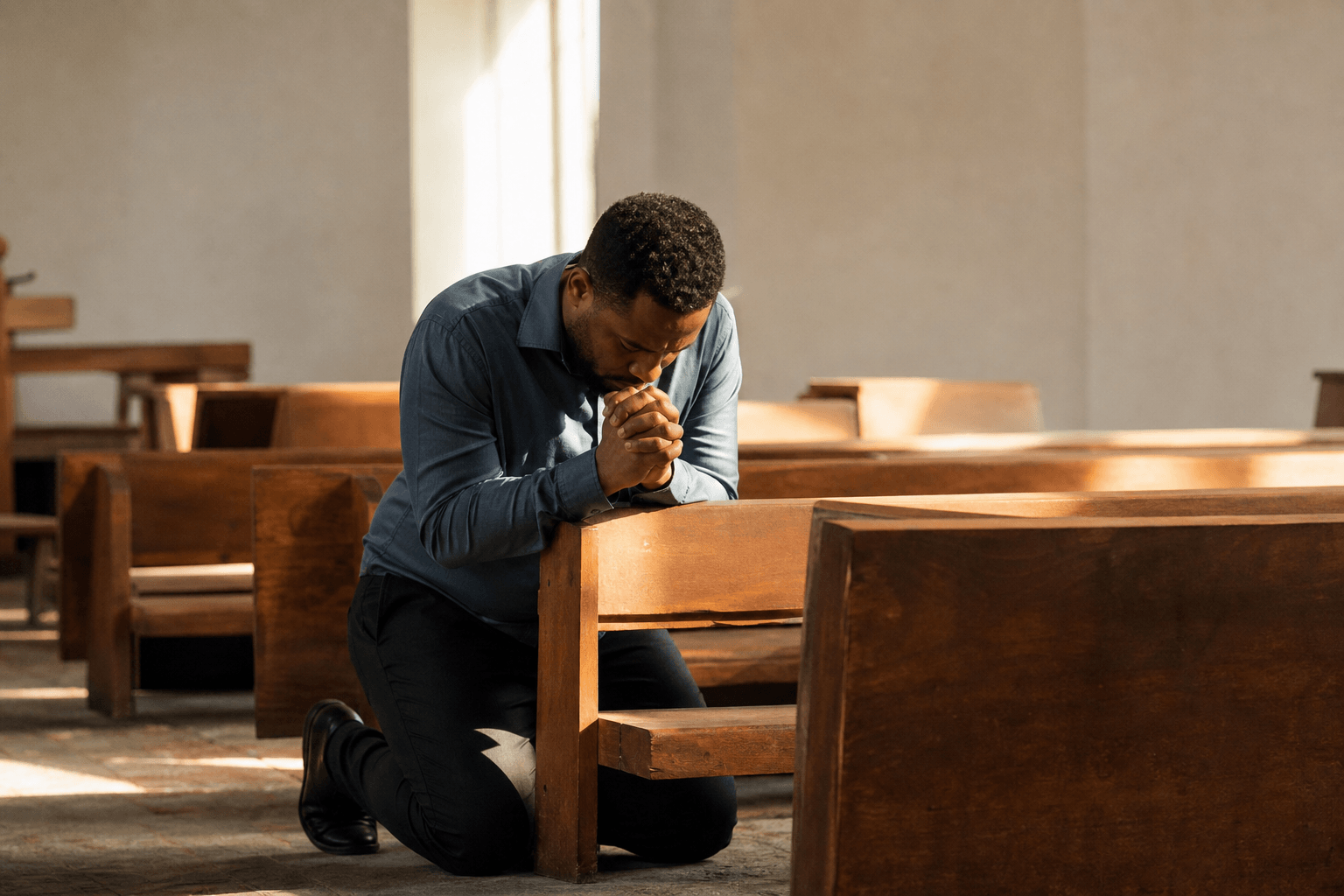
Good Friday is a solemn day that commemorates Jesus Christ’s crucifixion and the suffering he endured. This article highlights key Bible verses about the Passion and sacrifice, and offers concise reflections and practical ways those passages can deepen daily faith and spiritual habits.
What Are the Key Bible Verses Describing Christ’s Suffering on Good Friday?
The Scriptures present vivid accounts of Christ’s suffering that both narrate events and point to the redemptive meaning of his death.
Which Scriptures Highlight the Passion of Christ?

Several passages capture the Passion; a few key references follow.
- Isaiah 53:5: “But he was pierced for our transgressions, he was crushed for our iniquities; the punishment that brought us peace was on him, and by his wounds, we are healed.” A prophetic summary of the redemptive purpose of his suffering.
- Matthew 27:46: “About three in the afternoon, Jesus cried out in a loud voice, ‘Eli, Eli, lema sabachthani?’ (which means ‘My God, my God, why have you forsaken me?’).” Expresses the depth of Jesus’ anguish on the cross.
- Luke 22:44: “And being in anguish, he prayed more earnestly, and his sweat was like drops of blood falling to the ground.” Highlights his intense emotional and physical suffering in Gethsemane.
Together these verses emphasize both the human pain and the divine purpose of Christ’s Passion.
What Bible Passages Describe Jesus’ Sacrifice and Crucifixion?
Other passages focus on the sacrifice itself and its meaning for salvation.
- John 3:16: “For God so loved the world that he gave his one and only Son, that whoever believes in him shall not perish but have eternal life.” Summarizes God’s motivation in giving Christ for the world.
- Mark 15:24: “And they crucified him. Dividing up his clothes, they cast lots to see what each would get.” A plain account that underscores the reality of the crucifixion.
- Romans 5:8: “But God demonstrates his own love for us in this: While we were still sinners, Christ died for us.” Emphasizes the unconditional love behind the sacrifice.
These passages remind readers of the cost of redemption and the centrality of love in Christ’s death.
How Can We Reflect Spiritually on Good Friday Through Scripture?
Scripture invites contemplative attention on Good Friday; reading select passages helps believers enter the meaning of the cross with gratitude and humility.
What Are Guided Prayers and Devotional Practices for Good Friday?

Short, focused practices can make Good Friday meaningful. Consider these simple disciplines:
- Meditative Prayer: Sit in silence and reflect on a single verse or phrase from the Passion narratives.
- Scripture Reading: Read the Gospel accounts of the crucifixion (for example, Matthew 27 or John 19) slowly and prayerfully.
- Journaling: Note one insight or one way the passage challenges you to live differently.
These brief practices promote deeper reflection without requiring long or elaborate routines.
How Do Bible Verses Inspire Faith and Understanding of Christ’s Sacrifice?
Scripture informs devotion by offering encouragement, hope, and community-shaped meaning.
- Encouragement: Verses like Romans 8:32 affirm God’s commitment even in suffering.
- Hope: Passages such as 1 Peter 1:3 point beyond the cross to resurrection and renewal.
- Community: Studying these texts with others strengthens understanding and mutual support.
Reading the Bible in these ways helps translate Good Friday themes into steady spiritual growth.
Which Bible Verses Support Building Daily Faith Habits Inspired by Good Friday?
The meaning of Christ’s sacrifice can inform practical daily rhythms that cultivate faith over time.
How Can Jesus’ Sacrifice Motivate Consistent Spiritual Practices?
Let the cross shape simple, repeatable habits that keep Christ’s example central:
- Daily Prayer: A short morning or evening prayer that invites reflection on Christ’s sacrifice.
- Scripture Study: Daily reading that alternates Gospel passages with related New Testament reflections.
- Community Engagement: Regular fellowship—church groups, Bible studies, or service—helps sustain practice.
These habits, practiced consistently, deepen faith and align daily life with the lessons of Good Friday.
| Spiritual Practice | Description | Scriptural Reference |
| Daily Prayer | A time for personal communication with God, reflecting on His sacrifice. | Philippians 4:6-7 |
| Scripture Study | Engaging with the Bible to understand God’s word and teachings. | 2 Timothy 3:16-17 |
| Community Engagement | Involvement in church or group activities to foster faith and accountability. | Hebrews 10:24-25 |
This table shows how simple practices map to scripture and support a sustained spiritual life.
To deepen your understanding of faith, consider exploring “bible lessons” that offer structured learning.
Reflecting on Christ’s sacrifice can also inspire a deeper connection with your faith. Faithtime provides resources to support that journey.
For a guided reading plan, see the best order to read the bible.
If you have questions or want to get involved, please contact us.
Frequently Asked Questions
What is the significance of Good Friday in Christianity?
Good Friday marks Jesus’ crucifixion and is observed as a time to remember his sacrifice and the themes of redemption, love, and forgiveness. Many believers observe it with prayer, fasting, and quiet reflection as they look ahead to Easter.
How can I incorporate Good Friday reflections into my daily life?
Set aside brief daily moments—prayer, a short scripture reading, or a sentence in a journal—that focus on gratitude for Christ’s sacrifice and on how that reality shapes daily choices and service to others.
Are there specific prayers for Good Friday?
There are traditional and contemporary prayers for Good Friday centered on repentance, gratitude, and surrender. You can use published prayers or speak simply and honestly to God using scripture as a prompt.
What role does fasting play on Good Friday?
Fasting is a traditional discipline that emphasizes penitence and focus on spiritual matters. Practices vary, but fasting often accompanies prayer and reflection as a way to honor the solemnity of the day.
How can I share the message of Good Friday with others?
Share passages, host or join a short study or discussion, create thoughtful posts that point to scripture, or serve in your community—actions that express the love and sacrifice reflected in Good Friday.
What are some recommended Bible verses for Good Friday meditation?
Key verses include Isaiah 53:5, John 3:16, Matthew 27:46, and Romans 5:8. Meditating on these passages helps focus attention on both the suffering and the saving purpose of Christ’s death.
As you reflect on the meaning of Good Friday, you can use a simple devotional app to revisit these scriptures with prayerful focus and quiet reflection throughout the season. If you want to continue exploring the meaning of Christ’s suffering and sacrifice, you can read more from our Bible verses by topic collection and spend time with guided prayers that support worship, gratitude, and repentance. For deeper insight into how Good Friday points to redemption and hope, you may also find it helpful to read Easter verses and reflect on the meaning of the Cross, which help connect Christ’s sacrifice with the promise of resurrection.