
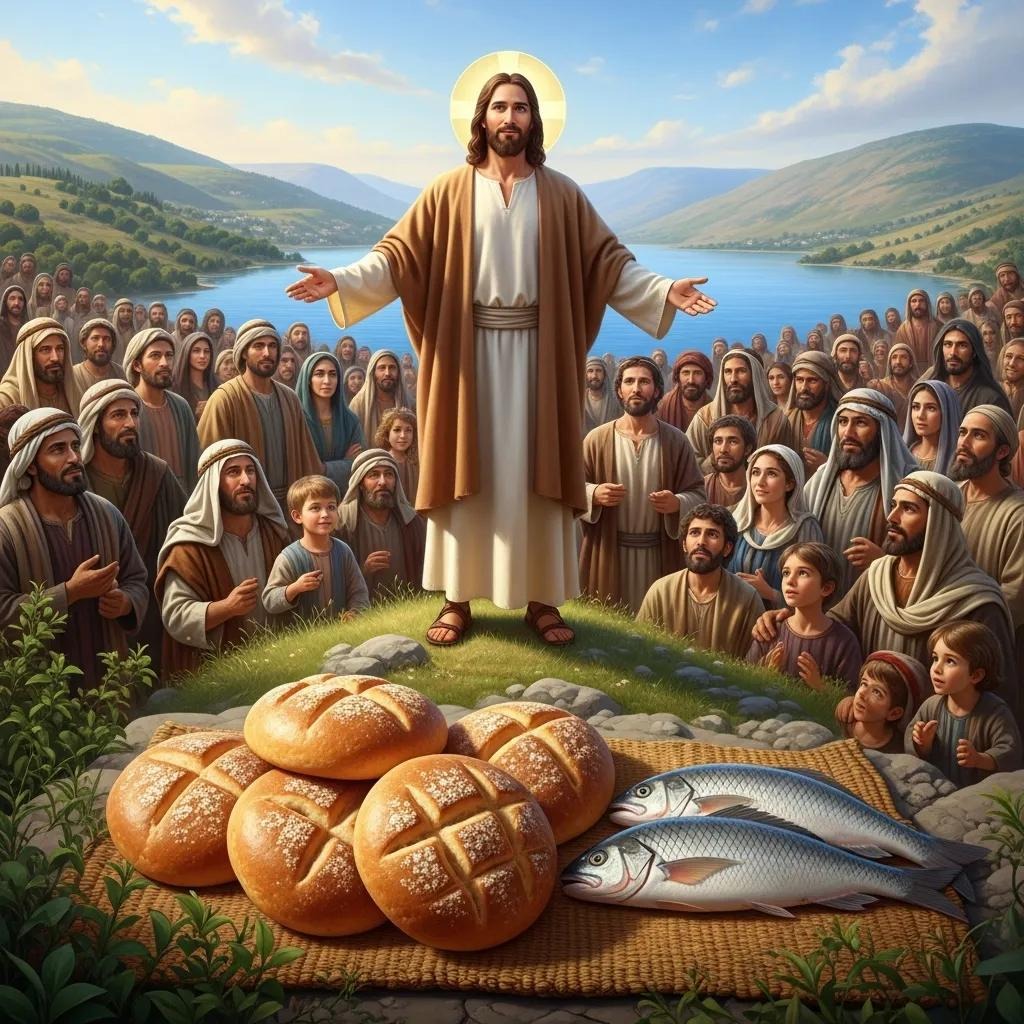
The Feeding of the 5000 is one of the most remarkable miracles attributed to Jesus Christ, showcasing not only His divine power but also profound lessons in faith and community. This miracle, where five loaves and two fish fed a multitude, serves as a powerful reminder of God‘s provision and the importance of sharing. In this article, we will explore the events surrounding this miracle, its biblical accounts, its significance in Christian teachings, and practical applications for believers today. By understanding the Feeding of the 5000, we can deepen our faith and learn how to apply these lessons in our daily lives.
What Happened During the Feeding of the 5000?
The Feeding of the 5000 is a significant event recorded in the Gospels, where Jesus performed a miracle that demonstrated His compassion and divine authority. This event took place near the Sea of Galilee, where a large crowd had gathered to hear Jesus teach. As the day wore on, the disciples expressed concern about the crowd’s hunger, prompting Jesus to take action.
Who Was Involved in the Miracle Event?
Key ps in this miracle include Jesus, His disciples, and the multitude of people who had come to hear Him speak. Jesus, moved by compassion, instructed His disciples to feed the crowd. The disciples, however, were initially overwhelmed by the task, questioning how they could possibly provide for so many with so little. This moment highlights the contrast between human limitations and divine possibilities.
What Are the Key Objects: Loaves and Fishes?
The miracle centers around five barley loaves and two small fish, provided by a boy in the crowd. These humble offerings symbolize the idea that even the smallest contributions can lead to great outcomes when placed in the hands of Jesus. The loaves and fishes not only served as the means for the miracle but also represent the abundance that can arise from faith and sharing.
Where Is the Feeding of the 5000 Recorded in the Bible?
The Feeding of the 5000 is documented in all four Gospels, emphasizing its importance in the New Testament narrative. Each account provides unique details that enrich our understanding of the event.
Which Gospel Accounts Describe the Miracle?

- Matthew 14:13-21: This account highlights Jesus‘ compassion and the organization of the crowd into groups.
- Mark 6:30-44: Mark’s version emphasizes the disciples’ role in distributing the food.
- Luke 9:10-17: Luke focuses on the prayer Jesus offered before the miracle.
- John 6:1-14: John’s account uniquely mentions a boy who had five barley loaves and two fish, but it does not explicitly identify him by name, adding a personal touch to the story.
How Do Scriptural References Enhance Understanding?
The various Gospel accounts provide a comprehensive view of the miracle, allowing readers to appreciate its significance from multiple perspectives. These references enhance our understanding of Jesus‘ ministry and His ability to meet both physical and spiritual needs, reinforcing the message of divine provision.
Why Is the Feeding of the 5000 Important in Christian Faith Teachings?
The Feeding of the 5000 holds a central place in Christian teachings, illustrating key principles of faith, trust, and community support. This miracle is not just a historical event but a source of spiritual lessons that resonate with believers today.
What Faith Lessons Does the Miracle Teach?
- Trust in God’s Provision: The miracle teaches that God can provide abundantly, even when circumstances seem dire.
- The Power of Sharing: It emphasizes the importance of sharing what we have, no matter how small, as it can lead to greater blessings.
- Community Support: The event highlights the role of community in addressing needs, encouraging believers to support one another.
How Does This Miracle Reflect Jesus Christ’s Divine Provision?
The miracle reflects Jesus‘ divine provision by demonstrating His ability to meet the needs of the people. It reassures believers that God cares for their physical and spiritual well-being, encouraging them to rely on Him in times of need. This act of feeding the multitude serves as a foreshadowing of the spiritual nourishment Jesus offers through His teachings and sacrifice.
How Does the Feeding of the 5000 Relate to Other Miracles of Jesus?
The Feeding of the 5000 is part of a broader narrative of Jesus‘ miracles, many of which involve themes of provision and healing. Understanding its connection to other miracles enhances our appreciation of Jesus‘ ministry.
What Are Common Themes Among Jesus Feeding Miracles?
- Divine Provision: Many of Jesus‘ feeding miracles, including the Feeding of the 4000, emphasize God‘s ability to provide for physical needs.
- Community Involvement: These miracles often involve the participation of the community, highlighting the importance of collective action.
- Spiritual Nourishment: Feeding miracles often serve as metaphors for spiritual sustenance, pointing to Jesus as the Bread of Life.
How Does This Event Fit Within New Testament Miracles?
The Feeding of the 5000 fits within the New Testament miracles as a demonstration of Jesus‘ authority over nature and His compassion for humanity. It serves as a pivotal moment in His ministry, showcasing His ability to perform miracles that address both physical hunger and spiritual thirst.
What Are Practical Applications of the Feeding of the 5000 in Daily Prayer and Faith?

The lessons from the Feeding of the 5000 can be applied in various aspects of daily life, particularly in prayer and community engagement. Believers can draw inspiration from this miracle to enhance their faith practices.
How Can Believers Apply Lessons of Divine Provision?
Believers can apply the lessons of divine provision by:
- Practicing Gratitude: Acknowledging and thanking God for the blessings they have, no matter how small.
- Engaging in Acts of Service: Actively seeking opportunities to help those in need within their communities.
- Trusting in God’s Timing: Learning to rely on God‘s provision, especially during challenging times.
What Role Does Community Sharing Play in Spiritual Growth?
Community sharing is vital for spiritual growth as it fosters connections among believers. By sharing resources, time, and talents, individuals can experience the joy of giving and receiving, which strengthens their faith and builds a supportive community. This practice not only meets physical needs but also nurtures spiritual relationships, reflecting the love of Christ in action.
| Entity | Attribute | Value |
|---|---|---|
| Miracle | Participants | Jesus, Disciples, Crowd |
| Key Objects | Loaves | 5 Barley Loaves |
| Key Objects | Fishes | 2 Small Fish |
This table illustrates the essential components of the Feeding of the 5000, highlighting the participants and key objects involved in the miracle. Understanding these elements helps to appreciate the significance of the event in the context of Jesus‘ ministry.
In conclusion, the Feeding of the 5000 is a profound miracle that teaches valuable lessons about faith, provision, and community. By reflecting on this event, believers can deepen their understanding of God‘s care and learn to apply these principles in their daily lives. For more resources and information, visit FaithTime Bible lessons section.
Frequently Asked Questions
What is the historical context of the Feeding of the 5000?
The Feeding of the 5000 occurred during Jesus‘ ministry in the first century, a time marked by social and political unrest in Judea. The event took place near the Sea of Galilee, where Jesus was teaching a large crowd. This miracle not only addressed the immediate physical need for food but also served as a demonstration of Jesus‘ authority and compassion, reinforcing His role as a spiritual leader during a time when many were seeking hope and guidance.
How do different denominations interpret the Feeding of the 5000?
Different Christian denominations may interpret the Feeding of the 5000 through various theological lenses. For instance, some view it primarily as a literal miracle showcasing Jesus‘ divine power, while others emphasize its symbolic meaning regarding community and sharing. Additionally, denominations may focus on the implications for social justice and the call to serve the needy, reflecting their unique theological perspectives and teachings on faith and action.
What role does faith play in the miracle of the Feeding of the 5000?
Faith is central to the miracle of the Feeding of the 5000, as it illustrates the belief that God can provide abundantly, even in seemingly impossible situations. The disciples’ initial doubt contrasts with Jesus‘ unwavering faith in God‘s provision. This event encourages believers to trust in God‘s ability to meet their needs and to act in faith, demonstrating that even small contributions can lead to significant outcomes when combined with divine intervention. If you’d like a simple devotional app to help you practice that kind of daily trust through Scripture, prayer, and reflection, FaithTime can gently support your walk with God.
How can the Feeding of the 5000 inspire modern acts of charity?
The Feeding of the 5000 serves as a powerful inspiration for modern acts of charity by highlighting the importance of sharing resources and addressing community needs. It encourages individuals to contribute what they can, no matter how small, and to trust that collective efforts can lead to greater impact. This miracle exemplifies the idea that acts of kindness and generosity can create a ripple effect, fostering a culture of support and compassion in today’s society. If you want a bit of structure as you live this out, you can explore FaithTime features that support Bible reading, prayer rhythms, and habit tracking around serving others.
What lessons about leadership can be drawn from the Feeding of the 5000?
The Feeding of the 5000 offers valuable lessons about leadership, particularly in the context of service and compassion. Jesus demonstrated effective leadership by recognizing the needs of the crowd and empowering His disciples to take action. This event teaches that true leaders inspire others to contribute, foster collaboration, and prioritize the well-being of those they serve. It emphasizes that leadership is not just about authority but also about humility and the willingness to serve others.
How does the miracle relate to the concept of abundance in faith?
The miracle of the Feeding of the 5000 embodies the concept of abundance in faith by illustrating that God can multiply our limited resources to meet the needs of many. This event reassures believers that faith can lead to unexpected blessings and that God’s provision often exceeds our expectations. It encourages a mindset of abundance rather than scarcity, inviting individuals to trust in God‘s generosity and to share their blessings with others, fostering a spirit of gratitude and community.
If this miracle encourages you to trust God with your “loaves and fishes,” you can keep growing in that same posture of trust by using a faith app that helps you notice God’s provision in your everyday life and build simple habits of prayer and reflection. As you continue studying the story of the Feeding of the 5000 and other passages about Jesus’ power, you might also want to explore more in‑depth Bible lesson articles that unpack key miracles and teachings, along with topical Bible verses that highlight themes like gratitude, compassion, and spiritual growth. To see how this miracle connects to a lifestyle of Christlike love and generous sharing, you can further reflect with resources such as this guide on Christian charity and this collection of spiritual growth verses, which show how God multiplies even small acts of obedience into blessing for others.