
The Bible is one of the most significant texts in human history, revered by millions around the world. Understanding how many books are in the Bible is essential for anyone exploring its teachings and historical context. This comprehensive guide will delve into the total number of books across various Christian traditions, including the Protestant, Catholic, and Eastern Orthodox canons. Readers will learn about the divisions of the Bible, the differences in book counts among these canons, and the historical reasons behind these variations. By the end of this article, you will have a clearer understanding of the Bible’s structure and the significance of its books.
What Is the Total Number of Books in the Bible? Understanding Bible Book Counts
The total number of books in the Bible varies depending on the Christian tradition. Generally, the Protestant Bible contains 66 books, while the Catholic Bible includes 73 books, and the Eastern Orthodox Bible has even more. This section will explore how the Bible is divided into the Old and New Testaments and the differences in book counts among various canons.
How Is the Bible Divided into Old and New Testaments?
The Bible is divided into two main sections: the Old Testament and the New Testament. The Old Testament contains 39 books in the Protestant tradition, which include historical narratives, poetry, and prophetic writings. The New Testament consists of 27 books, primarily focusing on the life and teachings of Jesus Christ and the early Christian church. This division serves to highlight the transition from the Hebrew scriptures to the Christian message, emphasizing the fulfillment of Old Testament prophecies in the New Testament.
What Are the Differences in Book Counts Among Bible Canons?
Different Christian traditions recognize varying numbers of books in their Bibles. The Protestant canon includes 66 books, while the Catholic Bible has 73, which incorporates seven additional books known as the Deuterocanonical books. The Eastern Orthodox Bible contains even more, with some versions including up to 79 books. The differences in book counts arise from historical decisions made by church councils regarding which texts were considered divinely inspired and authoritative.
Indeed, the historical development of the biblical canon has led to distinct collections of books across major Christian traditions, as further elaborated by scholars.
How Many Books Are in the Protestant Bible? Exploring the 66-Book Canon
The Protestant Bible is composed of 66 books, which are categorized into the Old and New Testaments. This section will provide a detailed look at the specific books included in this canon.
What Are the 39 Books of the Old Testament in the Protestant Bible?
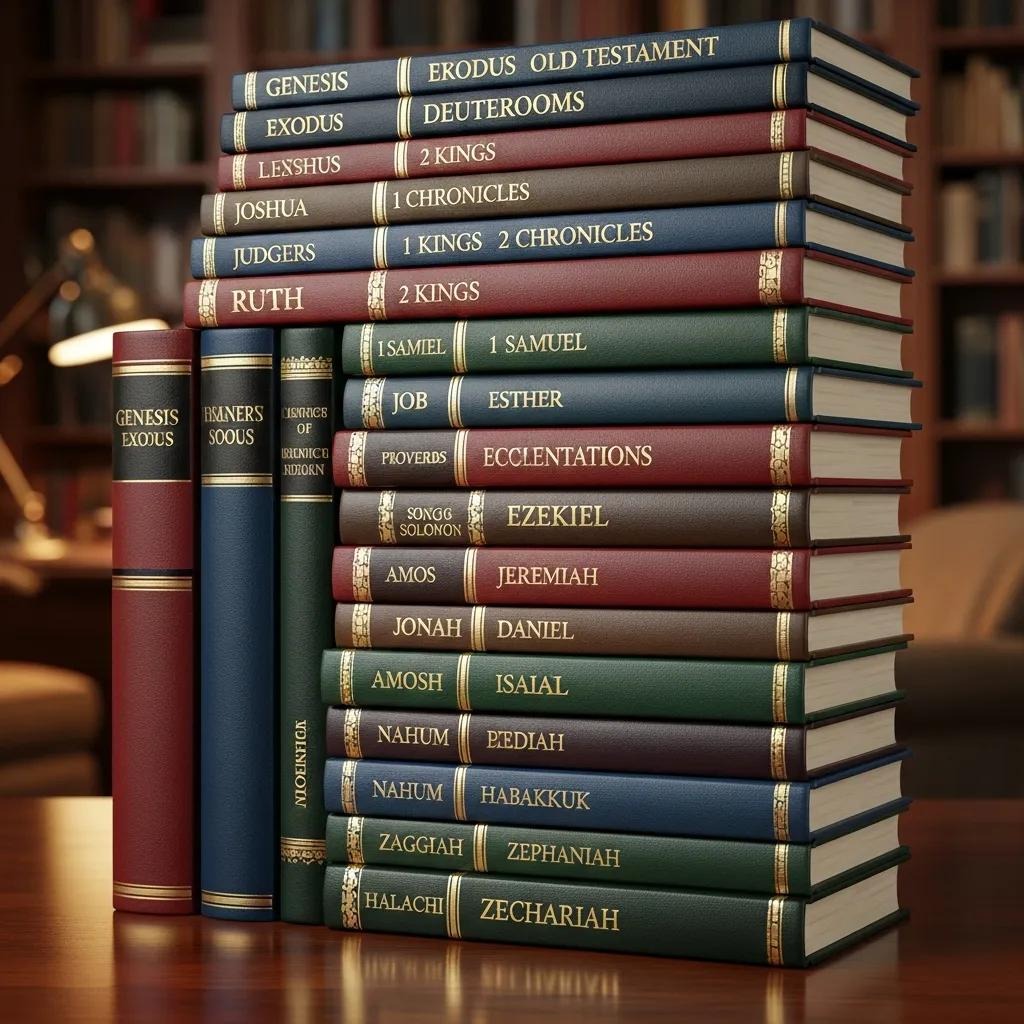
The Old Testament of the Protestant Bible consists of 39 books, which can be grouped into several categories:
- The Pentateuch: Genesis, Exodus, Leviticus, Numbers, Deuteronomy
- Historical Books: Joshua, Judges, Ruth, 1 Samuel, 2 Samuel, 1 Kings, 2 Kings, 1 Chronicles, 2 Chronicles, Ezra, Nehemiah, Esther
- Wisdom Literature: Job, Psalms, Proverbs, Ecclesiastes, Song of Solomon
- The Prophets: Isaiah, Jeremiah, Lamentations, Ezekiel, Daniel, Hosea, Joel, Amos, Obadiah, Jonah, Micah, Nahum, Habakkuk, Zephaniah, Haggai, Zechariah, Malachi
What Are the 27 Books of the New Testament in the Protestant Bible?
The New Testament contains 27 books, which are primarily focused on the life of Jesus and the early church. These books include:
- The Gospels: Matthew, Mark, Luke, John
- Historical Book: Acts
- Pauline Epistles: Romans, 1 Corinthians, 2 Corinthians, Galatians, Ephesians, Philippians, Colossians, 1 Thessalonians, 2 Thessalonians, 1 Timothy, 2 Timothy, Titus, Philemon
- General Epistles: Hebrews, James, 1 Peter, 2 Peter, 1 John, 2 John, 3 John, Jude
- Apocalyptic Literature: Revelation
What Are the Differences Between Catholic and Protestant Bible Book Counts?
The Catholic Bible differs from the Protestant Bible in its inclusion of additional books, known as the Deuterocanonical books. This section will explore these differences in detail.
Which Deuterocanonical Books Are Included in the Catholic Bible?
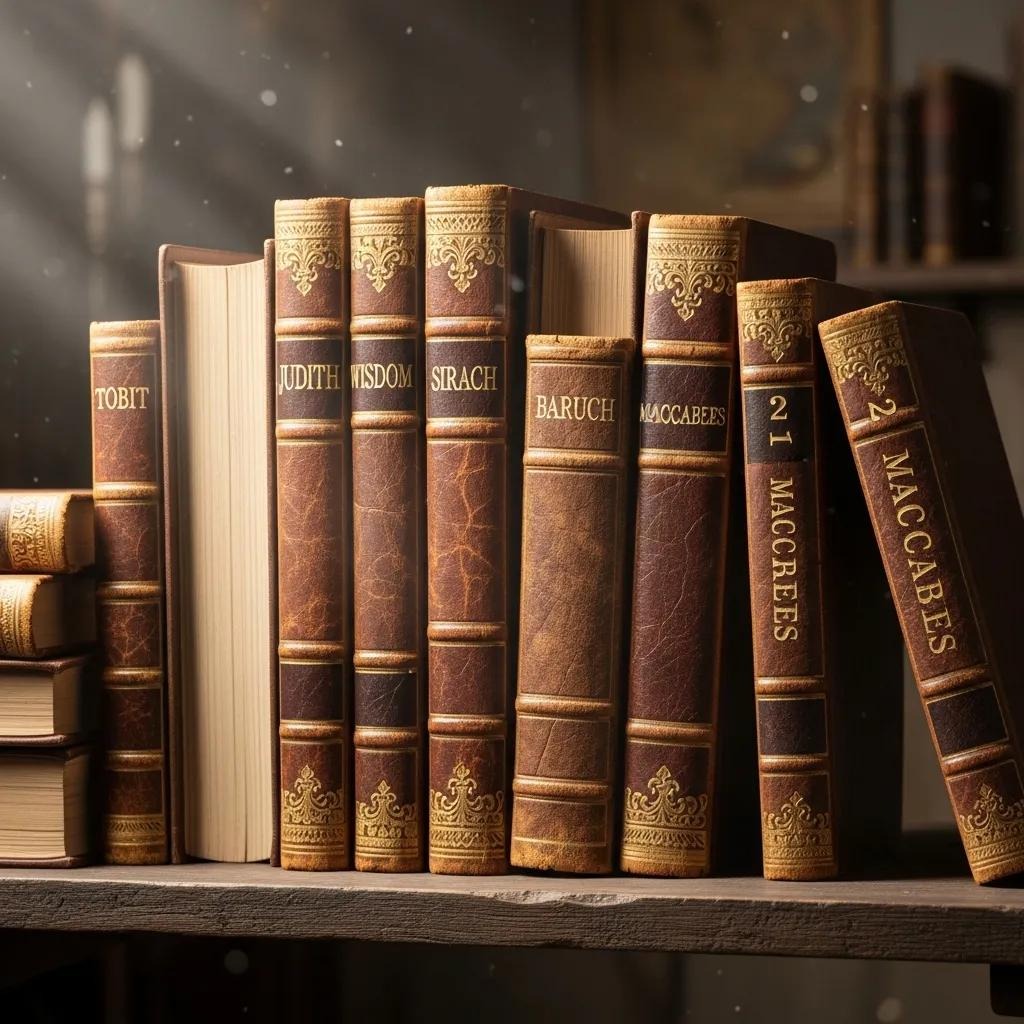
The Catholic Bible includes seven Deuterocanonical books that are not found in the Protestant canon. These books are:
- Tobit
- Judith
- Wisdom
- Sirach (Ecclesiasticus)
- Baruch
- 1 Maccabees
- 2 Maccabees
These texts are considered canonical by the Catholic Church and are included in the Old Testament.
How Does the Catholic Bible Total 73 Books?
The total of 73 books in the Catholic Bible is reached by adding the 7 Deuterocanonical books to the 66 books found in the Protestant Bible. This inclusion reflects the Catholic Church’s belief in the authority of these texts, which were affirmed during the Council of Trent in the 16th century. The differences in book counts highlight the theological and historical distinctions between Catholic and Protestant traditions.
The Council of Trent’s role in solidifying the Catholic canon, particularly regarding the Deuterocanonical books, is a pivotal moment in this historical divergence.
How Many Books Are in the Eastern Orthodox Bible? Understanding Its Unique Canon
The Eastern Orthodox Bible contains a unique collection of books that further expands the biblical canon. This section will examine the specific books included in this tradition.
What Additional Books Does the Eastern Orthodox Bible Include?
The Eastern Orthodox Bible includes several additional books beyond those found in the Catholic and Protestant canons. Some of these books are:
- 1 Esdras
- 3 Maccabees
- 4 Maccabees (considered an appendix in some traditions)
- Prayer of Manasseh
- Psalm 151
These texts are recognized as canonical by various Eastern Orthodox churches and contribute to the richness of the biblical tradition.
Why Does the Eastern Orthodox Bible Have More Books?
The larger canon of the Eastern Orthodox Bible is a result of historical and theological factors. The Eastern Orthodox Church has maintained a tradition of including texts that were widely used in early Christian worship and teaching. The decisions regarding the canon were influenced by various church councils and the historical context of the early church, leading to a broader acceptance of certain texts.
Why Do Different Christian Bibles Have Different Numbers of Books? The History of Bible Canonization
The differences in the number of books among Christian Bibles can be traced back to the history of canonization. This section will explore the key events and councils that shaped the biblical canon.
What Was the Role of the Council of Jamnia and Other Early Councils?
The Council of Jamnia, held around 90 AD, is traditionally thought to have played a role in the formation of the Hebrew Bible canon, though modern scholarship questions the extent of its influence. This council addressed the status of various texts and helped solidify the Jewish canon, which later influenced Christian canonization. Other early councils, such as the Council of Nicaea (325 AD) and the Council of Trent (1545–1563), further defined the canon for both the Catholic and Protestant traditions, leading to the differences we see today.
How Did the Reformation Influence Bible Book Counts?
The Reformation in the 16th century had a profound impact on the Bible’s canon. Reformers like Martin Luther questioned the inclusion of certain books, particularly the Deuterocanonical texts, leading to their exclusion from the Protestant Bible. This shift reflected broader theological disagreements about authority, tradition, and the nature of scripture, resulting in the distinct canons we recognize today.
How Can FaithTime Help You Explore the Books of the Bible? Bible Study Tools and Resources
Faithtime.ai is a daily devotional app designed to help users grow their faith through simple daily goals, such as short prayers or Bible verses. This section will explore how FaithTime can enhance your understanding of the Bible.
How Do FaithTime’s Bible Lessons Guide You Through the Bible Books?
FaithTime offers structured Bible lessons that guide users through the various books of the Bible. Each lesson is designed to provide insights into the text, helping users understand the historical context, themes, and applications of scripture. This approach encourages deeper engagement with the Bible and fosters spiritual growth.
What Is the Bible AI Chat and How Does It Answer Your Questions?
The Bible AI Chat feature in FaithTime allows users to ask questions about scripture and receive instant answers. This interactive tool leverages advanced AI technology to provide accurate and relevant information, making it easier for users to explore biblical texts and clarify their understanding of complex topics. By integrating technology with faith, FaithTime enhances the Bible study experience for users seeking to deepen their knowledge.
If you want to keep exploring how different Christian traditions count and organize the books of Scripture, FaithTime offers several tools and guides that can help. You can use Bible lessons to go deeper into the structure of the Bible and how its books are grouped across Protestant, Catholic, and Orthodox canons, and the Christian glossary to clarify key terms like “canon,” “Deuterocanonical,” or “Apocrypha” in simple language. As you continue learning, the FaithTime homepage gives you access to more resources on Bible history and interpretation, and you can also read focused guides such as How Old Is the Bible? and Orthodox Bible books to see how the Bible’s age, development, and canon lists fit together with what you learned in this article.