
The Bible is one of the most widely read and studied texts in history, yet its physical length can vary significantly depending on the edition and translation. Understanding how many pages the Bible contains is essential for readers who wish to engage with this sacred scripture effectively. In this article, we will explore the average page count of the Bible, the factors that influence its length, and how different translations compare.If you’re looking for a simple devotional app to help you actually read and reflect on these pages day by day, FaithTime offers guided Scripture, prayer prompts, and habit tools to support your Bible reading journey. Additionally, we will discuss canonical differences, word and chapter counts, reading times, and tips for selecting the right Bible edition based on length. By the end of this guide, you will have a comprehensive understanding of the Bible’s physical dimensions and how they relate to your reading experience.
What Is the Average Page Count of the Bible?
The average page count of the Bible can vary widely, typically ranging from about 1,000 to 1,500 pages, depending on the translation and formatting. This variation is influenced by several factors, including font size, layout, and the inclusion of additional materials such as maps and commentary. Understanding these factors can help readers choose the right edition for their needs. Once you’ve chosen a Bible that fits you, you can explore FaithTime features like Bible reading trackers, devotional plans, and prayer journaling tools to turn page counts into a steady, sustainable habit of engaging God’s Word.
What Factors Influence the Bible’s Page Count?
Several factors contribute to the Bible’s page count, including:
- Font Size: Larger fonts increase the number of pages, while smaller fonts can condense the text.
- Layout: The arrangement of text, including margins and spacing, affects how much content fits on a page.
- Translation: Different translations may use varying amounts of text to convey the same message, impacting overall length.
These elements combine to create a diverse range of Bible editions, each with its unique page count.
How Do Different Bible Translations Compare in Page Count?
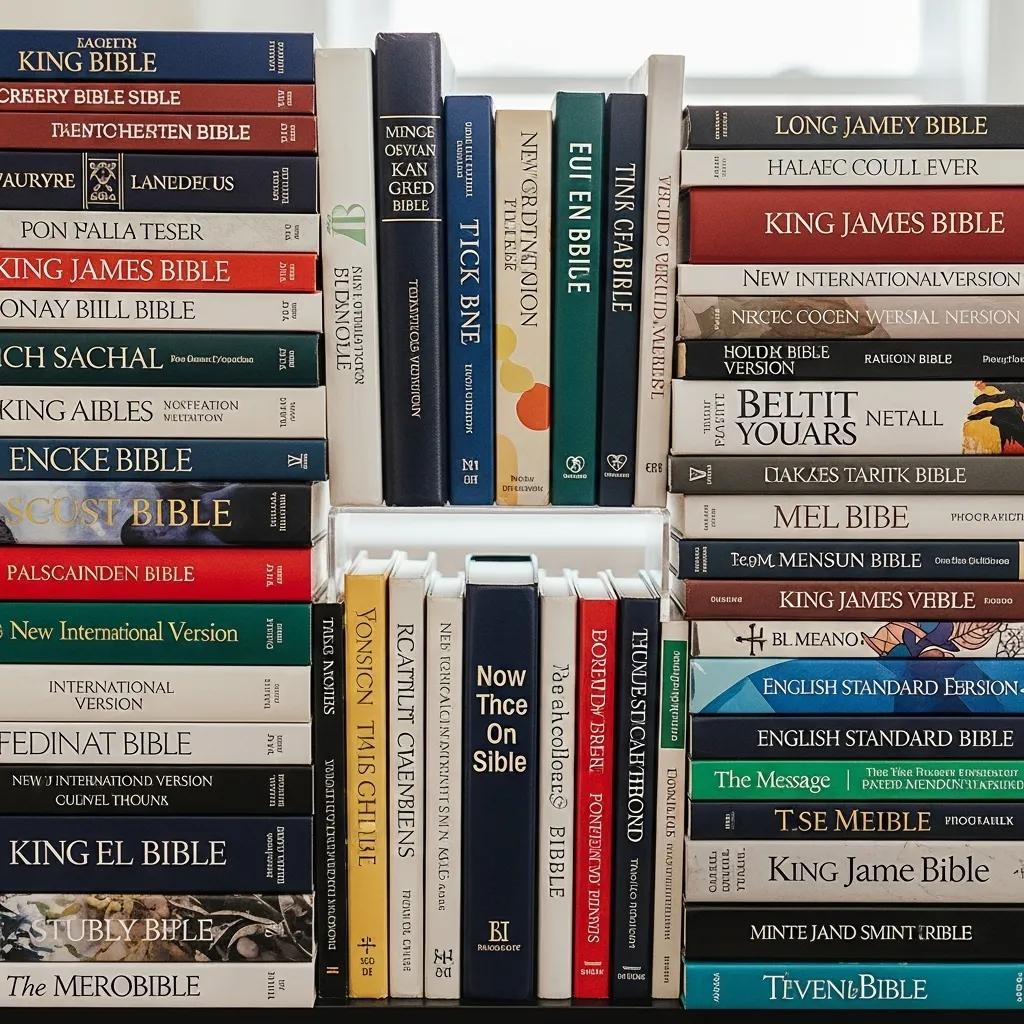
To illustrate the differences in page counts among popular Bible translations, the following table provides a comparison:
| Translation | Page Count | Notes |
|---|---|---|
| King James Version (KJV) | ~1,200 | Traditional text with a classic layout. |
| New International Version (NIV) | ~1,100 | Modern language, often with study notes. |
| English Standard Version (ESV) | ~1,100 | Known for its word-for-word accuracy. |
This comparison highlights how translation choices can significantly affect the physical length of the Bible.
How Do Canonical Differences Affect Bible Length?
Canonical differences among various Christian traditions also impact the total page count of the Bible. The Protestant, Catholic, and Orthodox Bibles include different books, which can lead to variations in length.
Further elaborating on these variations, a study highlights the historical evolution and specific distinctions in biblical canons across different Christian traditions.
What Are the Page Counts for Protestant, Catholic, and Orthodox Bibles?
The following table outlines the approximate page counts for different canonical versions of the Bible:
| Canon Type | Page Count | Notes |
|---|---|---|
| Protestant | ~1,200 | 66 books total. |
| Catholic | ~1,400–1,600 | Includes deuterocanonical books. |
| Orthodox | ~1,600–1,800 | Contains additional texts not found in Protestant Bibles. |
These differences illustrate how the inclusion of additional books can expand the overall length of the Bible.
How Do Study Bibles and Large Print Editions Impact Page Numbers?
Study Bibles and large print editions often have increased page counts due to added features. For example:
- Study Notes: These provide commentary and insights, increasing the total page count.
- Large Print: Designed for readability, these editions use larger fonts, resulting in more pages.
Readers should consider these factors when selecting a Bible that meets their study and reading needs.
What Are the Bible’s Word and Chapter Counts?
In addition to page counts, understanding the Bible’s word and chapter counts can provide further insight into its length. The total word count varies by translation, but it generally falls within a specific range.
How Many Words Are in Major Bible Translations?
The following table compares the word counts of major Bible translations:
| Translation | Word Count | Notes |
|---|---|---|
| King James Version (KJV) | ~783,137 | Traditional text with a poetic style. |
| New International Version (NIV) | ~727,969 | Modern language, accessible to readers. |
| English Standard Version (ESV) | ~757,439 | Known for its accuracy and readability. |
These ps highlight the substantial differences in word counts across translations.
What Is the Breakdown of Chapters and Verses in the Old and New Testaments?
The Bible is divided into chapters and verses, which can also vary by translation. The following breakdown provides a general overview:
- Old Testament: 929 chapters and 23,145 verses.
- New Testament: 260 chapters and 7,957 verses.
This structure allows for easier navigation and reference within the text.
How Long Does It Take to Read the Bible?

Reading the Bible can be a significant commitment, and understanding the time required can help readers plan their approach.
What Is the Average Reading Time for the Entire Bible?
On average, it takes about 70 hours to read the entire Bible, depending on the reader’s pace. This estimate can vary based on individual reading speed and comprehension.
How Can Reading Plans Help Manage Bible Length?
Reading plans can be an effective way to manage the length of the Bible. Here are some benefits of using a reading plan:
- Structured Approach: Provides a clear path through the text.
- Daily Goals: Helps readers set manageable daily reading targets.
- Engagement: Encourages consistent engagement with the scripture.
By following a reading plan, individuals can make their Bible reading experience more manageable and fulfilling.
How Can You Choose the Right Bible Edition Based on Length?
Selecting the right Bible edition involves considering various factors related to length and usability.
What Should You Consider Regarding Portability and Study Needs?
When choosing a Bible edition, consider the following:
- Portability: Smaller, compact editions are easier to carry.
- Study Needs: Larger editions with study notes may be more beneficial for in-depth study.
Balancing these factors can help you find a Bible that fits your lifestyle and study preferences.
For those interested in the mission and background of platforms designed to support spiritual journeys, learning more about their foundational principles can be enriching.
How Does FaithTime Support Your Bible Reading Journey?
Faith app is a daily devotional app that helps users grow their faith through simple daily goals such as short prayers or Bible verses. By integrating Faithtime into your reading routine, you can enhance your engagement with the scripture and stay motivated in your spiritual journey. The app offers features that support your Bible reading, making it easier to incorporate daily scripture into your life.
Should you have further questions or require assistance on your spiritual path, reaching out to dedicated support channels can provide valuable help.
If questions about page counts have made you curious about the Bible’s structure and history, you can keep going with focused guides like How Many Books and How Old Is the Bible?, which unpack canon differences, timelines, and key manuscripts so you can see how a long, complex library of Scripture fits together as one unified story.