Beauty in scripture often feels out of reach, yet Solomon 4:7 declares a profound truth: “Thou art all fair, my love; there is no spot in thee.” This single Bible verse invites readers into a fresh awareness of spiritual beauty, blending poetic intimacy with divine acceptance. In this exploration, we will unpack the literal and theological meaning of Song of Solomon 4:7, trace its roots in ancient Israelite culture, examine how different English Bible translations render its words, and reveal how it reflects God’s perspective on redemption.
You will discover practical ways to internalize this promise, see your worth through God’s eyes, and use FaithTime’s daily devotional tools and community support to deepen your engagement with this life-transforming verse. Our journey will cover:
- What Solomon 4:7 means within Song of Solomon and Song of Songs
- How English Bible translations — including the NIV, ESV, and KJV — handle its key words
- The historical and cultural backdrop of bridal imagery
- How the verse illustrates divine love, flawlessness, and the Church as Christ’s bride
- Personal application for self-worth, reflection questions, and integrating daily devotionals
- Related Bible verses that reinforce inner beauty and redemptive grace
- Reader curiosities about this verse and how FaithTime enriches your study
By the end, you will grasp how this single line from the Song of Songs can reshape your view of beauty and inspire a closer walk with God.
What Is the Meaning of Solomon 4:7 in the Song of Solomon?
Solomon 4:7 defines spiritual beauty as inherent perfection bestowed by divine love. The Bible verse states that the beloved is completely beautiful and without blemish, reflecting both an intimate human declaration and an allegory of Christ’s redemptive work. This dual meaning offers believers a lens to understand inner worth: beauty is not merely outward grace but the outcome of God’s transformative power working through unmerited grace.
Breaking down the verse, we see three key elements:
- A declaration of complete beauty
- An address to the beloved as “my love” or “my darling”
- A reassurance of flawlessness
Each element invites reflection on how grace restores and refines personal identity, laying the groundwork for deeper cultural and theological insights.
How Does Solomon 4:7 Describe Beauty and Flawlessness?
The phrase “Thou art all fair, my love” expresses unqualified admiration, emphasizing the beloved’s wholeness. Following this, “there is no spot in thee” conveys purity free from moral or spiritual blemish. Together, they affirm that true beauty, in God’s view, is inseparable from righteousness. These phrases reveal that inner beauty, as God defines it, results from unmerited grace rather than human effort. This understanding bridges literary praise and spiritual reality.
| Phrase | Literal Meaning | Theological Insight |
| Thou art all fair, my love | You are completely beautiful, my beloved | Divine acceptance affirms worth beyond appearance |
| There is no spot in thee | You have no blemish or stain | Christ’s redemptive work cleanses believers completely |
How Do Different English Bible Translations Render Solomon 4:7?
The word choices across English Bible translations reveal important nuances in how this Bible verse communicates beauty and perfection. The NIV (New International Version) renders it: “You are altogether beautiful, my darling; there is no flaw in you.” The ESV (English Standard Version) follows closely: “You are altogether beautiful, my love; there is no flaw in you.” The KJV preserves the more archaic “Thou art all fair, my love; there is no spot in thee,” while the NKJV updates the word choices to “You are all fair, my love, and there is no spot in you.”
Each translation of this Bible verse captures the same core meaning — complete, unblemished beauty — while reflecting the development of English Bible scholarship. The word “flaw” used in the NIV and ESV translations is particularly striking in modern English, underscoring that no imperfection, no defect, and no sin-stain remains in the one whom God addresses in love. For believers studying the Song of Solomon, comparing these English translations deepens appreciation of what the original Hebrew word for “spot” or “blemish” conveys: the total absence of moral or spiritual defect.
Scholars such as Daniel Ploof, who has written on the Song of Solomon’s literary and theological structure, emphasize that the Hebrew word mum (translated as “spot,” “flaw,” or “blemish” across Bible versions) carries priestly and sacrificial weight in the Bible. In the Old Testament, animals offered to God had to be without mum — without blemish. That the same word appears in Song of Solomon 4:7 applied to the beloved is theologically significant: the bride, like a perfect offering, stands wholly acceptable before the one who loves her.
Song of Solomon 4:7 Across Key Bible Translations — NIV, ESV, and KJV Compared
| Translation | Song of Solomon 4:7 Wording | Key Word for “Blemish” |
| KJV | Thou art all fair, my love; there is no spot in thee | Spot |
| NIV | You are altogether beautiful, my darling; there is no flaw in you | Flaw |
| ESV | You are altogether beautiful, my love; there is no flaw in you | Flaw |
| NKJV | You are all fair, my love, and there is no spot in you | Spot |
Who Is the “Darling” in Solomon 4:7?
The “darling” or “my love” in this context refers primarily to the bride in Song of Solomon, symbolizing a devoted human relationship. Allegorically, many interpreters see Christ addressing the Church, portraying a covenant bond based on mutual affection and commitment. This layered identity enriches devotional reading and invites believers to hear God’s personal affirmation. By understanding the beloved’s identity, we prepare to examine how cultural customs shaped this imagery and how it resonates with God’s redemptive narrative in the Bible.
What Is the Spiritual Significance of “No Flaw in You”?
“No flaw in you” — rendered as “no spot in thee” in the KJV — transcends physical perfection to highlight spiritual restoration. It signifies that through Christ’s sacrifice, believers participate in a flawless standing before God. This assurance in the Bible nurtures confidence in divine approval and encourages growth in holiness. Understanding this spiritual dimension of flawlessness directs us next to the historical customs that inspired this poetic celebration in Song of Songs.
What Is the Historical and Cultural Context of Song of Solomon 4:7?
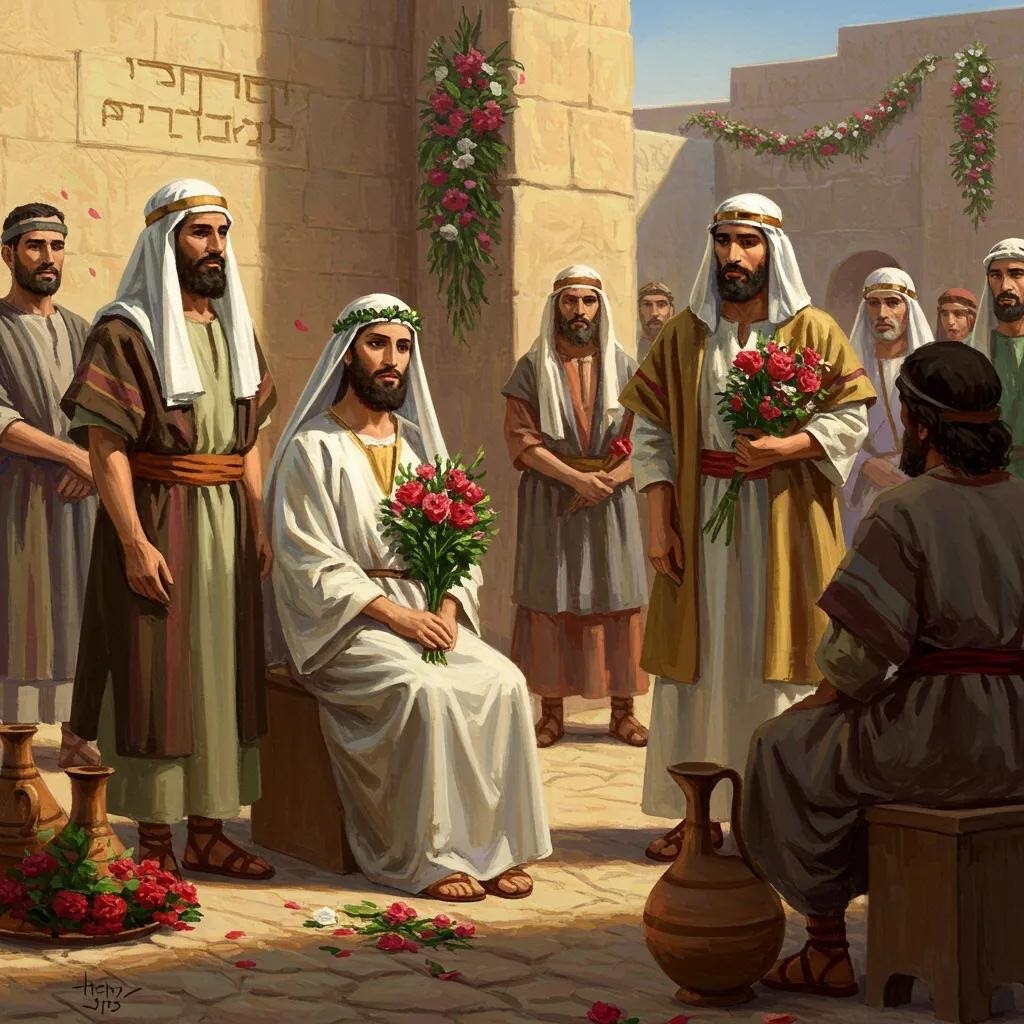
Solomon 4:7 emerges from a rich tapestry of ancient Near Eastern wedding rituals and poetic conventions. Bridal gifts, ornate language, and declarations of beauty were central to nuptial celebrations in the biblical world, reinforcing social bonds and familial alliances. The Song of Songs as a whole — known in Hebrew as Shir HaShirim, “the Song of Songs” — represents the pinnacle of Israel’s lyric poetry, and its placement in the Bible has prompted centuries of interpretation.
Key cultural features included:
- Exchanged love poems as betrothal tokens
- Use of hyperbolic praises to honor bridal worth
- Symbolic references to purity and fertility
- Public declarations of the bride’s flawlessness as part of covenant ceremony
This cultural backdrop demonstrates how declarations of beauty served both social and spiritual functions, setting the stage for divine parallelism in scripture.
How Did Ancient Israelite Marriage Customs Influence This Bible Verse?
Betrothal in ancient Israel often involved formal occasions where the groom publicly praised his bride, using vivid metaphors to express affection. Such celebrations elevated personal devotion to communal significance, embedding the concept of flawless beauty into covenant language. This practice informs our reading of Song of Solomon 4:7 as both human romance and divine metaphor — a Bible verse rooted in lived experience that simultaneously points toward eternal realities.
What Poetic Devices Are Used in Song of Solomon 4:7?
Song of Solomon 4:7 employs parallelism, metaphor, and hyperbole. Parallel phrases reinforce key ideas — complete beauty and spotless purity — while metaphors frame the beloved as the pinnacle of aesthetic and moral excellence. Hyperbole heightens emotional impact, reflecting the intense admiration within both human love and divine devotion. Scholars who study the word-level structure of the Song of Songs note that these devices are not ornamental: they carry theological weight, encoding the Bible’s vision of grace-defined beauty into memorable, repeatable form.
Related Bible terms: Song of Songs, Song of Solomon, Hebrew poetry, bridal allegory, covenant love, mum (blemish), Shir HaShirim
How Does Solomon 4:7 Reflect God’s Perspective on Beauty and Redemption?
Solomon 4:7 mirrors God’s view that beauty and redemption are inseparable. Divine love recognizes the transformed state of believers, celebrating inward renewal rather than external appearance. This theological perspective assures that beauty is a fruit of grace, not merely a trait. The assurance of flawlessness underscores redemption’s full scope: every imperfection, every spot, every blemish is covered by Christ’s righteousness — a theme that runs throughout the Bible from Leviticus to Revelation.
What Does “All Beautiful, My Darling” Reveal About God’s Grace and Love?
“All beautiful, my darling” reveals that God’s grace esteems believers wholly, valuing each person as intrinsically precious. This affirmation in Song of Solomon counters self-criticism and societal pressures by affirming worth based on divine affection rather than performance. Grace, therefore, becomes the foundation of identity — not something earned, but something bestowed. To explore how this grace operates throughout the Bible, Bible verses about grace provide a rich thematic companion to Song of Solomon 4:7, showing how the same unmerited favor celebrated in the Song of Songs runs through Paul’s letters and the entirety of the New Testament.
How Is Flawlessness Connected to Christ’s Redemption in the Bible?
Flawlessness in this Bible verse originates in the atoning sacrifice of Jesus Christ, which removes every stain of sin. Believers, clothed in His righteousness, stand before God as spotless and acceptable. This connection in the Bible empowers spiritual growth through assurance of acceptance rather than striving for perfection. The same word for “blemish” that appears in the Song of Songs also appears in the Old Testament sacrificial system, making Song of Solomon 4:7 a subtle anticipation of the spotless Lamb of God who takes away the sin of the world. What is grace in the Bible explores this redemptive thread in depth, connecting the grace celebrated in Song of Solomon to its full theological expression across the Bible.
How Does This Verse Relate to the Church as the Bride of Christ?
The bride imagery in Song of Solomon extends to the collective Church, emphasizing covenant intimacy and mutual devotion between Christ and His people. Just as a bride is honored and protected, the Church is loved and sanctified. This allegory — developed across the Bible in passages like Ephesians 5:27 and Revelation 19 — invites communal identity rooted in divine grace and purposeful restoration. The Song of Songs, read through this lens, becomes not merely ancient love poetry but the Bible’s most intimate portrait of how God sees His redeemed people: altogether beautiful, with no flaw.
How Can Believers Find Personal Beauty Through God’s Words in Solomon 4:7?
Understanding Solomon 4:7 transforms self-worth by shifting focus from external validation to divine affirmation. Believers can internalize their beauty by believing God’s promise in this Bible verse, reflecting Christ’s spotless grace in daily life. This renewal of identity enhances confidence, purpose, and spiritual flourishing — and it begins with taking the Song of Solomon’s declaration personally.
How Does Understanding This Bible Verse Impact Self-Worth and Faith?
Embracing the promise of Song of Solomon 4:7 encourages a shift from performance-driven acceptance to grace-based identity. When believers internalize “no spot in thee” as a word spoken over their own life, they experience freedom from guilt and renewed confidence in God’s unwavering grace. This foundation fuels greater trust in prayer, bolder service, and resilience in spiritual challenges. The Bible consistently affirms that God’s grace does not evaluate believers on the basis of performance but on the basis of Christ’s completed work — and Song of Solomon 4:7 gives this truth its most beautiful poetic form.
What Are Reflection Questions to Deepen Spiritual Growth?
Below are three prompts to foster ongoing meditation and application:
- How does declaring “all fair” over your life change your self-perception today?
- In what areas do you struggle to believe the Bible when it says God sees you as spotless, and how can you surrender those doubts to grace?
- Which daily practices — prayer, Bible verse meditation, community fellowship — will help you remember God’s flawless acceptance?
These questions lead naturally into integrating Song of Solomon 4:7 into daily devotional rhythms.
How Can Daily Devotionals Incorporate Solomon 4:7?
FaithTime’s structured Bible study approach provides daily prompts around this verse and others like it, combining Bible verse reading, guided prayer, and community sharing. Devotional plans offer brief reflections, journaling sections, and action steps that reinforce God’s affirmation of beauty and grace. Regular engagement builds a habit of meditating on divine promises, fostering sustained spiritual growth rooted in the Song of Solomon’s vision of a beloved made wholly acceptable through grace. For a longer-form commitment, the 30-day Bible reading devotional provides a structured journey through key scripture passages — an ideal framework for sitting with Song of Solomon over an extended season.
What Related Bible Verses Reinforce the Theme of Inner Beauty and God’s Grace?
Several Bible verses complement Solomon 4:7 by emphasizing spiritual beauty, grace, and divine acceptance. These Bible verses create a thematic cluster that reinforces confidence in God’s transformative grace and love. Song of Songs belongs to a wider canon of scripture that consistently insists beauty is defined from the inside out — by righteousness, devotion, and the grace that makes the believer spotless.
| Scripture | Theme | Connection to Solomon 4:7 |
| 1 Peter 3:3–4 | Gentle and quiet spirit | Highlights inner qualities valued by God, echoing spotless purity |
| Proverbs 31:30 | Charm and fear of the Lord | Asserts that reverence for God defines true beauty |
| Ephesians 5:27 | Presentation without blemish | Describes the Church sanctified through Christ, mirroring flawlessness |
| Isaiah 61:10 | Garments of salvation | Celebrates redemption’s transformation of identity and beauty |
| Zephaniah 3:17 | God rejoicing over His people | Reflects the same delight Song of Solomon expresses through the bridegroom’s words |
These Bible verses reinforce the idea that spiritual character and divine relationship — not outward adornment — constitute true beauty. For a comprehensive collection, Bible verses about grace gathers the Bible’s most powerful statements on unmerited favor, many of which echo the unconditional acceptance Solomon declares in Song of Songs 4:7.
Which Scriptures Highlight Spiritual Beauty and Flawlessness?
Scriptures such as Isaiah 61:10 and Zephaniah 3:17 celebrate garments of salvation and rejoicing in God’s grace, further illustrating redemption’s impact on identity. By studying these passages through a systematic Bible reading plan, believers gain a broader perspective on how God values and restores His people — seeing in the Song of Solomon a poetic prologue to the Bible’s full redemption story.
What Are Common Questions About Solomon 4:7 Asked by Readers?
Readers of the Song of Solomon frequently seek clarity on the depth of “all fair” praise, the nature of flawlessness in the Bible, and the verse’s relevance for modern faith. They wonder whether this language reflects human love alone or points to a divine narrative. Many also explore how to live out this promise in daily spiritual practice, and how different English Bible translations — the NIV, ESV, and KJV — shape their understanding of the Song of Songs. These recurring curiosities guide both individual reflection and devotional teaching, offering entry points for deeper study and community discussion around Song of Solomon 4:7.
How Does FaithTime Support Deeper Engagement with Solomon 4:7 and Biblical Beauty?
FaithTime offers a suite of resources designed to deepen interaction with this Bible verse and the Song of Solomon as a whole. Interactive study tools provide verse-by-verse commentary, thematic outlines, and multimedia insights that bring ancient poetry to life. These resources support individual and group learning, enhancing comprehension and application of the Bible’s vision of grace-defined beauty.
What Bible Study Resources Does FaithTime Offer for Song of Solomon?
The platform delivers structured reading plans, expert commentary, and journaling prompts focused on Song of Solomon and related Bible verses. Each day’s content combines historical context, theological reflection on grace, and personal application exercises, guiding users through Song of Solomon 4:7 with clarity and encouragement. Bible AI Chat extends this further, providing AI-guided prompts that support ongoing reflection on Bible verses from the Song of Songs while keeping scripture central.
How Can Joining a FaithTime Community Enhance Spiritual Growth?
Engaging with fellow believers through discussion forums and prayer circles creates accountability and shared insight around Bible verses and devotional themes. Community members exchange reflections, prayer requests, and testimonies of finding grace and beauty in God’s words, reinforcing trust and relevance. This collective journey strengthens individual faith and fosters a sense of belonging rooted in the same grace Song of Solomon celebrates.
What Multimedia Content Explains Solomon 4:7?
FaithTime incorporates short video devotions, audio commentaries, and infographics that illustrate poetic devices and theological themes in the Song of Solomon. These formats make the Bible verse’s message accessible and memorable across different learning styles. For those who want to explore Song of Solomon alongside other key passages, the Bible lessons collection on FaithTime offers structured guides on biblical themes from grace to redemption to covenant love.
Embracing Song of Solomon 4:7’s promise of flawless beauty transforms identity, anchors self-worth in divine grace, and inspires daily devotion. Through cultural insights, English translation study, theological depth, and practical application, this Bible verse becomes a living affirmation of God’s redemptive love. FaithTime’s tools and supportive community amplify these truths, guiding believers toward sustained spiritual growth. May this exploration of the Song of Songs encourage you to embrace your spotless worth and reflect God’s grace and beauty in every aspect of life.