The Last Supper is the final meal Jesus shared with his disciples and a focal moment for Christian worship. Beyond the historical scene, it establishes the Eucharist, frames the bread and wine as covenant signs, and models service and community. This article summarizes the biblical meaning, links to Passover, and how Communion shapes daily faith.
Scholarly inquiry into the early Christian context further illuminates the profound significance and historical place of the Eucharist.
What Is the Meaning and Significance of the Last Supper in the Bible?
The Last Supper inaugurates the Eucharist and points to Jesus’s imminent sacrifice. It condenses key Christian themes—love, redemption, covenant, and community—and establishes Holy Communion as a ritual of remembrance and unity. The meal binds believers to the story of Jesus and to one another in shared practice.
Indeed, the historical and theological aspects of the Last Supper have been a continuous subject of biblical scholarship.
How Does the Last Supper Connect to Jesus’s Teachings and Actions?
Jesus used the meal to teach through word and deed: he modeled servant leadership (washing feet) and redefined the Passover elements as signs of his body and blood. Those actions underline humility, sacrificial love, and a new covenant relationship between God and people—principles central to his ministry.
Why Is the Last Supper Important for Christian Faith Today?
Today the Last Supper is most visible in Communion. Churches use the ritual to remember Jesus, proclaim the gospel, and reinforce communal bonds. Communion unites believers around the same story and invites ongoing faithfulness and fellowship in congregational life.
What Symbolism Do the Bread and Wine Represent at the Last Supper?
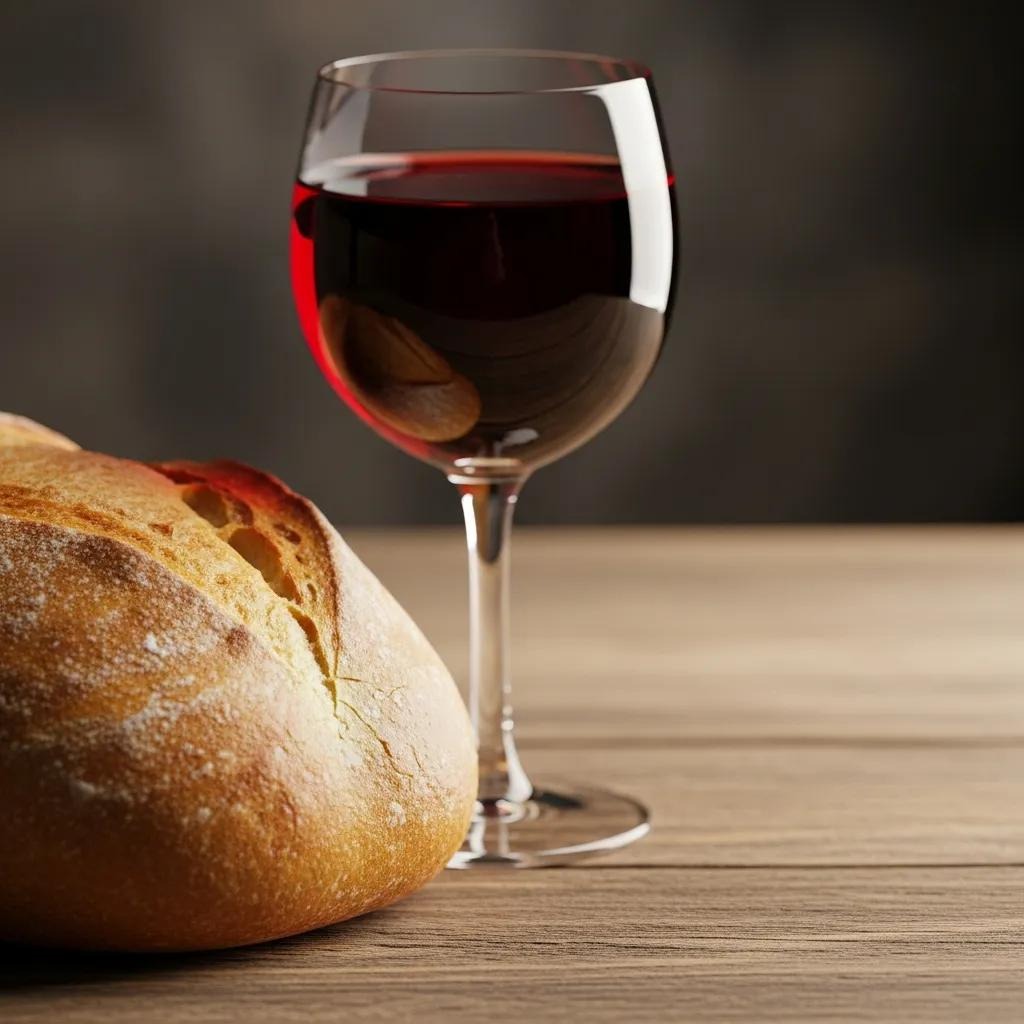
Bread and wine function as concentrated symbols: the bread signifies Christ’s body given for others; the wine signifies his blood and the new covenant. Together they point to sacrifice, forgiveness, and the promise of restored relationship with God.
The ritualistic use of these elements, particularly bread and wine, has been a central concern in understanding the Eucharist’s symbolic and practical dimensions.
How Does the Bread Symbolize Jesus’s Body?
The broken bread signifies a body given and broken for others. In the meal, Jesus’s breaking and sharing of bread anticipates his death and invites reflection on self-giving love. During Communion, the act of breaking bread recalls that sacrifice and its call to faithful lives.
What Does the Wine Represent in Holy Communion?
The wine symbolizes Jesus’s blood and the new covenant that enables forgiveness and restored relationship with God. Drinking the cup in Communion is a tangible act that reaffirms faith in Christ’s redeeming work and the community bound by that covenant.
How Is the Last Supper Related to the Passover and Its Biblical Context?

The Last Supper takes place in the context of Passover, linking Jesus’s death to themes of liberation and deliverance. By reframing Passover elements, Jesus presents himself as the decisive deliverer—often described as the Passover lamb—whose death brings spiritual freedom.
What Is the Significance of Passover During the Last Supper?
Passover’s memory of liberation gives the Last Supper a backdrop of salvation history. Jesus’s use of that meal shows continuity with Jewish tradition while also recasting the story in light of his sacrificial role, connecting deliverance from Egypt to deliverance from sin.
How Did Jesus’s Actions During Passover Shape the Last Supper’s Meaning?
Jesus reinterpreted familiar Passover signs to announce a new covenant and to invite participation in a renewed relationship with God. His words and gestures transformed a traditional meal into a sacramental moment that points forward to redemption and backward to God’s prior acts.
How Can Christians Build Daily Faith Habits Through the Practice of Holy Communion?
Communion supports daily faith by regularly reminding believers of core commitments: repentance, gratitude, and mutual care. When practiced thoughtfully, it strengthens memory, moral resolve, and communal responsibility—all habits that shape a disciplined spiritual life.
What Spiritual Lessons Can Be Drawn from Jesus’s Last Supper Teachings?
Key lessons include humility, service, and sacrificial love. The meal calls Christians to prioritize relationships, practice forgiveness, and live out Jesus’s teachings in ordinary interactions, making faith practical and communal rather than merely private.
How Does Participating in Communion Strengthen Community and Faith?
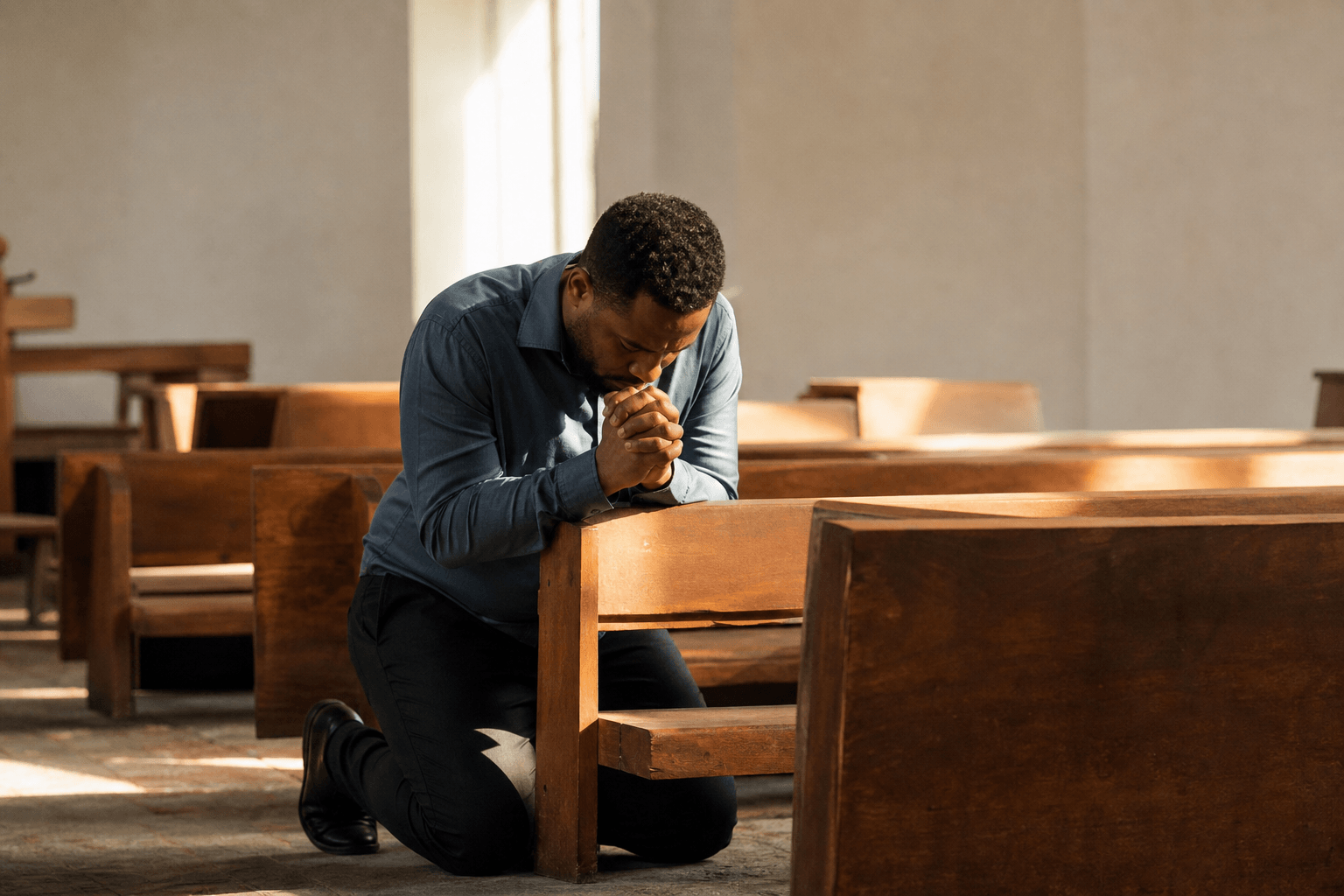
Communion gathers people around a common story and shared practice, creating mutual accountability and encouragement. The ritual fosters belonging and reminds participants of shared identity and mission within the wider body of Christ.
In conclusion, the Last Supper remains central to Christian identity: it shapes theology, worship, and communal habits. Understanding its symbolism, Passover roots, and practical lessons can renew personal faith and strengthen congregational life. For resources to support daily practice, platforms like MetaVibe offer devotionals and lessons.
To explore scripture-based study tools, see Bible lessons.
Learn about the organization behind those resources at the about page.
Frequently Asked Questions
What role does the Last Supper play in Christian liturgy today?
The Last Supper is enacted in Communion services to remember Jesus, proclaim the gospel, and renew communal bonds. Different traditions emphasize remembrance, real presence, or both, but all use the meal to center worship on Christ’s saving work.
How do different Christian denominations interpret the Last Supper?
Denominations range from viewing the elements as symbolic to affirming a real presence (for example, transubstantiation in Catholic theology). Those differences reflect broader sacramental theology but all frame the meal as central to Christian life.
What historical context surrounds the Last Supper?
The meal occurs during Jewish Passover under Roman rule. That context—expectations of deliverance, sacrificial language, and social pressure—shapes how the event was understood by Jesus, his followers, and later Christian writers.
How can the Last Supper influence personal spiritual practices?
Participating in Communion and reflecting on the Last Supper can encourage humility, service, forgiveness, and regular spiritual disciplines like prayer, confession, and communal care.
What is the significance of foot washing during the Last Supper?
Foot washing models servant leadership: Jesus shows that true authority serves others. It remains a powerful symbol in many traditions of humility and mutual care within the community.
How does the Last Supper relate to the concept of forgiveness in Christianity?
The meal centers on a covenant sealed through Jesus’s body and blood, pointing to forgiveness and reconciliation. Communion reminds believers of God’s grace and calls them to extend forgiveness to others.
If you want the meaning of the Last Supper to shape more than just what you understand about church history, let it draw you into a regular rhythm of remembering Christ’s sacrifice, receiving his grace, and loving others in practical ways. As you meditate on Jesus’s words, actions, and the covenant he established through Communion, a simple devotional app can help you build steady habits of Scripture reading, prayer, and reflection that keep your heart focused on him throughout the week. To continue exploring how the Last Supper fits within the larger story of redemption, you can read more Bible lessons on Jesus’ death and resurrection and reflect on curated Bible verses that highlight Christ’s sacrifice and the hope it offers believers today. For further reflection on how to live out these themes in everyday discipleship, you may also find it helpful to explore Prayer for Communion and a practical devotional like Access to the Throne so that each time you participate in the Lord’s Supper, it becomes a fresh reminder to serve, forgive, and walk in humble obedience.