
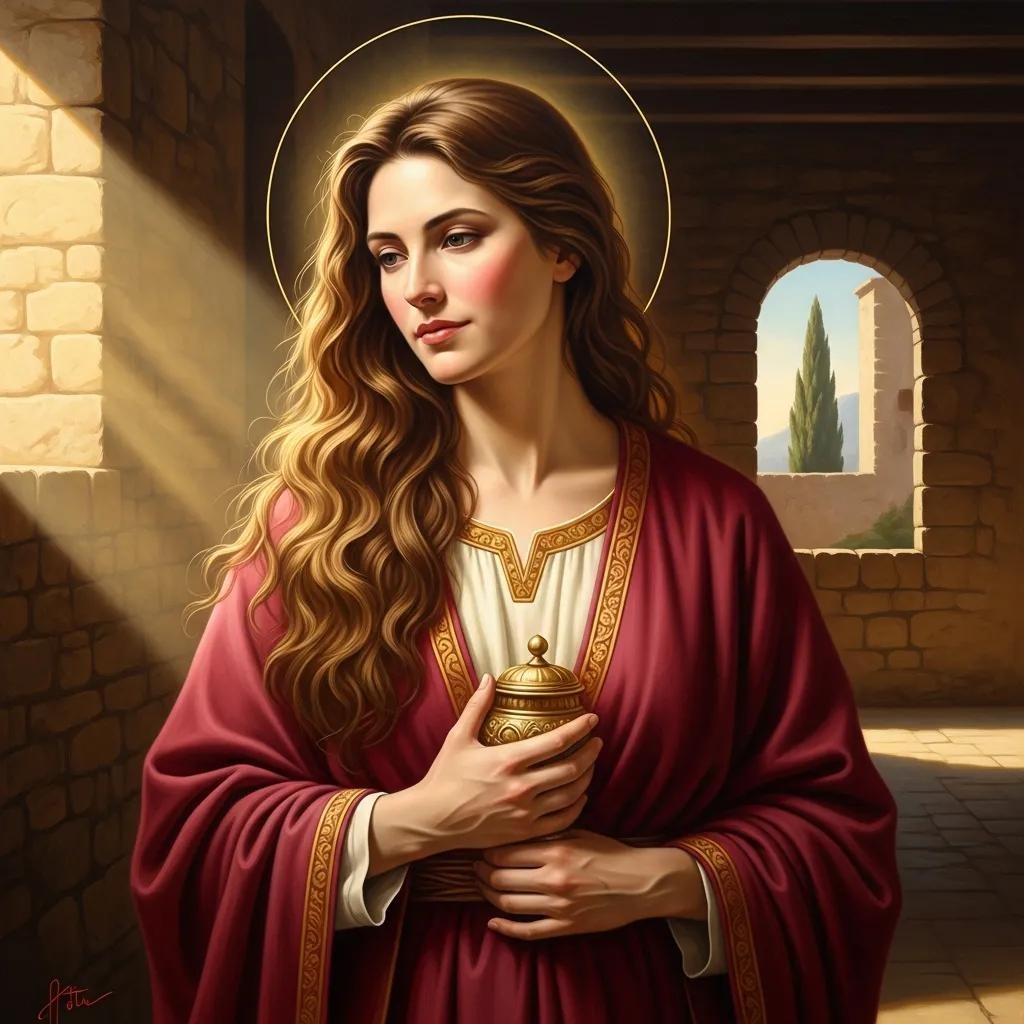
Mary Magdalene is a p of profound significance in Christian tradition, often depicted in various ways throughout history. Her appearance has been a subject of fascination, leading to numerous interpretations in biblical texts, art, and popular culture. This article delves into the various descriptions and representations of Mary Magdalene, exploring what the Bible says about her appearance, how she has been depicted in art through the ages, and the symbolism associated with her image. Readers will gain insights into the historical context of her portrayals and the myths that have shaped public perception. We will also examine how contemporary faith practices view her appearance, providing a comprehensive understanding of this iconic p.
What Does the Bible Say About Mary Magdalene’s Appearance?
The Bible does not provide explicit physical descriptions of Mary Magdalene, leaving much to interpretation. Instead, her identity and role within the Gospels are emphasized, which has led to various cultural interpretations of her appearance. Understanding these aspects is crucial to grasping how she has been perceived throughout history.
Are There Any Physical Descriptions of Mary Magdalene in Gospel Texts?
In the Gospel texts, there are no direct physical descriptions of Mary Magdalene. Instead, her character is defined by her actions and her significant role as a follower of Jesus. This absence of physical detail allows for a wide range of interpretations, often influenced by cultural and artistic contexts. The focus on her spiritual identity rather than her physical appearance highlights her importance in the narrative of the New Testament.
How Do Biblical Accounts Define Mary Magdalene’s Role and Identity?
Mary Magdalene is portrayed as a devoted follower of Jesus, witnessing his crucifixion and being the first to see him after his resurrection. This pivotal role establishes her as a key p in early Christian communities. Cultural perceptions of her identity have evolved, often reflecting societal views on women and spirituality. Her portrayal as a witness to the resurrection underscores her significance, transcending mere physical appearance.
How Has Mary Magdalene Been Depicted in Art Through History?
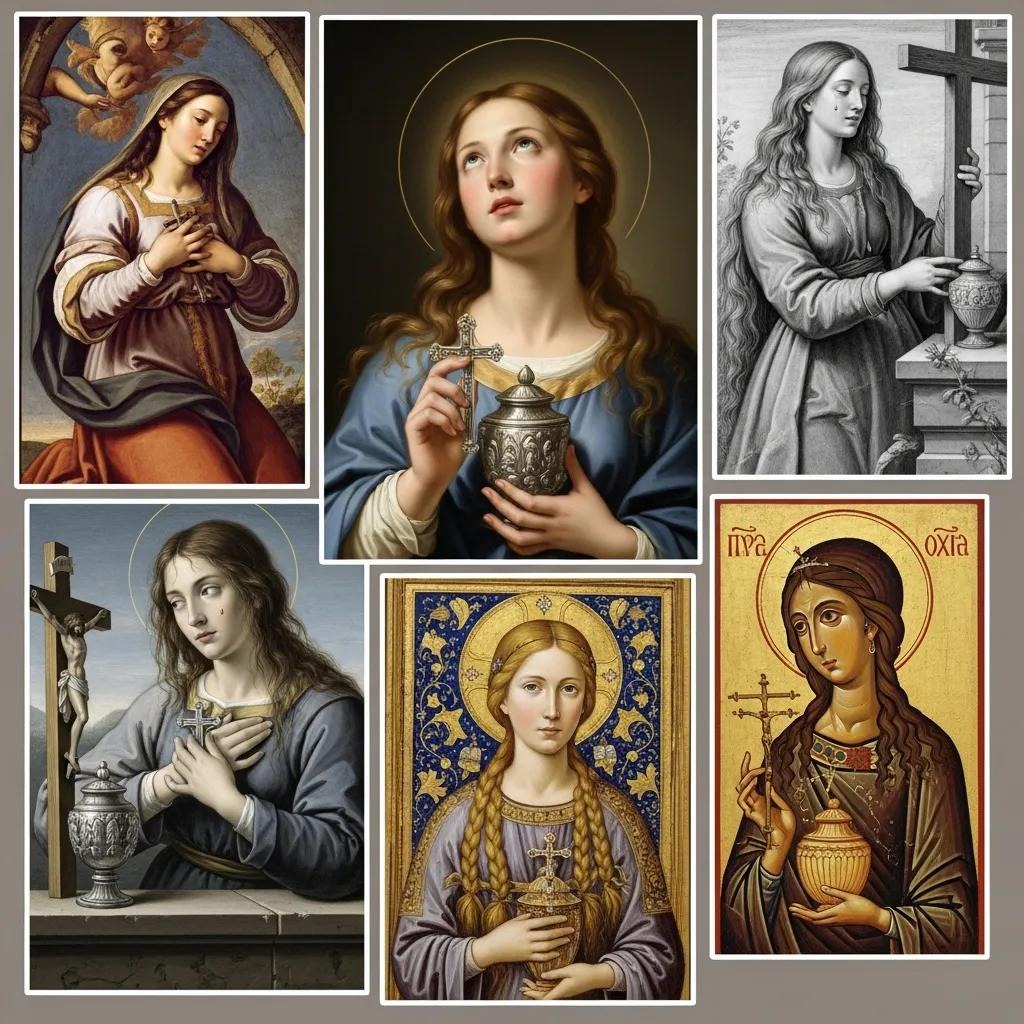
Artistic representations of Mary Magdalene have varied significantly over the centuries, reflecting the cultural and religious contexts of the times. From early Christian art to Renaissance masterpieces, her depiction has evolved, showcasing different attributes and symbols associated with her character. If you’d like tools that help you connect what you’re learning with regular Bible reading and prayer, you can explore FaithTime features that support gentle, consistent spiritual habits.
Scholarly works further elaborate on how Mary Magdalene’s artistic representations have continuously adapted across different historical periods and cultural demands.
What Are the Common Features in Renaissance and Classical Paintings of Mary Magdalene?
Renaissance and classical paintings often depict Mary Magdalene with long hair, a jar of ointment, and sometimes a skull or a cross. These elements symbolize her role as a penitent sinner and a devoted follower of Christ. Artists like Caravaggio and Titian emphasized her emotional depth, portraying her in moments of contemplation or devotion. The use of light and shadow in these artworks often highlights her spiritual significance, inviting viewers to reflect on her character.
How Do Modern Artistic Interpretations Differ in Depicting Mary Magdalene?

Modern interpretations of Mary Magdalene often challenge traditional depictions, reflecting contemporary values and perspectives. Artists may portray her as a strong, independent p, emphasizing her agency and importance in the Christian narrative. This shift can be seen in various media, including film and literature, where her character is often reimagined to resonate with modern audiences. The impact of feminism on her representation has led to a more nuanced understanding of her role, moving beyond historical stereotypes.
What Symbolism and Iconography Are Associated with Mary Magdalene’s Appearance?
Mary Magdalene’s image is rich with symbolism, often conveying deeper meanings through the objects and attributes associated with her. Understanding these symbols can provide insight into her character and the cultural narratives surrounding her.
Why Is Mary Magdalene Often Shown with Long Hair?
Long hair is a recurring motif in depictions of Mary Magdalene, symbolizing femininity and beauty. In biblical times, hair was often associated with a woman’s virtue and status. Artists have used this symbolism to convey her character’s complexity, portraying her as both a sinner and a saint. The choice to depict her with long hair also reflects cultural norms of the time, influencing how her identity is perceived in art.
What Do Objects Like the Jar or Cross Represent in Her Depictions?
Objects such as the jar of ointment and the cross are significant in Mary Magdalene’s depictions. The jar symbolizes her role in anointing Jesus, representing devotion and service. The cross, often included in later artistic interpretations, signifies her connection to Christ’s sacrifice and resurrection. These objects serve to reinforce her identity as a key p in the Christian faith, embodying themes of redemption and hope.
Indeed, the distinctive form and symbolic weight of the ointment jar are consistently highlighted in discussions of Mary Magdalene’s visual identity.
The specific iconography of the ointment jar has been a subject of detailed academic study, tracing its evolution and significance through various historical periods.
What Are Common Myths and Misconceptions About Mary Magdalene’s Appearance?
Over the centuries, various myths and misconceptions have emerged regarding Mary Magdalene’s appearance and identity. These narratives often reflect broader societal attitudes towards women and spirituality.
Was Mary Magdalene a Prostitute?
One of the most persistent myths is the portrayal of Mary Magdalene as a prostitute. This misconception stems from a conflation of her character with that of other women in the Gospels, such as the unnamed sinful woman who anoints Jesus’ feet. However, biblical texts do not support this claim, and many scholars argue that this narrative has been shaped by historical biases against women. Understanding the origins of this myth is essential for a more accurate portrayal of her character.
How Have Popular Culture and Media Influenced Perceptions of Her Look?
Popular culture has significantly influenced perceptions of Mary Magdalene, often perpetuating stereotypes or reimagining her character in new ways. Films, books, and art have contributed to a complex image of her, sometimes emphasizing her sexuality or portraying her as a romantic p. These interpretations can overshadow her spiritual significance, leading to a distorted understanding of her role in the Christian narrative.
How Is Mary Magdalene Viewed in Modern Faith Practices Regarding Her Appearance?
In contemporary faith practices, Mary Magdalene’s image continues to evolve, reflecting changing attitudes towards women in religion. Her portrayal in modern Christian traditions often emphasizes her strength and resilience.
How Do Contemporary Christian Traditions Portray Mary Magdalene?
Many contemporary Christian traditions celebrate Mary Magdalene as a symbol of faith and redemption. Her role as a witness to the resurrection is highlighted, reinforcing her importance in the Christian narrative. Various denominations may interpret her character differently, but there is a growing recognition of her significance as a female p in the faith.
What Role Does Her Appearance Play in Spiritual Reflection and Prayer?
Mary Magdalene’s image serves as a source of inspiration for spiritual reflection and prayer. Her story encourages believers to contemplate themes of forgiveness, devotion, and transformation. In modern faith practices, her appearance is often viewed as a reminder of the power of faith and the importance of women’s roles in spirituality, fostering a deeper connection to the divine. If you’d like a simple devotional app to guide daily prayer and Scripture reflection on Mary Magdalene’s story and other Gospel figures, FaithTime can gently support that journey.
For readers who want to move from reflection into practice, you can use a faith app to guide daily prayer, Bible reading, and Christ-centered meditation on Mary Magdalene’s story and other key Gospel figures. As you explore how Scripture and Christian tradition portray her, you may also appreciate the Bible lessons collection and the Christian glossary collection, which unpack key terms, historical background, and theological themes connected to her life. If you are especially interested in how visual culture and church tradition shape the way women in the Gospels are remembered, you can further deepen your study with the Virgin Mary age article and the glossary entry, which together highlight how biography, theology, and art intersect in the stories of Mary and other New Testament women.