

The role of women in church leadership has been a topic of significant discussion and debate within Christian communities. This article explores key Bible verses that support female pastors, providing a scriptural foundation for their leadership roles. Readers will learn about the theological implications of these verses, historical examples of female leaders in the Bible, and how faith communities can engage with these teachings. Many individuals struggle with understanding the biblical basis for women in ministry, but this exploration offers clarity and encouragement. We will delve into the key scriptures, historical ps, theological arguments, and practical applications that affirm the presence and importance of female pastors in the church today.
What Are the Key Bible Verses Supporting Female Pastors?
Several key Bible verses affirm the roles of women in church leadership, providing a strong foundation for female pastors. These scriptures highlight the theological significance of women’s contributions to ministry and their equal standing in Christ.
Which Scriptures Affirm Women’s Roles in Church Leadership?
Key scriptures that affirm women’s roles in church leadership include:
- Galatians 3:28: This verse emphasizes the equality of all believers in Christ, stating that there is neither male nor female, indicating that gender does not determine one’s value or role in the church.
- Romans 16:1: Here, Paul commends Phoebe, a servant (or deacon) of the church in Cenchreae, highlighting her leadership and service within the early church.
- Acts 2:17-18: This passage quotes the prophet Joel, stating that in the last days, God will pour out His Spirit on all people, including sons and daughters, who will prophesy.
These verses collectively affirm that women have significant roles in church leadership and ministry.
How Do Galatians 3:28 and Romans 16:1 Support Female Pastors?
Galatians 3:28 and Romans 16:1 provide powerful support for female pastors. Galatians 3:28 asserts that all believers are equal in Christ, which directly challenges any notion of gender-based hierarchy in the church. This verse serves as a foundational principle for understanding the inclusivity of God‘s call to ministry.
Romans 16:1 highlights Phoebe‘s role as a servant or deacon, showcasing that women were actively involved in leadership positions in the early church. This acknowledgment of Phoebe‘s ministry not only affirms her leadership but also sets a precedent for recognizing the contributions of women in church roles today.
Who Were the Historical Female Leaders in the Bible?

The Bible features several historical female leaders who played crucial roles in the early church and the broader narrative of scripture. Their stories illustrate the diverse ways women have contributed to ministry throughout biblical history.
What Roles Did Phoebe and Priscilla Play in Early Church Ministry?
Phoebe and Priscilla are two prominent examples of female leaders in the early church. Phoebe is recognized as a servant or deacon in Romans 16:1, where Paul commends her for her service and support of many, including himself. Her role indicates that women were not only participants but also leaders in the church.
Priscilla, alongside her husband Aquila, is noted for her teaching and mentoring of Apollos, an eloquent preacher. This partnership in ministry demonstrates that women were integral to the theological education and leadership development within the early church.
Further research supports the significant role of women like Phoebe in the early church’s apostolic ministry and their eligibility for ordination.
How Do These Examples Illustrate Women’s Spiritual Gifts and Leadership?
The examples of Phoebe and Priscilla illustrate that women possess spiritual gifts that are essential for church leadership. Their contributions highlight the importance of recognizing and utilizing these gifts within the church community. Women in leadership roles can inspire others and foster a more inclusive environment that values diverse perspectives and experiences.
What Theological Arguments Support Women in Ministry?
Theological arguments supporting women in ministry are rooted in scripture and the understanding of God‘s call to all believers, regardless of gender. These arguments provide a framework for affirming the role of female pastors in the church.
How Does Paul’s Teaching Address Women’s Roles in Church?
Paul’s teachings often emphasize the equality of believers in Christ, which directly supports the inclusion of women in ministry. In passages such as Galatians 3:28, Paul articulates that all believers, regardless of gender, are called to serve and lead within the church. This perspective challenges traditional interpretations that limit women’s roles based on cultural norms.
What Is the Biblical Basis for Ordination of Women Pastors?
The biblical basis for the ordination of women pastors can be found in the recognition of their roles as leaders and teachers in the early church. Scriptures that affirm women’s leadership, such as Romans 16:1 and Acts 2:17-18, provide a strong foundation for ordaining women. The acknowledgment of women’s spiritual gifts and their contributions to ministry supports the argument for their ordination and leadership within the church.
How Do Spiritual Gifts Relate to Female Leadership in the Church?
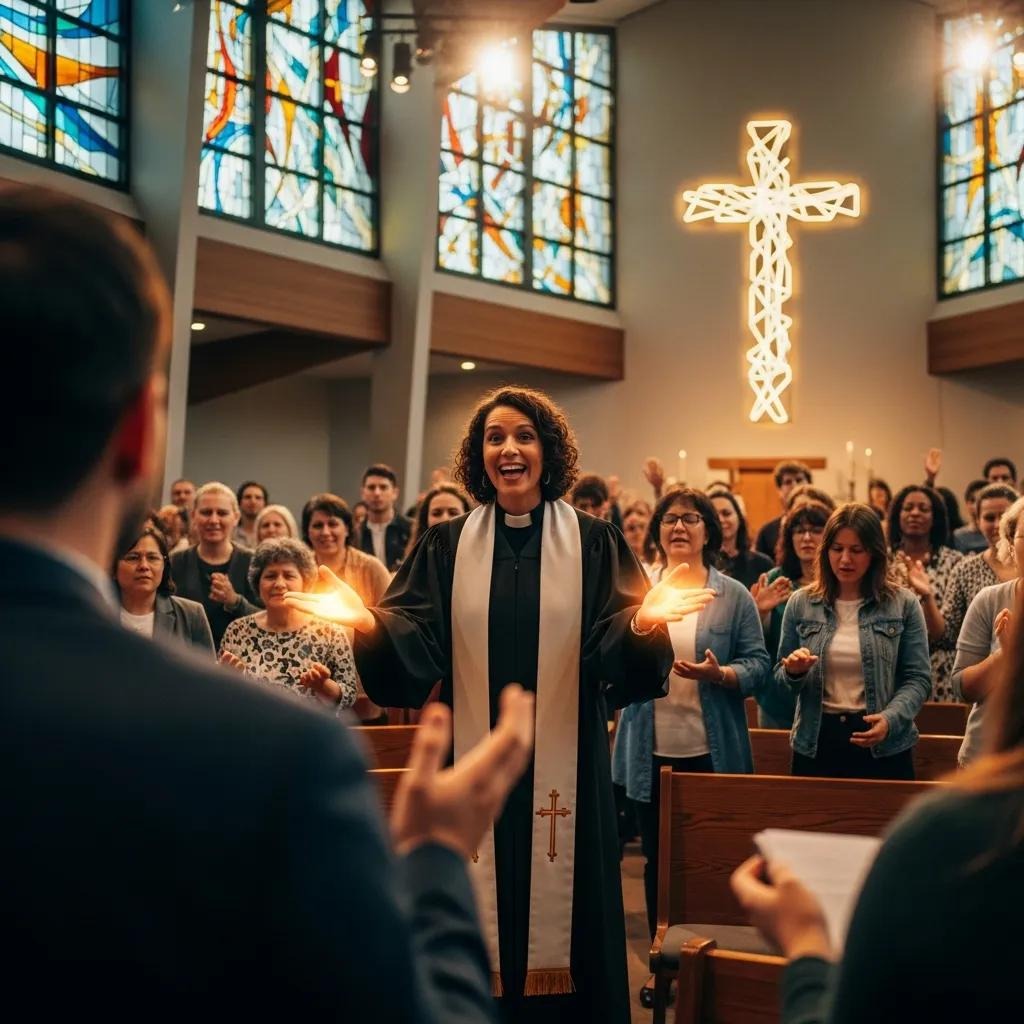
Spiritual gifts play a significant role in understanding female leadership in the church. The New Testament outlines various gifts that are given to believers, regardless of gender, for the edification of the church.
Which Spiritual Gifts Are Evident in Women Pastors According to Scripture?
Women pastors often exhibit spiritual gifts such as teaching, leadership, and prophecy. These gifts are essential for effective ministry and demonstrate that women are equipped to lead and guide congregations. The presence of these gifts in women underscores the importance of their roles in church leadership.
How Does Scripture Validate Women Exercising Teaching and Pastoral Gifts?
Scripture validates women exercising teaching and pastoral gifts through examples of female leaders in the early church. Women like Priscilla, who taught Apollos, and Phoebe, who served as a servant or deacon, exemplify the active roles women can hold in ministry. This validation encourages contemporary churches to embrace and support female pastors in their leadership capacities.
What Are Common Objections to Female Pastors and Their Biblical Responses?
Despite the biblical support for female pastors, objections still arise regarding their roles in ministry. Addressing these objections with scriptural responses is essential for fostering understanding and acceptance.
What Does the Bible Say About Women Preaching and Teaching?
The Bible does not prohibit women from preaching and teaching; rather, it affirms their roles in these capacities. Passages that highlight women’s contributions to ministry, such as those involving Priscilla and Phoebe, demonstrate that women can effectively teach and lead within the church.
How Can Scriptural Interpretations Support Female Pastors Despite Objections?
Scriptural interpretations that support female pastors often focus on the cultural context of biblical texts. Many passages that seem to restrict women’s roles are rooted in specific cultural practices rather than universal principles. By understanding the historical context, churches can embrace a more inclusive interpretation that affirms women’s leadership.
This perspective is further enriched by scholarly approaches that challenge traditional interpretations and advocate for a balanced understanding of women’s roles in ministry.
How Can Faith Communities Engage with Biblical Support for Female Pastors?
Faith communities play a crucial role in affirming and supporting female pastors. Engaging with biblical support for women in ministry can foster a more inclusive church environment.
What Role Does Prayer and Bible Study Play in Affirming Women Leaders?
Prayer and Bible study are essential practices for affirming women leaders within faith communities. Through prayer, congregations can seek guidance and wisdom in recognizing and supporting the gifts of female pastors. Bible study that focuses on the roles of women in scripture can also educate and inspire congregations to embrace female leadership.
How Can Churches Implement Scriptural Teachings on Female Pastors?
Churches can implement scriptural teachings on female pastors by creating opportunities for women to lead and serve in various capacities. This includes ordaining women, providing leadership training, and encouraging their participation in decision-making processes. By actively supporting female pastors, churches can cultivate a more inclusive and vibrant community of faith.
| Scripture | Context | Significance |
|---|---|---|
| Galatians 3:28 | Equality in Christ | Affirms that gender does not determine one’s role in ministry |
| Romans 16:1 | Phoebe as a servant/deacon | Highlights women’s active leadership in the early church |
| Acts 2:17-18 | Prophecy in the last days | Indicates that both men and women will prophesy, affirming women’s roles |
Women in church leadership are supported by a wealth of biblical evidence and historical examples. By engaging with these teachings, faith communities can foster an environment that values and uplifts female pastors, ensuring that their contributions are recognized and celebrated.
To further explore these topics, consider visiting Faith app, a resource dedicated to providing insightful content.
For those interested in deepening their understanding, Bible lessons offer structured learning paths.
Understanding the historical context is crucial for interpreting scripture accurately.
Frequently Asked Questions
What are the benefits of having female pastors in the church?
Having female pastors in the church brings diverse perspectives and experiences that enrich the community. Women often approach ministry with unique insights, fostering inclusivity and empathy. Their leadership can inspire other women and girls to pursue their callings, breaking down barriers and stereotypes. Additionally, female pastors can address issues that resonate with women in the congregation, creating a more supportive environment. Overall, their presence can lead to a more balanced and holistic approach to church leadership and community engagement.
How can churches address objections to female leadership?
Churches can address objections to female leadership by fostering open dialogue and education about biblical teachings that support women in ministry. Hosting workshops, Bible studies, and discussions can help congregants understand the scriptural basis for female pastors. Engaging with theological resources and inviting speakers who advocate for women’s roles can also provide clarity. By creating a culture of respect and understanding, churches can gradually shift perspectives and encourage acceptance of female leadership within their communities.
What role do cultural contexts play in interpreting scripture about women in ministry?
Cultural contexts are crucial in interpreting scripture regarding women in ministry, as many biblical texts reflect the societal norms of their time. Understanding the historical and cultural background of these passages can reveal that some restrictions on women were specific to particular situations rather than universal principles. By examining the cultural dynamics at play, churches can develop a more nuanced understanding of scripture, allowing for a more inclusive interpretation that affirms women’s roles in ministry today.
How can prayer support the inclusion of female pastors?
Prayer can significantly support the inclusion of female pastors by fostering a spirit of unity and discernment within the congregation. Through prayer, church members can seek guidance on recognizing and affirming the gifts of women in leadership. It creates an environment where the community collectively asks for wisdom and understanding regarding scriptural teachings on gender roles. Additionally, prayer can help to soften hearts and minds, encouraging acceptance and support for female pastors in their ministry.
What are some examples of modern female pastors making an impact?
Modern female pastors are making significant impacts in various ways, from leading congregations to advocating for social justice. For instance, women like Rev. Dr. Jacqui Lewis and Rev. Dr. Amy Butler have been influential in their communities, addressing issues such as racial equality and mental health. Their leadership not only inspires congregants but also encourages broader societal change. These examples highlight the vital role female pastors play in shaping contemporary church life and addressing pressing social issues.
How can faith communities create opportunities for female leadership?
Faith communities can create opportunities for female leadership by actively promoting women to leadership roles and providing training programs. This includes offering mentorship, leadership workshops, and ordination pathways specifically designed for women. Additionally, churches can ensure that women are included in decision-making processes and leadership teams. By intentionally creating these opportunities, faith communities can empower women to take on significant roles, fostering a more inclusive and dynamic church environment.
If studying Bible verses that support female pastors has helped you see God’s heart for shared leadership and spiritual gifts, it can be powerful to respond with prayerful reflection and ongoing learning. Using a Christ-centered faith app like FaithTime can help you build consistent habits of Scripture reading and prayer as you seek God’s guidance on women’s roles in the church. To keep exploring this topic, you can dive into structured Bible lessons on calling, ministry, and church leadership, and browse topical Bible verses collections that highlight themes like leadership, service, and spiritual gifts for all believers. You might also be encouraged by general articles such as the guide to best Bible apps that support regular study, and by devotions like The power of community, which can help you appreciate how both women and men build up the body of Christ together through Spirit-led leadership and mutual encouragement.