
Calvinism is a Reformed theological framework originating with John Calvin that emphasizes God’s sovereignty in salvation and the authority of Scripture. This article explains the five points commonly summarized as TULIP, traces their biblical basis, compares Calvinism with Arminianism, outlines Calvin’s role, and suggests practical ways these doctrines shape daily Christian practice.
What Are the Five Points of Calvinism and Their Biblical Basis?
TULIP—Total Depravity, Unconditional Election, Limited Atonement, Irresistible Grace, and Perseverance of the Saints—summarizes central Reformed convictions. Each point draws on Scripture and serves to explain how God acts in salvation and how believers respond under divine initiative.
How Does Total Depravity Explain Human Nature According to Scripture?
Total Depravity teaches that sin affects every part of human life so people cannot turn to God without his intervention. This view appeals to Romans 3 passages, including Romans 3:10–12, which states, The doctrine shows the need for God’s grace rather than human effort for reconciliation.
What Is Unconditional Election and Its Scriptural Foundation?
Unconditional Election holds that God chooses persons for salvation according to his will, not based on human merit. This idea is grounded in passages such as Ephesians 1:4–5, which says that God. It underscores divine initiative in the saving process.
How Does Calvinism Compare to Arminianism in Theology and Practice?

Calvinism and Arminianism offer different emphases on predestination, grace, and human freedom. Calvinism stresses God’s sovereign choice, while Arminianism emphasizes human responsibility in accepting grace; both engage Scripture but draw different pastoral conclusions about assurance and evangelism.
What Are the Key Differences Between Calvinist and Arminian Views on Salvation?
The main distinction concerns whether election is entirely God’s sovereign choice (Calvinism) or conditioned by foreseen faith (Arminianism). This affects how each tradition reads biblical passages about grace, human will, and perseverance.Further elaborating on this theological divide, one source highlights the fundamental disagreement regarding free will and the nature of saving grace.
How Do These Differences Affect Daily Faith and Assurance?
Those differences shape pastoral care and personal assurance. Calvinists often emphasize confidence in God’s unchanging purpose; Arminians typically stress ongoing personal faith and perseverance. Both traditions encourage prayer, Scripture, and community but frame assurance differently.
Who Was John Calvin and What Is His Role in Calvinist Theology?
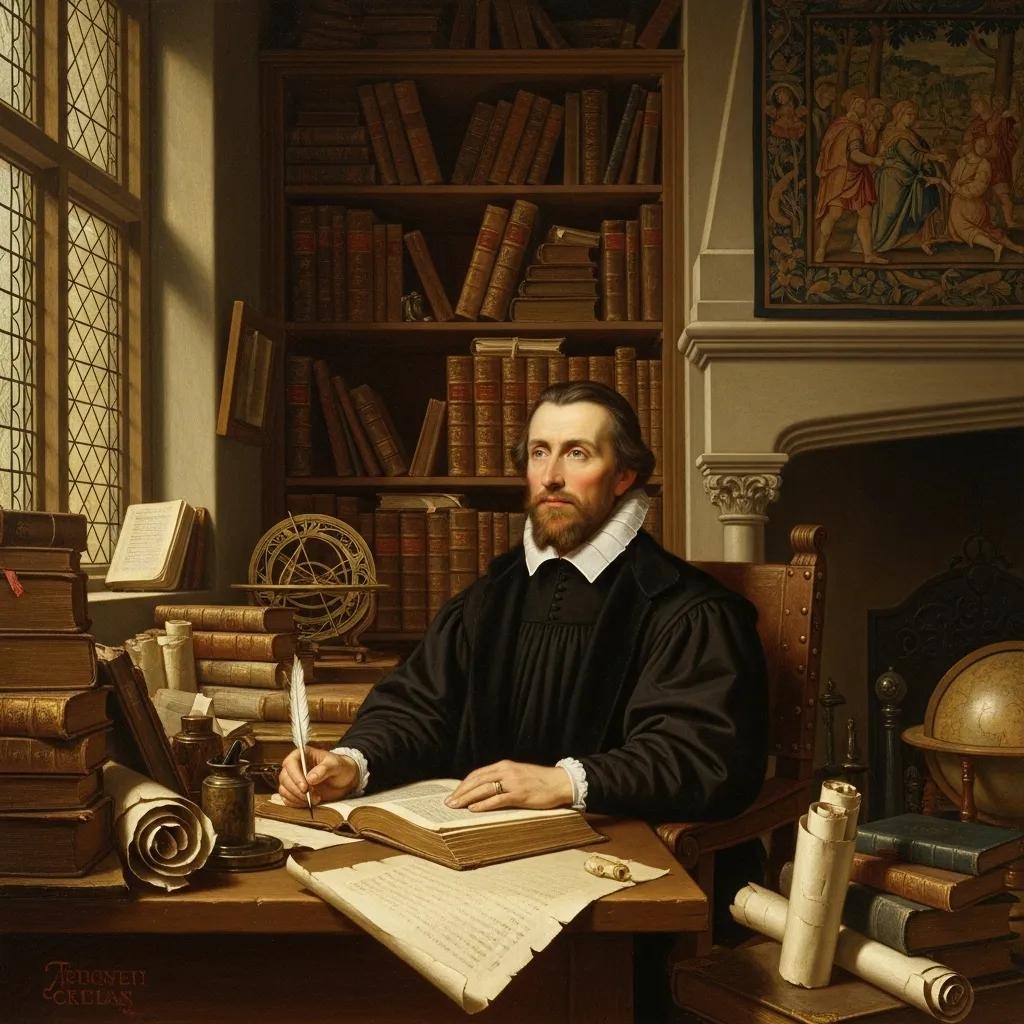
John Calvin was a leading Reformation theologian whose writings systematized Reformed doctrine and influenced Protestant churches worldwide. His emphasis on Scripture, God’s sovereignty, and pastoral order remains central in Reformed circles.
What Contributions Did John Calvin Make to Reformed Doctrine?
Calvin’s Institutes of the Christian Religion provided a clear theological framework—on providence, election, and practical piety—that has guided Reformed theology and shaped denominational life and worship.
How Does Understanding Calvin’s Life Enhance Biblical Foundations?
Calvin’s pastoral work and historical context help explain his theological concerns and his emphasis on disciplined church life, biblical preaching, and the centrality of grace in salvation.
How Can the Five Points of Calvinism Inspire Daily Faith Practices?
Viewed pastorally, the five points encourage Scripture-centered worship, reliance on God in prayer, humility about human ability, and a confident hope in God’s sustaining work in believers’ lives.
What Are Practical Ways to Apply Calvinist Theology in Daily Devotion?
Practical habits informed by these doctrines include:
- Scripture Reading: Regular Bible study that highlights God’s sovereignty and promises.
- Prayer: Dependent, grateful prayer that acknowledges God’s initiative in salvation.
- Community Involvement: Active participation in church for mutual encouragement and accountability.
How Does Community Support Strengthen Consistent Spiritual Growth?
Local church fellowship and small groups provide teaching, accountability, and service opportunities that reinforce theological convictions and help believers persevere in faith.
To further explore these topics, explore Bible lessons that delve deeper into theological concepts.
| Point of Calvinism | Description | Scriptural Reference |
| Total Depravity | Humanity’s complete inability to seek God without grace | Romans 3:10-12 |
| Unconditional Election | God’s sovereign choice of individuals for salvation | Ephesians 1:4-5 |
| Limited Atonement | Christ’s sacrifice was sufficient for the elect | John 10:14-15 |
| Irresistible Grace | God’s grace effectively brings the elect to salvation | John 6:37 |
| Perseverance of the Saints | True believers will persevere in faith | Philippians 1:6 |
For more information about our organization, please visit the about us page.
If you need additional support or resources, contact us today.
To deepen your understanding of faith and theology, explore our content section for more resources.
Frequently Asked Questions
What is the historical context of Calvinism?
Calvinism arose in the 16th-century Protestant Reformation as reformers sought to return doctrine and practice to Scripture. Calvin’s work addressed doctrine, church order, and pastoral care, shaping later Reformed traditions.
How do Calvinists view the role of faith in salvation?
Calvinists see faith as a gift from God produced by his grace. It is the proper response to God’s saving work, leading to transformed life and assurance rooted in divine promise.
What are some common misconceptions about Calvinism?
Common misconceptions include claims that Calvinism leads to fatalism or opposes evangelism. In fact, Calvinists affirm human responsibility and actively engage in mission and witness, trusting God to effect salvation.
How does Calvinism influence worship practices?
Reformed worship typically emphasizes biblical preaching, the sacraments, and reverent liturgy that seeks to exalt God and instruct the congregation in Scripture-centered faith.
What is the significance of the TULIP acronym in Calvinism?
TULIP summarizes five interrelated doctrines that explain human sinfulness, God’s elective will, the reach of Christ’s atonement, the effectual nature of saving grace, and the perseverance of true believers.
How can one engage with Calvinist theology beyond reading?
Engage through study groups, church classes, lectures, podcasts, and sermons. Participating in a community that studies Scripture together deepens understanding and applies theology practically.
For those who want to continue exploring the theological depth behind these doctrines, diving into broader Bible lessons can provide rich scriptural context that complements a study of Calvinism. Since Calvinism uses several specialized terms—such as election, depravity, and irresistible grace—browsing a Christian glossary can help clarify these concepts for readers at every level of familiarity. Those who wish to apply these truths in daily life may also find it helpful to explore What Is Reformed Theology, which unpacks the broader movement from which Calvinist thought emerged. Because Calvinism places such strong emphasis on grace and God’s initiative in salvation, pairing this study with a devotional for forgiveness can ground these doctrines in everyday spiritual practice. A devotional app like FaithTime can support this journey by offering Scripture-based reflections, guided prayers, and structured study tools to help believers engage with Reformed theology in a consistent, meaningful way.