

A wedding reception closing prayer is a brief benediction offered after the formal program to bless the newlyweds, thank guests, and transition the room from ceremony to celebration. This guide explains what a reception closing prayer is, why it matters for the couple and their community, and how to choose wording that honors faith, culture, and a mixed audience. You will find clear definitions, common themes, distinct prayer types, personalization steps, scripture suggestions, officiant delivery tips, and practical sharing tools to prepare a prayer that feels both sacred and accessible. Readers will also learn short, reception-ready benedictions and inclusive samples suitable for diverse guests, as well as ways technology and community tools can help craft and save personalized prayers. By the end you’ll have sample lines, an easy personalization workflow, and resources to share or store your final benediction.
What Is a Closing Prayer for a Wedding Reception and Why Does It Matter?
A closing prayer for a wedding reception is a short benediction spoken near the end of the reception program to invoke blessing, give thanks, and cue the next phase of celebration. It works by naming the couple, calling on divine guidance or goodwill, and ending with a clear transition to dinner, dancing, or fellowship so guests know what follows. The value is both spiritual—inviting blessing and protection over the marriage—and social—providing communal affirmation that strengthens relationships. Below are the core purposes and a one-line example designed to capture the heart of a reception benediction.
How Does a Closing Prayer Bless the Marriage and Couple?
A reception closing prayer blesses the marriage by asking for resources the couple will need—love, patience, wisdom, and provision—while also publicly affirming the couple before their community. This invocation frames marriage as a gift and responsibility, and it asks for guidance that supports daily commitments rather than only ceremonial promises. In practice, many benedictions pair a short scriptural phrase with a direct blessing, such as asking for peace in the home and perseverance in love. These petitions create a spiritual container for the marriage and invite guests to hold the couple in ongoing prayer.
What Are Common Themes in Wedding Reception Prayers?
Reception prayers commonly emphasize themes that translate easily to daily life: love, unity, patience, guidance, provision, joy, and peace for the household and extended family. Each theme signals a practical area of support—for example, patience in conflict, provision in times of need, and joy in ordinary days—so guests can connect the prayer to concrete hopes. Many benedictions weave two or three themes together in short lines that remain accessible to mixed-faith audiences. Choosing themes that match the couple’s story ensures the prayer feels tailored and actionable.
What Are the Different Types of Closing Prayers for Wedding Receptions?
Closing prayers at receptions come in several types that suit tone, audience, and program length: Christian benedictions that invoke the Trinity or specific scripture, short secular or spiritual blessings for mixed audiences, and officiant-led scripts that tie program elements together. Each style serves a function—Christian benedictions emphasize doctrinal language, non-denominational prayers prioritize universal themes, and short blessings work when timing is tight. Below is a comparison table to help choose the right style for your reception.
Different prayer types described for quick selection:
| Prayer Style | Tone / Length | Ideal Use Case |
|---|---|---|
| Christian Benediction | Reverent, 40–90 seconds | Services where explicit faith language is welcomed by most guests |
| Non-denominational Blessing | Warm, 20–45 seconds | Mixed-faith events where inclusive wording is preferred |
| Short Closing Blessing | Concise, 10–25 seconds | Short programs or transitions to dinner/dancing |
| Officiant Benediction Script | Formal to conversational, 30–90 seconds | When the officiant ties ceremony themes to reception next steps |
This comparison helps couples and planners pick a style that fits both the couple’s convictions and the reception’s flow. Choosing a style first makes it easier to draft sample lines or adapt an existing benediction.
What Are Examples of Christian Wedding Benedictions?
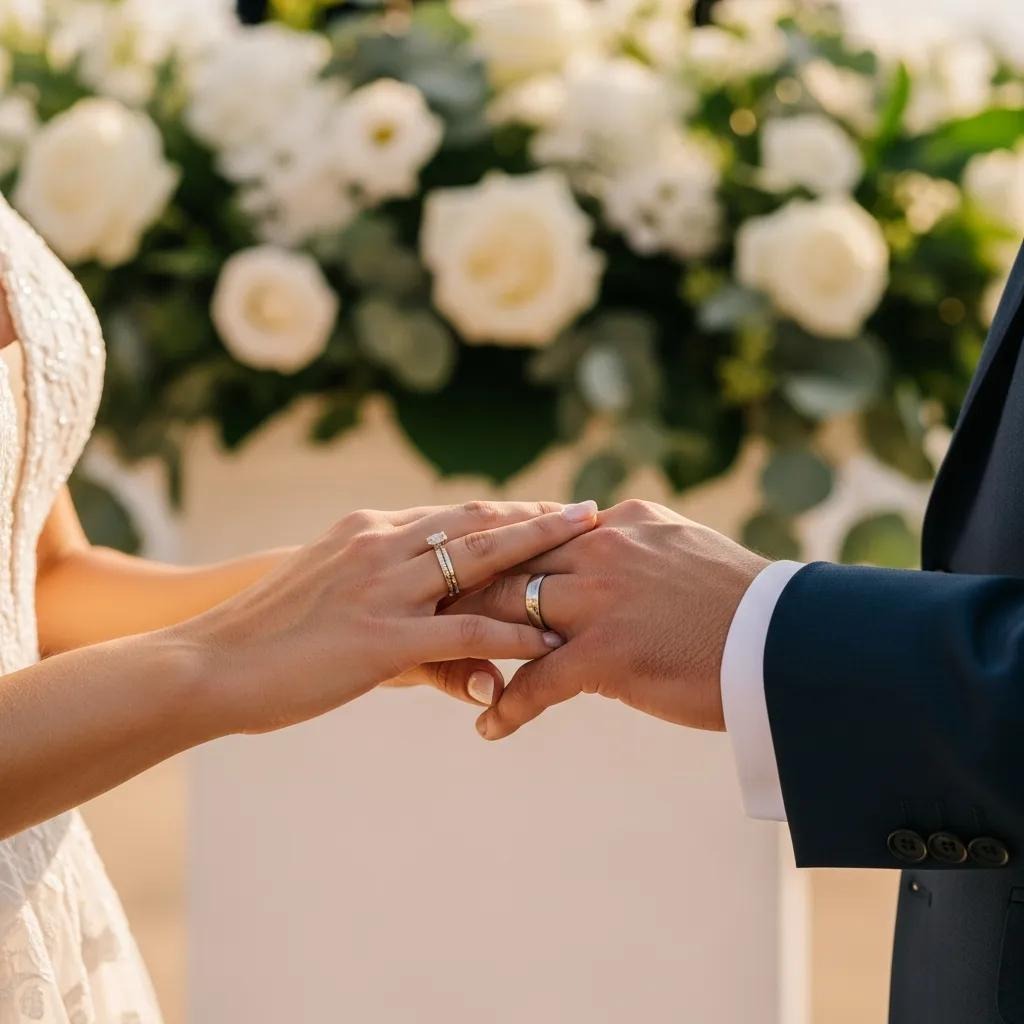
Christian wedding benedictions typically reference God, Christ, or the Trinity and often include scripture or pastoral language that asks for guidance and blessing. Examples range from formal three-part blessings to brief invocations that name the couple and request God’s presence in their home. A common formal structure names God’s favor, prays for guidance and unity, and closes with an “amen” or apostolic blessing. When delivering Christian benedictions, speakers should consider denominational phrasing and whether guests will benefit from a brief explanation or scripture citation.
How Do Short Wedding Closing Blessings Offer Impactful Prayers?
Short wedding closing blessings offer impact by focusing on one or two clear petitions and a simple transition phrase, making them ideal for receptions where energy and timing matter. A short blessing might name the couple, ask for continued love and joy, and end with, “Amen — you may now celebrate.” This format respects the spiritual intent while maintaining momentum for dinner or dancing. For brief delivery, speakers should practice pacing, enunciate key phrases, and use a gentle pause before the transition to encourage communal affirmation.
What Are Non-Denominational Closing Prayers for Diverse Audiences?
Non-denominational closing prayers use universal language—love, peace, wisdom, and community—so guests from multiple faith backgrounds can feel included and meaningful in their participation. These prayers avoid specific doctrinal claims and instead invite shared hopes for the couple’s life together, such as kindness in conflict or generosity in hardship. When addressing a mixed audience, speakers can invite a moment of silent blessing before a spoken benediction to include private faith practices. Clear, inclusive phrasing helps preserve the sacredness of the prayer while honoring diversity.
How Can You Personalize a Closing Prayer for Your Wedding Reception?

Personalizing a closing prayer means weaving the couple’s story, values, heritage, and specific hopes into short, memorable lines that guests recognize as uniquely theirs. Start by collecting personal elements—shared milestones, core commitments, family acknowledgements—and then map them to prayer themes like unity, provision, or legacy. Personalization makes the prayer feel authentic and fosters deeper communal investment in the couple’s future. Below is a table showing how to convert personal details into prayer language.
Personalization options explained before the table:
| Personal Element | Personalization Option | Example Wording |
|---|---|---|
| Shared Story | Reference a milestone | “Bless their years of laughter since that first rainy-day picnic.” |
| Values & Commitments | Turn values into petitions | “Grant them patience and courage to keep choosing one another each day.” |
| Family Acknowledgement | Mention family support | “May their families give counsel and celebrate with generosity.” |
| Cultural Heritage | Include a cultural blessing line | “Honor the traditions that shaped their faith and hospitality.” |
This table helps transform raw personal details into prayer lines that feel specific and meaningful. Selecting two to three such lines creates a concise, personalized benediction that resonates without overwhelming the reception program.
What Tips Help Craft a Personalized Wedding Prayer?
Begin with a five-step mini-process: gather personal details, choose one central theme, select a supporting scripture or phrase, draft short lines that use the couple’s names or milestones, and rehearse aloud for flow and timing. Keeping the language concise and heartfelt ensures guests remain engaged and the prayer fits reception pacing. When adding humor or heritage elements, balance specificity with clarity so unfamiliar guests still follow the sentiment. Rehearsal also reveals awkward phrases and helps adjust tone to be reverent, warm, or conversational depending on the event.
How Does FaithTime’s AI Bible Chat Assist in Creating Custom Prayers?
Faithtime.ai’s AI Bible Chat can assist by suggesting scripture passages, offering tone variations, and proposing concise wording based on prompts about the couple’s story and desired length. A practical workflow begins with a short prompt—names, themes, audience tone, and preferred scripture—and the AI returns several draft lines or a complete benediction that you can refine. For example, asking for a 30-second, non-denominational prayer referencing unity and family will produce a few options that differ in formality and scriptural emphasis. Use the AI output as a starting point, then personalize phrases to match the couple’s voice and rehearsal feedback.
What Bible Verses Are Best for Wedding Reception Prayers and Blessings?
Choosing scripture for a reception benediction means selecting verses that reflect love, patience, unity, and wisdom without requiring extended exposition during the reception program. Verses that emphasize covenantal love or mutual care work well when quoted briefly or paraphrased into a one-line blessing. Below is a table mapping key verses to themes and ready-to-use text snippets for inclusion in a closing prayer.
Scripture mapped to practical prayer lines:
| Scripture Reference | Theme | Suggested Line for Closing Prayer |
|---|---|---|
| 1 Corinthians 13:4–7 | Love and patience | “May your love be patient, kind, and keep no record of wrongs.” |
| Ecclesiastes 4:9–12 | Partnership and support | “May you be stronger together, a threefold cord not easily broken.” |
| Colossians 3:14 | Unity and peace | “Clothe yourselves in love, which binds everything in perfect harmony.” |
| Proverbs 3:5–6 | Guidance and trust | “May you trust the path ahead and find wise counsel along the way.” |
This mapping gives officiants and speakers short, scripturally rooted phrases that can be quoted or paraphrased to fit tone and length. Quoting a verse with a short follow-up blessing keeps scripture accessible for all guests.
Which Scriptures Emphasize Love, Patience, and Unity in Marriage?
Certain passages are frequently chosen because they directly portray qualities essential for marriage: love that endures, patience through trials, and unity in purpose. Verses like 1 Corinthians 13 highlight relational virtues, Ecclesiastes 4 underscores mutual support, and Proverbs offers practical wisdom for daily life. These selections work when used as brief citations or paraphrases to avoid interrupting reception flow. When selecting scripture, consider the couple’s faith background and whether a literal quotation or gentle paraphrase better serves the audience.
How Can Scripture Be Incorporated into Closing Prayers?
Scripture can be incorporated by direct quotation, a concise paraphrase that captures the verse’s heart, or by echoing a verse’s theme without naming the book and chapter for a gentler touch. Direct quotes lend authority and familiarity for guests who know the passage, while paraphrases make scripture accessible to those less familiar. When reading aloud, speakers should cite book and verse only when it adds clarity; otherwise, a short reference or refrain is sufficient. Respectful citation practices and rehearsal ensure the scripture fits naturally into the benediction.
How Should an Officiant Deliver the Closing Prayer at a Wedding Reception?
An officiant should deliver the closing prayer with clear projection, steady pacing, and a tone that matches the reception’s formality—reverent for traditional gatherings, warm and conversational for casual celebrations. Timing matters: place the benediction near the end of formal remarks or right before a planned program transition such as the first dance or dinner service. Body language should be open and centered, with a brief pause before the transition so guests can respond. The sample lines below and delivery tips help officiants lead with confidence and sensitivity.
What Are Effective Officiant Closing Remarks and Benedictions?
Effective officiant remarks begin by connecting to ceremony themes, name the couple, and offer a brief blessing that concludes with a clear transition phrase. Examples include a formal benediction that invokes God’s blessing or a conversational remark that thanks guests and invites celebration. Speakers should invite a communal affirmation—an “amen” or respectful applause—only when appropriate for the audience. Practicing tone and volume ensures the benediction feels natural and serves as a graceful handoff to the next program element.
How Does the Closing Prayer Transition the Reception to Celebration?
The closing prayer functions as a bridge, signaling the end of formal proceedings and cueing the next activity—dinner, first dance, or open celebration—so guests understand what follows without awkward pauses. Effective transitions use brief phrasing such as, “And now, with joy, you may celebrate,” or “Let us now enjoy the meal and continue this celebration.” These phrases preserve the momentum of the event and honor the prayer’s sacred moment while inviting a change in atmosphere. Clear transitions also help vendors and planners keep the timeline on track.
Where Can You Find and Share Wedding Reception Closing Prayers?
There are many resources for locating and sharing closing prayers, including curated collections, community-contributed examples, and interactive tools that help you draft and save benedictions for use at the reception. Online repositories and community forums offer sample prayers organized by length and tone, while apps and collaborative documents let teams edit and rehearse scripts together. Below is a brief list of practical places and methods for finding or storing prayers and a short EAV-style table showing how sharing options meet different needs.
Common places to find and share prayers:
- Community collections and curated prayer libraries online provide categorized samples for quick selection.
- Planning platforms and collaborative documents allow multiple users to edit or suggest prayer language.
- Mobile devotion and faith apps offer daily devotions, community prayer features, and AI-powered prompts to inspire or draft custom benedictions.
This mix of repositories and tools helps couples and planners locate examples quickly and adapt them to the couple’s story. Choosing a sharing method that fits the planning team’s workflow ensures the final prayer is rehearsed and ready for delivery.
| Resource Type | Feature | Best For |
|---|---|---|
| Community Collections | Categorized prayer examples | Rapid inspiration and conservative templates |
| Collaborative Documents | Shared editing and comments | Team revision and rehearsal |
| Interactive Tools | Prompt-based drafting and verse selection | Personalized draft generation and saving |
Decide whether you need quick examples, collaborative editing, or interactive drafting; each resource type supports a different stage of the prayer-creation process and can be combined as needed.
How Does the FaithTime Community Support Sharing Wedding Prayers?
Faithtime.ai positions itself as a mobile devotional companion that supports daily prayer habits and community engagement, and its app features include daily devotions, community prayer sharing, and an AI-powered Bible Chat designed to suggest scripture and phrasing. Within a community feature, users can share prayer drafts, receive encouragement, and adapt community-submitted samples for personal use. Using community feedback helps refine tone and identify language that communicates well across diverse guests. For couples seeking a compact toolset that combines devotionals, community input, and AI-assisted scripture suggestions, this kind of platform can store and recall prayer drafts for rehearsal and delivery.
What Interactive Tools Help Build Custom Wedding Prayers?
Interactive tools range from fill-in templates and verse pickers to prompt-based AI assistants that recommend tone, length, and scripture passages tailored to your prompts. A typical workflow might start with a template that captures the couple’s names and key themes, move to a verse picker to select supporting scripture, and finish with an AI tool that polishes phrasing for brevity and cadence. These tools make it easy to export a final script to a shared document or app for rehearsal with speakers and family. When time is limited, relying on a prompt-driven process speeds creation and ensures the prayer aligns with both personal detail and reception logistics.
For couples who want to continue building a prayer life together after the wedding, consider using a devotional app that supports daily devotions and community prayer sharing as a next step. Faithtime.ai offers resources intended to help users grow faith through short prayers and scripture selections, and its community features and AI Bible Chat can help couples save and refine marriage-centered prayers for ongoing use.
After the reception ends, you can keep growing in faith and love together with simple tools from the FaithTime app that help you build shared prayer habits as a couple. If you’d like to keep using those tools in everyday life, you can download FaithTime app and let its reminders, shared devotions, and prayer journal quietly support your marriage long after the wedding day. For more guidance that fits wedding blessings and married life, explore the prayer collection and curated Bible verses by topic where you can find Scriptures on love, commitment, and hope for your future together. You can also go deeper with devotions for couples and thoughtful anniversary Bible verses so that your closing wedding benediction becomes the first step in a lifelong rhythm of praying over your marriage.